
Mammal · GBIF taxon 11365532
Elephas trogontherii
Elephas trogontheriiAlso known as Steppe Mammoth
Steppe mammoths dominated the vast Eurasian grasslands during the Middle Pleistocene, sporting massive spiral tusks that could exceed four meters in length. Their tall shoulder humps anchored powerful neck muscles and stored metabolic fat reserves necessary for surviving harsh continental winters. With tightly packed enamel ridges on their high-crowned molars, they efficiently ground down the coarse, abrasive steppe grasses that flourished across periglacial landscapes.
PrehistoricHerbivore
—observations
—countries
—peak records
ExtinctConservation statusIUCN Red List categoriesLCNTVUENCREWEXExtinctRed List categories, explained →
Diet & prey
- Steppe Grasses
- Sedges
- Shrub Foliage
Predators
- Heidelberg Human
- Cave Lion
- Homotherium
ThreatsClimatic fluctuations, steppe habitat transitions, hominin hunting
HabitatsOpen steppe, temperate grassland, boreal forest edge
Life span60–70 years
Classification
- FamilyElephantidae
- SpeciesElephas trogontherii
Range data is not available yet.
Interaction riskHigh
- Low
- Moderate
- High
- Very high
- Why interaction risk is high
- Extinct prehistoric mammal known solely from fossil remains.
Responsible observation
- Museum Exhibits: Observe complete mounted skeletons in European and Asian natural history collections.
- Fossil Sites: Watch for enormous fossilized molar plates exposed in Pleistocene river gravels and quarries.
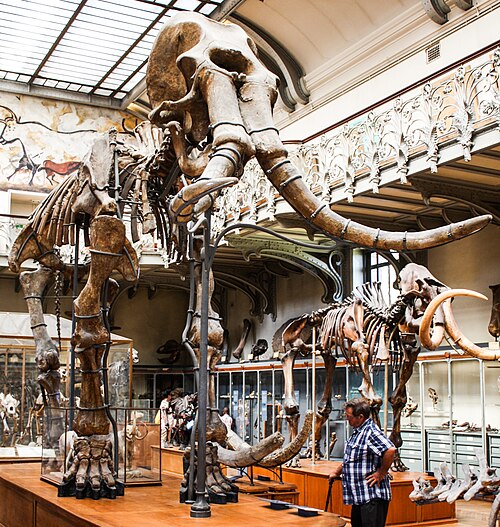
Ancestor Shadowgate from Novara, ITALY / CC BY 2.0 · cc-by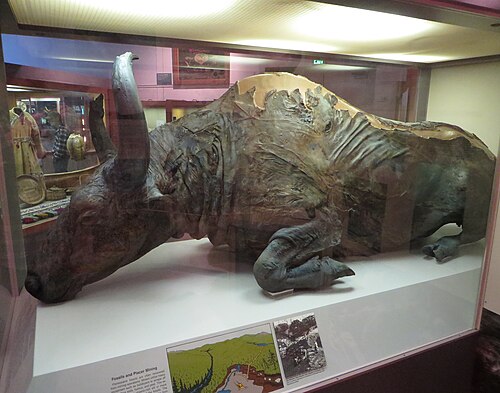
Frequent Companion Bernt Rostad from Oslo, Norway / CC BY 2.0 · cc-by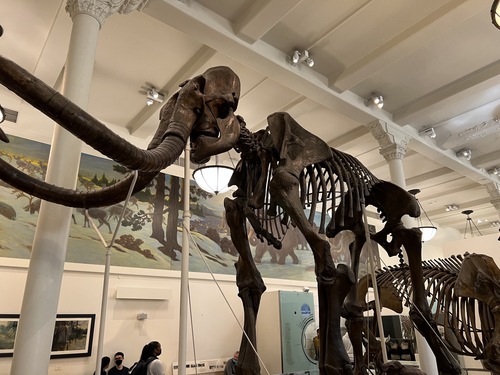
Close Relative no rights reserved, uploaded by mionectes · cc0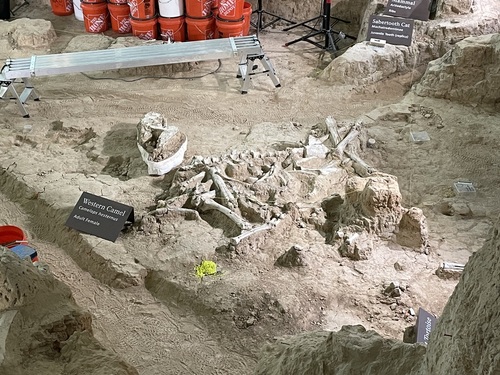
Close Relative (c) lejones417, some rights reserved (CC BY-SA) · cc-by-sa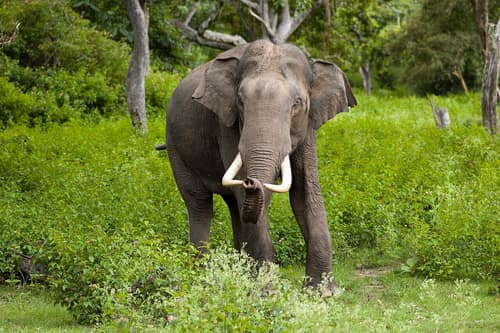
Family Relative Yathin S Krishnappa / CC BY-SA 3.0 · cc-by-sa
Help improve the field guideSomething wrong?
Checking your Fauna account…Report a name, category, or profile issue for review.