
Reptile
Diictodon
Dicynodon felicepsDiictodon was an abundant burrowing therapsid of the Late Permian, digging spiral burrows up to one and a half meters deep in semi-arid floodplains. Both sexes possessed a horny, turtle-like beak for clipping tough fibrous plants, though only males bore prominent tusk-like canine teeth thought to be used in social displays or territorial skirmishes. Pairs of skeletons discovered curled together inside fossilized burrows suggest that these small animals may have lived in monogamous pairs or shared shelters during harsh droughts.
FossilBurrowingHerbivore
—observations
—countries
—peak records
ExtinctConservation statusIUCN Red List categoriesLCNTVUENCREWEXExtinctRed List categories, explained →
Diet & preyGlossopteris foliage, Fern roots, Underground tubers
Predators
- Lycaenops
- Gorgonops
- Euchambersia
ThreatsPermian-Triassic extinction event and predatory synapsids
HabitatsSemi-arid floodplains, river basins, and dry scrublands
Life spanApproximately 8–15 years
Classification
- FamilyDiictodontidae
- SpeciesDicynodon feliceps
Range data is not available yet.
Interaction riskLow
- Low
- Moderate
- High
- Very high
- Why interaction risk is low
- Extinct fossil species; entirely safe to handle and examine as fossil material.
Responsible observation
- Fossil Examination: Look for diagnostic pair of small downward-pointing tusks on male skull specimens.
- Field Observation: Trace helical tunnel casts (Daimonelix-like spirals) in Karoo Basin mudstone exposures.
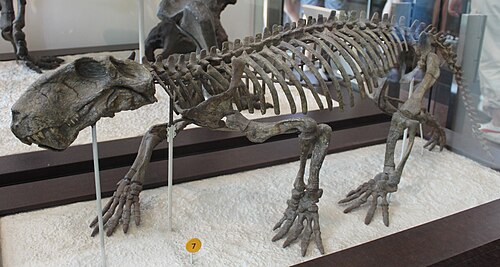
Predator Jonathan Chen / CC BY-SA 4.0 · cc-by-sa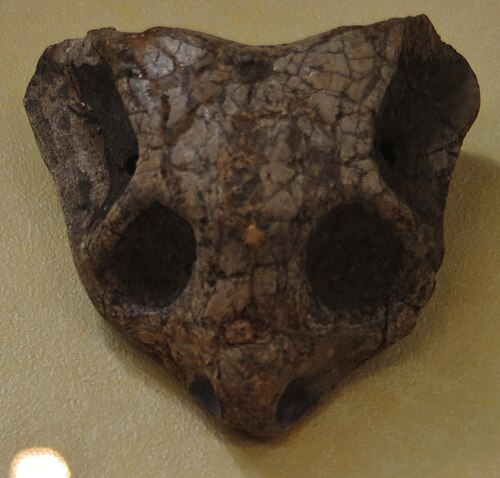
Look-alike Ghedoghedo / CC BY-SA 4.0 · cc-by-sa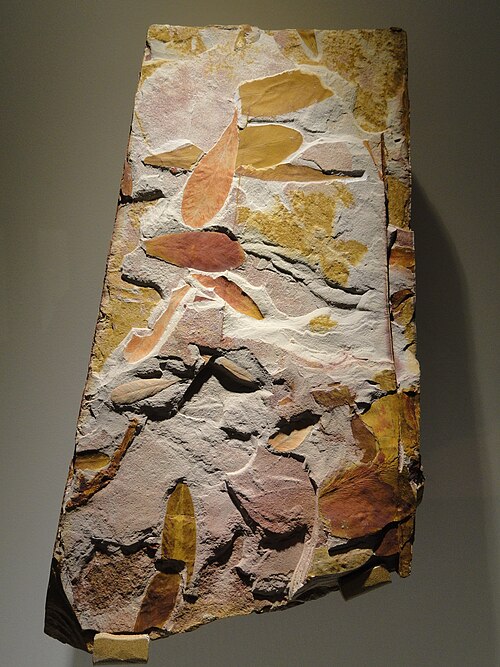
Food Source Daderot / CC0 · cc0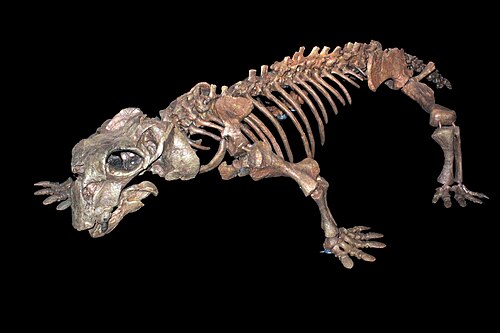
Close Relative Rama / CC BY-SA 2.0 fr · cc-by-sa
Help improve the field guideSomething wrong?
Checking your Fauna account…Report a name, category, or profile issue for review.