
Species
Cistecephalus microrhinus
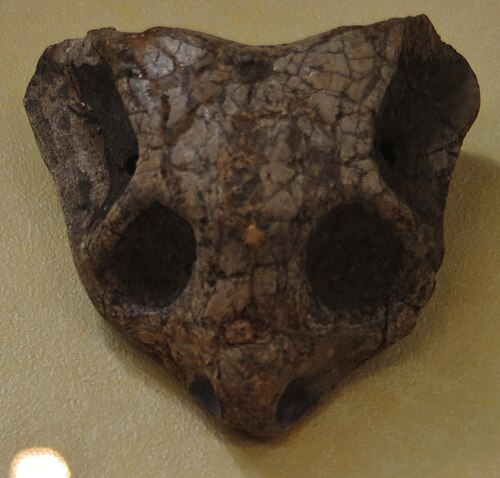
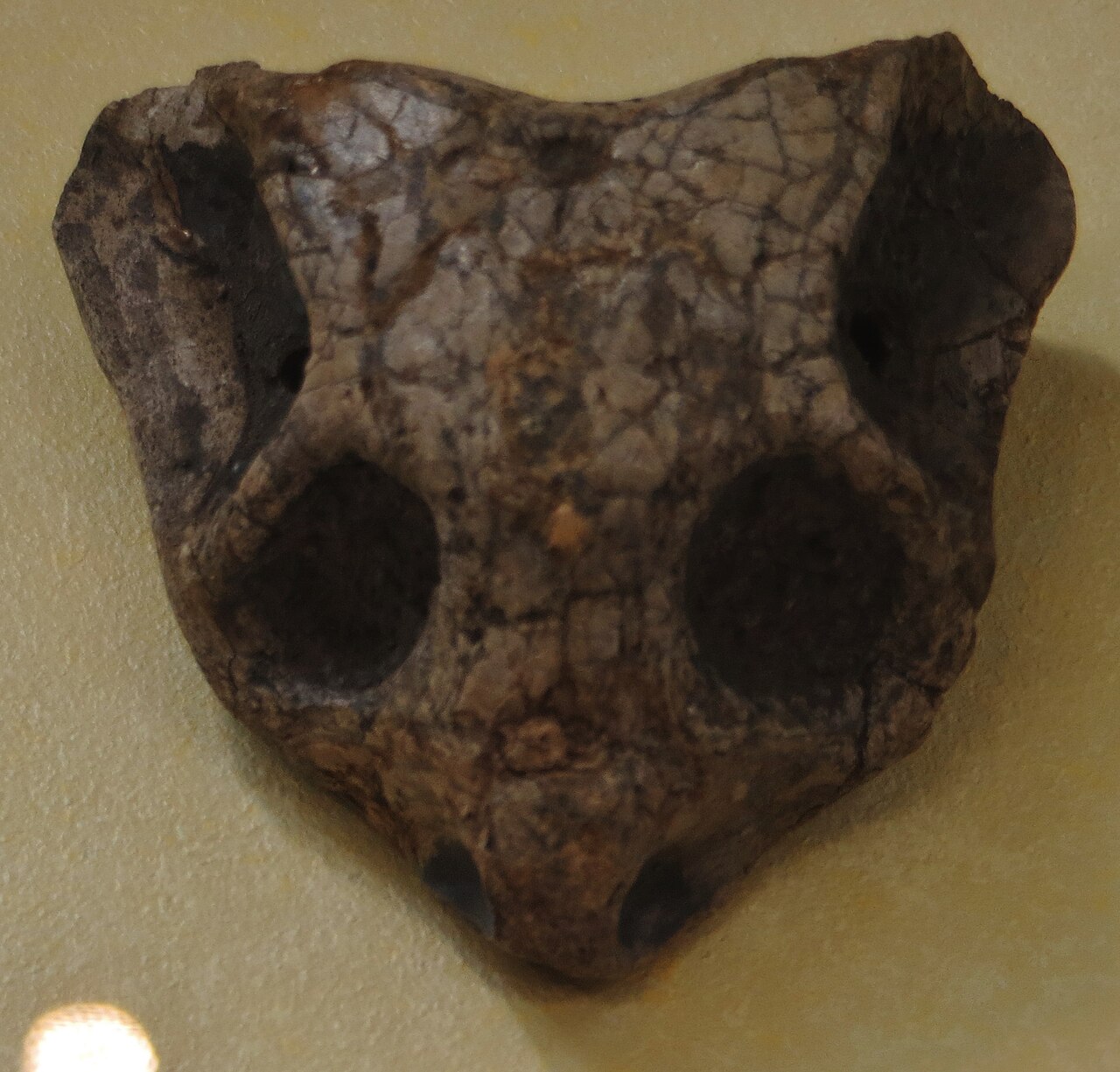
Cistecephalus microrhinusCistecephalus microrhinus navigated the subterranean soils of the Late Permian Karoo Basin using exceptionally powerful forelimbs and a reinforced, wedge-shaped skull. Its forward-facing orbits granted stereoscopic vision underground, while a shortened neck and broad shoulders anchored massive digging musculature. These compact therapsids represent one of the earliest vertebrate lineages to adopt a dedicated, mole-like burrowing lifestyle.
FossorialPrehistoric
—observations
—countries
—peak records
ExtinctConservation statusIUCN Red List categoriesLCNTVUENCREWEXExtinctRed List categories, explained →
Diet & preyPlant tubers, Roots and rhizomes, Soil invertebrates
Predators
- Gorgonopsians
- Therocephalians
ThreatsClimatic changes leading to the Permian-Triassic extinction event
HabitatsPermian floodplains and riparian river basins
Life spanUnknown (estimated 5–15 years)
Classification
- FamilyCistecephalidae
- SpeciesCistecephalus microrhinus
Range data is not available yet.
Interaction riskLow
- Low
- Moderate
- High
- Very high
- Why interaction risk is low
- Extinct species; known exclusively through Late Permian fossil remains.
Responsible observation
- Fossil observation: Inspect Karoo mudstone concretions for distinctive boxy skulls with forward-directed orbits.
- Museum study: Examine skeletal casts to trace the expanded forelimb bones adapted for powerful soil excavation.
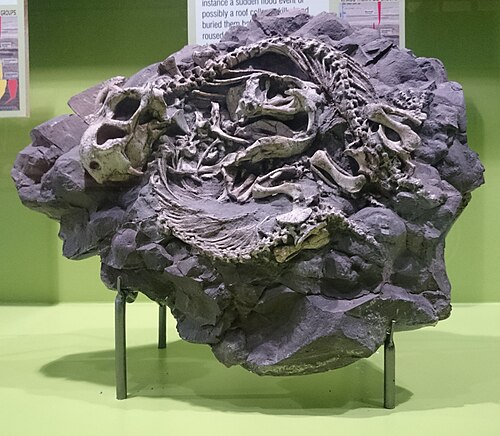
Burrowing Neighbor Nkansahrexford / CC BY 3.0 · cc-by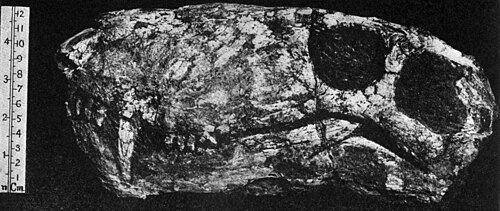
Predator Robert Broom / Public domain · cc0 Image unavailable
Close Relative Distant Relative
Help improve the field guideSomething wrong?
Checking your Fauna account…Report a name, category, or profile issue for review.