
Mammal · GBIF taxon 2433900
African Clawless Otter
Aonyx capensisAlso known as Cape Clawless Otter, Groot Otter
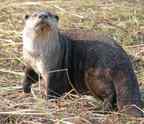
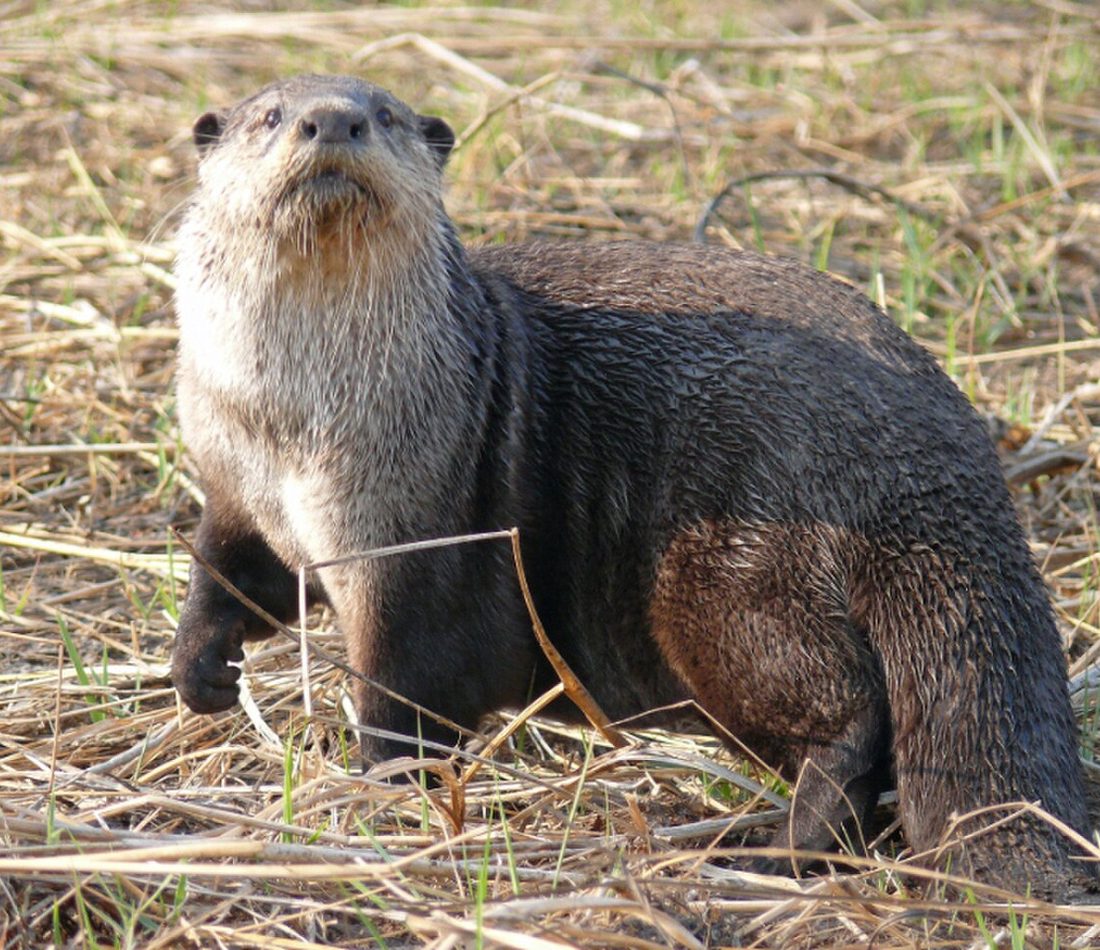
African clawless otters thrive in permanent freshwater systems and coastal zones across sub-Saharan Africa, using highly sensitive, dexterous front paws to feel for prey beneath river rocks and mud. Unlike most aquatic carnivores, their front feet lack claws and webbed skin, granting human-like tactile dexterity when hunting crabs and frogs in murky water. Pairs and small family groups mark extensive watercourses with spraints, communicating across territories with a distinct repertoire of high-pitched whistles, grunts, and chirps.
Semi-AquaticTactile HunterAfrican Wildlife
—observations
—countries
—peak records
Near ThreatenedConservation statusIUCN Red List categoriesLCNTVUENCREWEXNear ThreatenedRed List categories, explained →
Diet & prey
- Freshwater Crabs
- Frogs
- Fish
Predators
- Nile Crocodile
- Leopard
- African Fish Eagle
ThreatsWetland degradation, water pollution, entanglement in fishing nets
HabitatsRivers, lakes, swamps, coastal estuaries
Life span10–14 years
Size / weightNot available
Classification
- FamilyMustelidae
- SpeciesAonyx capensis
Native
Interaction riskLow
- Low
- Moderate
- High
- Very high
- Why interaction risk is low
- Powerful crushing jaws can inflict deep bite wounds if cornered; keep a safe distance along shorelines.
- Why it is dangerous
- Possesses powerful jaw muscles and specialized molars designed to crush thick crab carapaces, capable of inflicting severe wounds.
- How to recognize a risky encounter
- Look for a large, heavy-set body with silver-white throat patches and agile, clawless front paws.
- What to do
- Never approach cornered or injured individuals; maintain distance along water margins and contact wildlife rehabilitators if needed.
- What to notice
- Recognizable by its robust size, cream-colored throat, and unwebbed front fingers probing shallow water.
- Support conservation
- Observe from elevated riverbanks using binoculars and avoid trampling riparian vegetation near holts.
Responsible observation
- Patience at Dawn: Watch quiet riverbanks and estuaries early in the morning when otters actively forage for crabs.
- Look for Spraints: Identify active territories by locating latrine sites filled with crushed crab shells along rocks.
- Maintain Distance: Keep back from shoreline holts to avoid disturbing resting family groups during daylight hours.
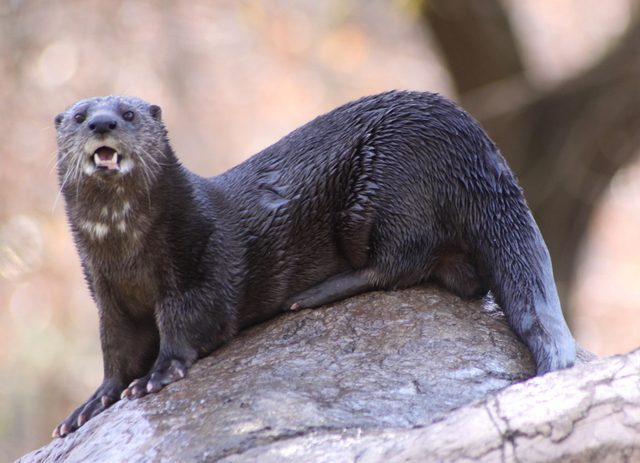
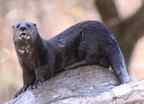
Co-occurring Species (c) Derek Keats, some rights reserved (CC BY) · cc-by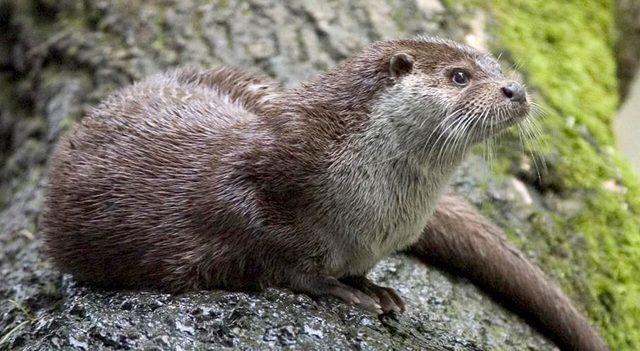
Ecological Counterpart Bernard Landgraf / CC BY-SA 3.0 · cc-by-sa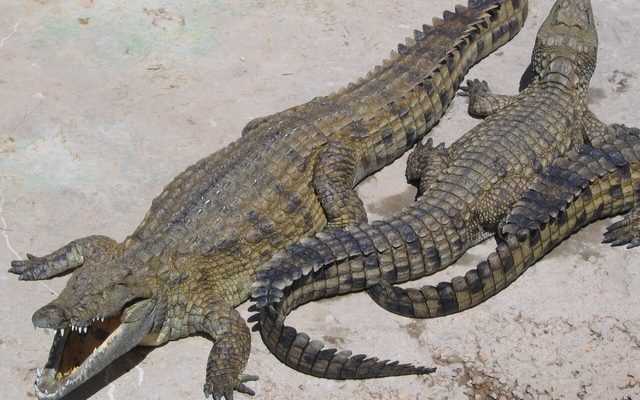
Predator Dewet / CC BY-SA 2.0 · cc-by-sa
Help improve the field guideSomething wrong?
Checking your Fauna account…Report a name, category, or profile issue for review.