
Plant · GBIF taxon 3172490
Cape Honeysuckle
Tecomaria capensisAlso known as Cape Trumpetflower
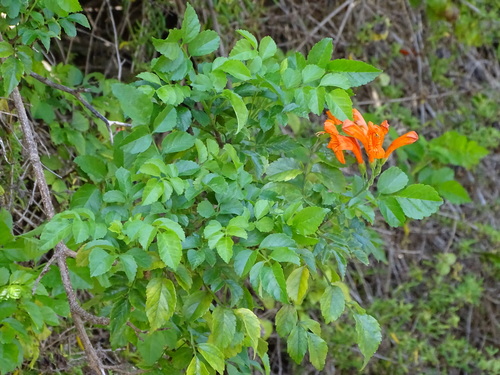
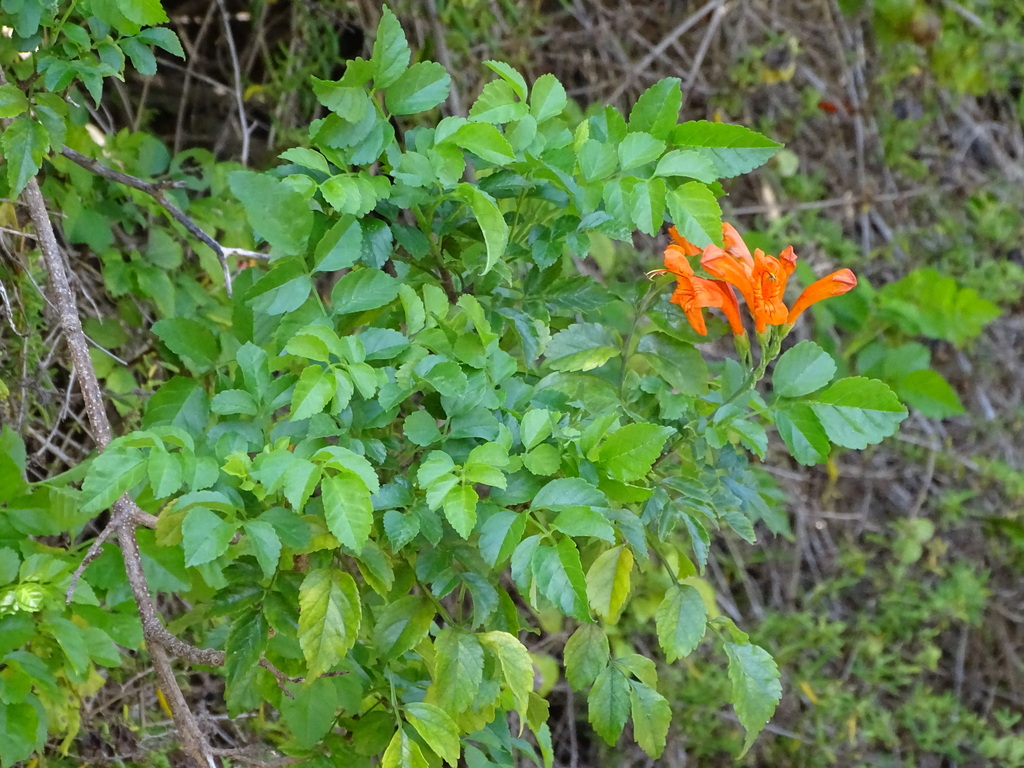
Cape honeysuckle forms a scrambling evergreen shrub with glossy green leaves and dense clusters of fiery tubular flowers. Native to southern Africa, it blooms heavily from autumn through spring, providing a rich nectar source when few other plants are in flower. Its nectar-laden blossoms attract sunbirds in its native habitat and hummingbirds in regions where it has been introduced.
EvergreenFloweringAttracts Pollinators
—observations
—countries
—peak records
Not EvaluatedConservation statusIUCN Red List categoriesLCNTVUENCREWEXNot Evaluated — not placed on the risk ladderRed List categories, explained →
Diet & prey
- Sunlight
- Water
- Soil Minerals
Predators
- Aphids
- Caterpillars
- Spider Mites
ThreatsHabitat transformation, localized severe frosts
HabitatsCoastal scrub, forest margins, rocky slopes, cultivated gardens
Life span20–50 years
Size / weightNot available
Classification
- FamilyBignoniaceae
- SpeciesTecomaria capensis
Range data is not available yet.
Interaction riskLow
- Low
- Moderate
- High
- Very high
- Why interaction risk is low
- Safe to observe at a normal distance.
Responsible observation
- Pruning: Cut back hard after flowering to maintain a tidy shrub form or encourage dense hedging.
- Pollinator Attractor: Plant in full sun to boost nectar yield and attract visiting birds.
- Frost Care: Protect young plants from heavy frost, which damages soft stems.
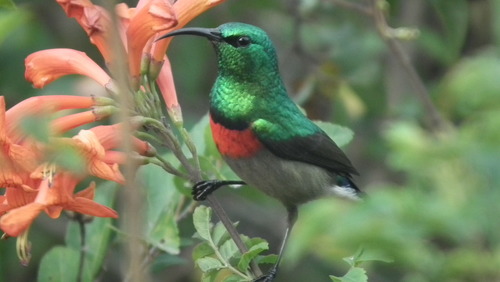
Pollinator (c) Shaun Swanepoel, some rights reserved (CC BY) · cc-by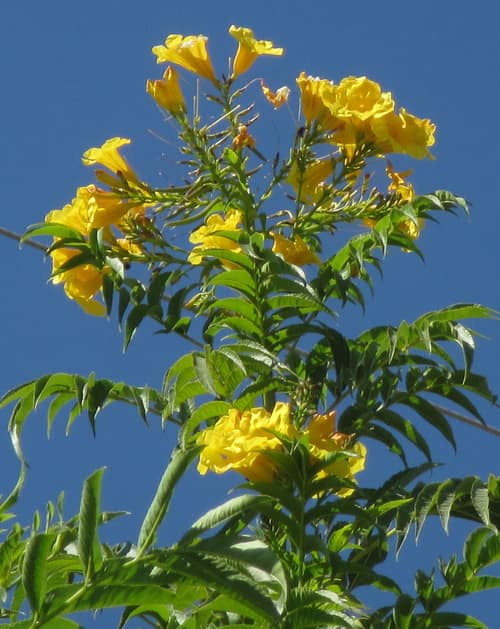
Close Relative (c) Robert Taylor, some rights reserved (CC BY), uploaded by Robert Taylor · cc-by Image unavailable
Family Member 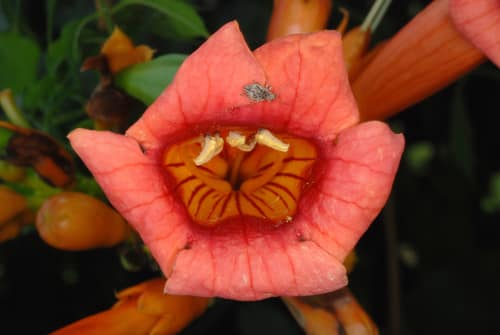
Family Member (c) Douglas Goldman, some rights reserved (CC BY-SA), uploaded by Douglas Goldman · cc-by-sa
Help improve the field guideSomething wrong?
Checking your Fauna account…Report a name, category, or profile issue for review.