
Plant · GBIF taxon 2932944
Chili Pepper
Capsicum annuumAlso known as Sweet Pepper, Bell Pepper, Jalapeño, Chiltepin
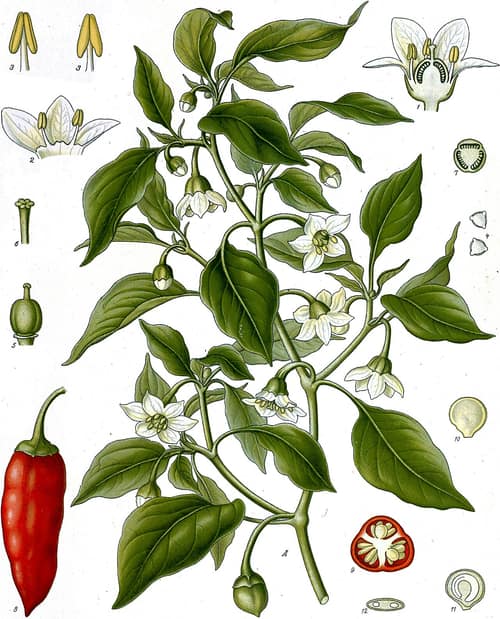
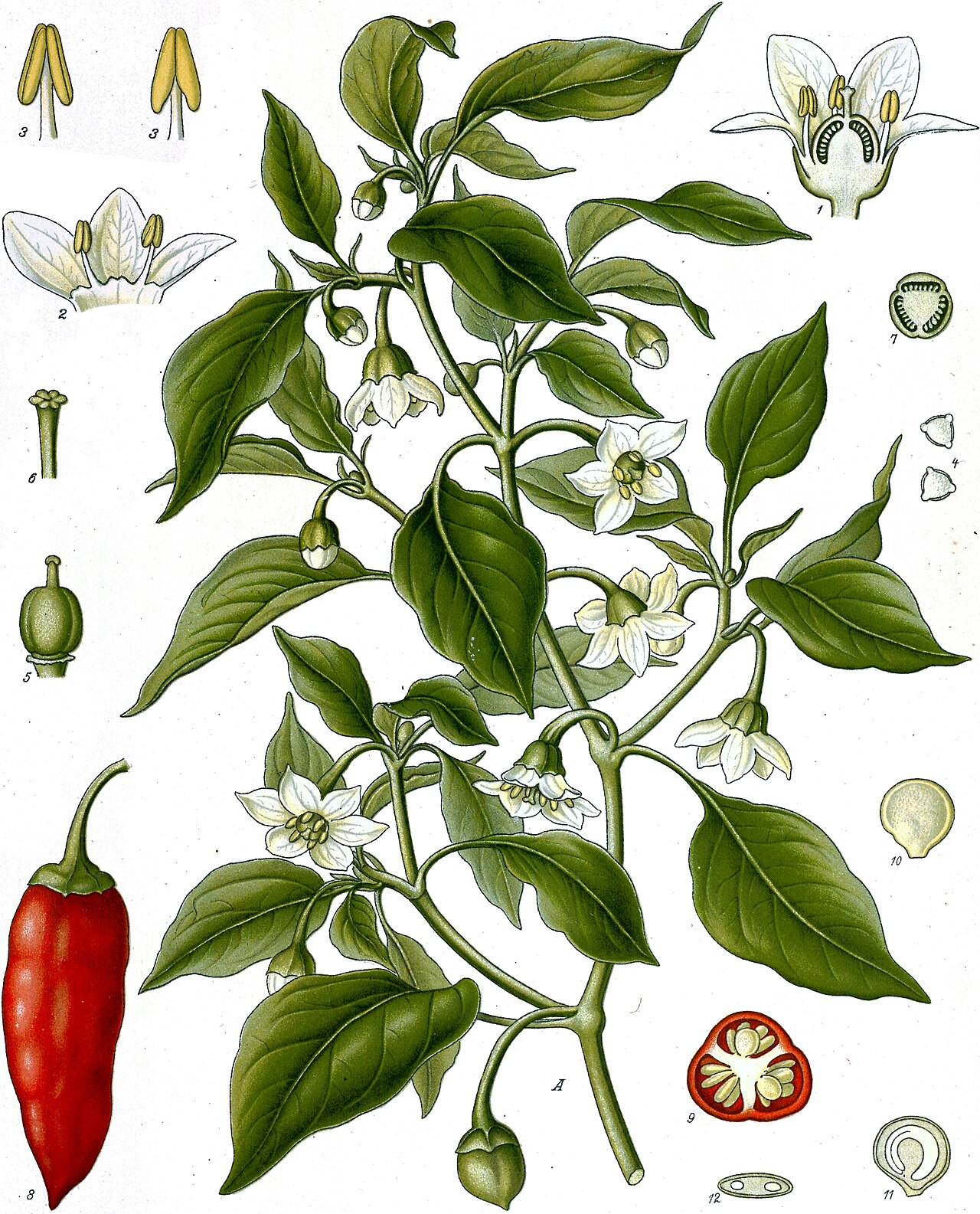
Native to the tropical Americas, these branching shrubs produce star-shaped white flowers followed by glossy, seed-packed berries. The plant produces capsaicin to deter seed-crushing mammals while relying on birds, who are insensitive to the chemical heat, to disperse its seeds far and wide. Selective breeding over thousands of years has generated a vast array of fruit shapes, sizes, and chemical intensity.
CultivatedFloweringNightshade
—observations
—countries
—peak records
Not EvaluatedConservation statusIUCN Red List categoriesLCNTVUENCREWEXNot Evaluated — not placed on the risk ladderRed List categories, explained →
Diet & prey
- Autotrophic (Photosynthetic)
Predators
- Spider mites
- Hornworms
- Aphids
ThreatsHabitat loss (wild populations), agricultural pests, viral pathogens
HabitatsTropical scrub, agricultural fields, gardens, dry forests
Life span1–5 years (perennial grown as annual in temperate zones)
Size / weightNot available
Classification
- OrderSolanales
- FamilySolanaceae
- GenusCapsicum
- SpeciesCapsicum annuum
Range data is not available yet.
Interaction riskHigh
- Low
- Moderate
- High
- Very high
- Why interaction risk is high
- Capsaicin can burn skin and eyes, and wild nightshade fruits have toxic look-alikes.
- Why it is dangerous
- Capsaicin binds to TRPV1 pain receptors, triggering intense burning sensations on skin and mucous membranes.
- How to recognize a risky encounter
- Produces glossy green, red, or yellow berries on upright shrubs with solitary five-lobed white flowers.
- What to do
- Wear disposable gloves when handling pods and wash hands thoroughly with soap before touching face or eyes.
Responsible observation
- Handling Pods: Wear gloves when picking or cutting hot varieties to avoid capsaicin transfer to eyes.
- Sunlight Needs: Provide full sunlight and well-draining soil for healthy growth and fruit set.
- Pollination Help: Gently tap flowering stems to encourage self-pollination in indoor settings.
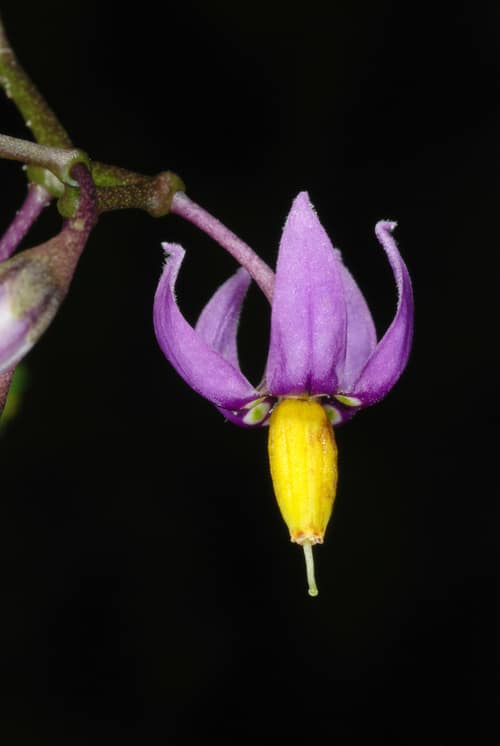
Toxic Look-alike (c) Douglas Goldman, some rights reserved (CC BY-SA), uploaded by Douglas Goldman · cc-by-sa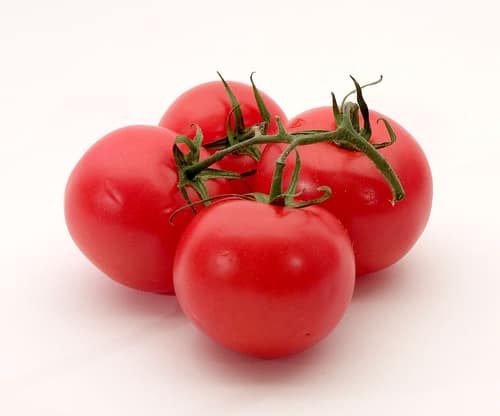
Nightshade Kin Softeis / CC BY-SA 3.0 · cc-by-sa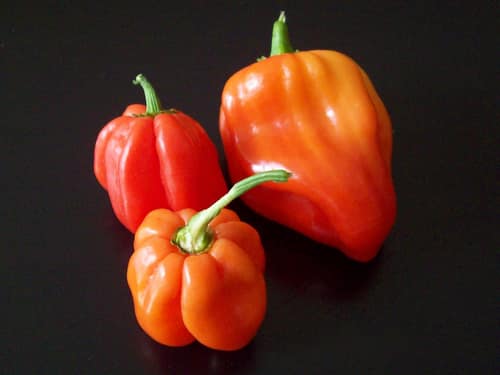
Close Relative (c) Eric Bronson, some rights reserved (CC BY) · cc-by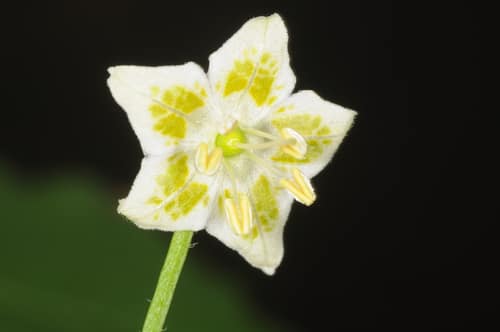
Close Relative (c) aacocucci, some rights reserved (CC BY), uploaded by aacocucci · cc-by
Help improve the field guideSomething wrong?
Checking your Fauna account…Report a name, category, or profile issue for review.