
Fungus · GBIF taxon 9819973
Birch Polypore
Fomitopsis betulinaAlso known as Birch Bracket, Razor Strop Fungus
Birch polypores emerge as rounded, kidney-shaped brackets from the trunks of weakened or dead birch trees across northern temperate forests. Their smooth, leathery upper surface fades from tan to pale greyish brown, while the underside consists of a dense layer of fine white pores. As both a weak parasite and a saprotroph, the fungus causes brown cubical rot that recycles decaying wood into nutrient-rich forest soil.
Bracket FungusWood-DecayTree-Dwelling
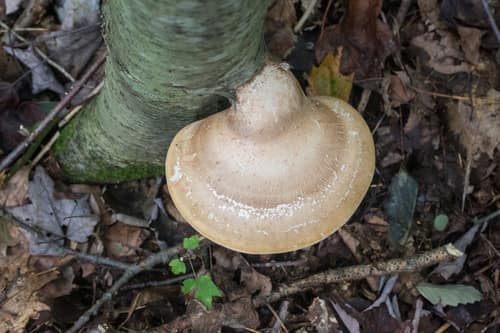
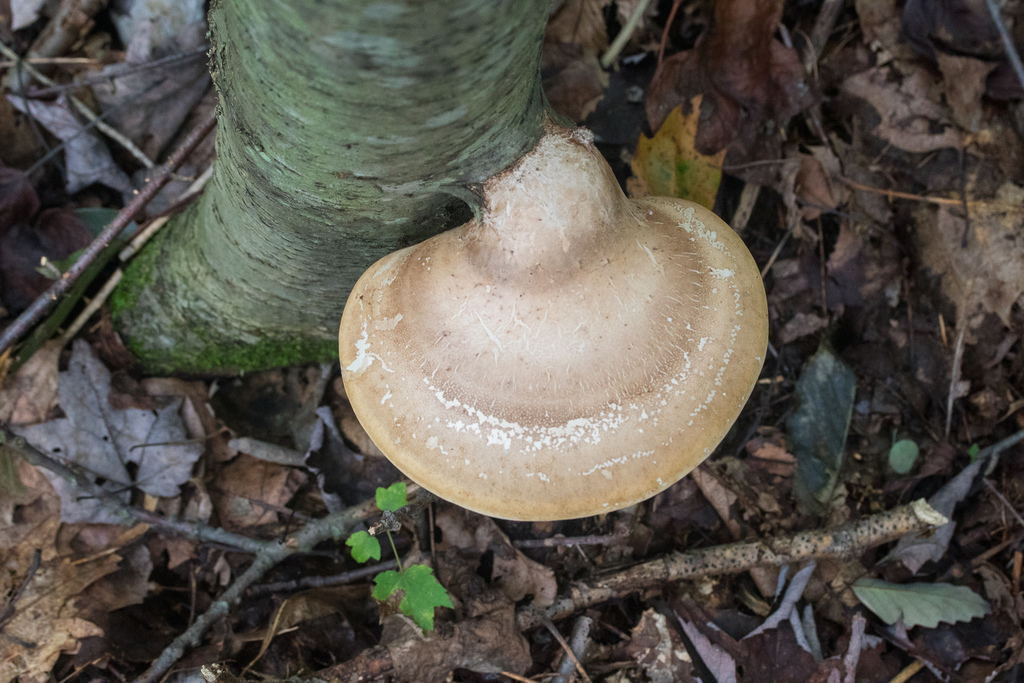 1 / 7
1 / 7—observations
—countries
—peak records
Not EvaluatedConservation statusIUCN Red List categoriesLCNTVUENCREWEXNot Evaluated — not placed on the risk ladderRed List categories, explained →
Diet & prey
- Birch Tree Wood
- Cellulose
- Lignin
Predators
- Fungus Beetles
- Fungus Gnats
- Red Squirrels
ThreatsClear-cutting of mature birch stands and forest management practices
HabitatsBirch forests, mixed woodlands, and boreal forest edges
Life spanFruit body lasts 1–2 years; mycelium persists for decades
Size / weightNot available
Classification
- OrderPolyporales
- FamilyFomitopsidaceae
- GenusFomitopsis
- SpeciesFomitopsis betulina
Range data is not available yet.
Interaction riskLow
- Low
- Moderate
- High
- Very high
- Why interaction risk is low
- Many edible mushrooms have toxic look-alikes; never eat wild fungi based on app identification alone.
Responsible observation
- Observation: Look for smooth, rubbery shelves emerging from birch trunks during late summer and autumn.
- Pore Examination: Feel the fine pore surface beneath fresh young brackets without damaging the tissue.
- Forest Protection: Leave attached brackets on the bark so spores continue dispersing through the woods.
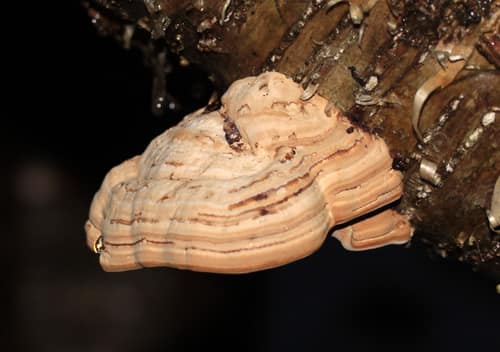
Ecological Competitor (c) Jamie Griffiths, some rights reserved (CC BY), uploaded by Jamie Griffiths · cc-by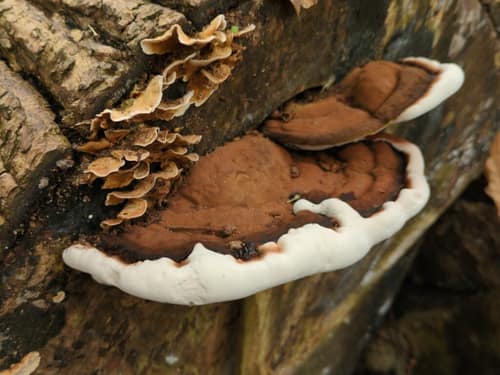
Co-Occurring Bracket no rights reserved · cc0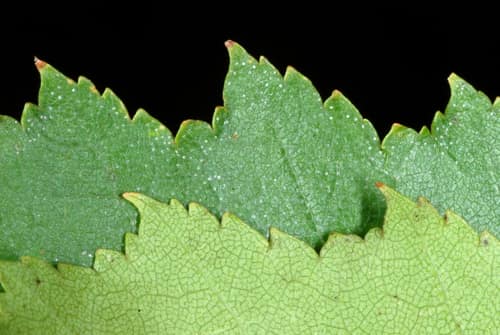
Host Tree (c) Douglas Goldman, some rights reserved (CC BY-SA), uploaded by Douglas Goldman · cc-by-sa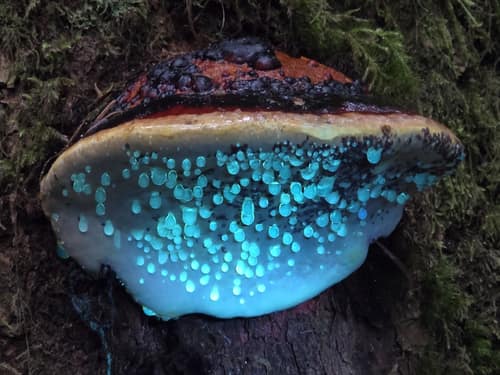
Close Relative (c) Alan Rockefeller, some rights reserved (CC BY) · cc-by
Keep collecting in Fauna
Found in Collections
Ecosystem chain Pro
Secret Garden
Birch Polypore is found in this collection. Identify it in Fauna to fill this slot and continue your progress.
Unlock to track progress
Help improve the field guideSomething wrong?
Checking your Fauna account…Report a name, category, or profile issue for review.