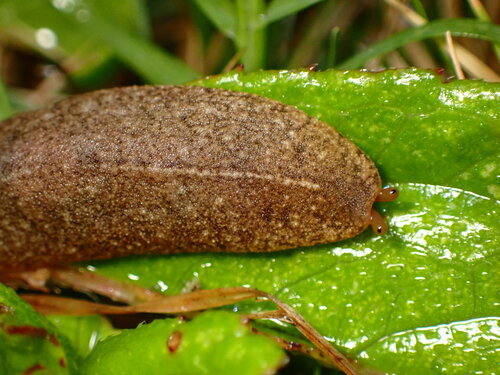
Also known as Black-velvet Leatherleaf Slug, Velvet Leatherleaf Slug
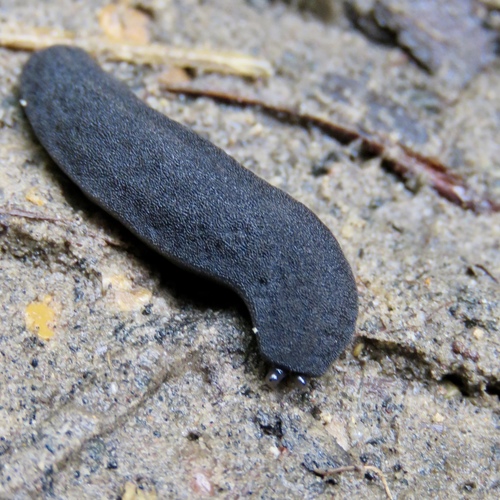
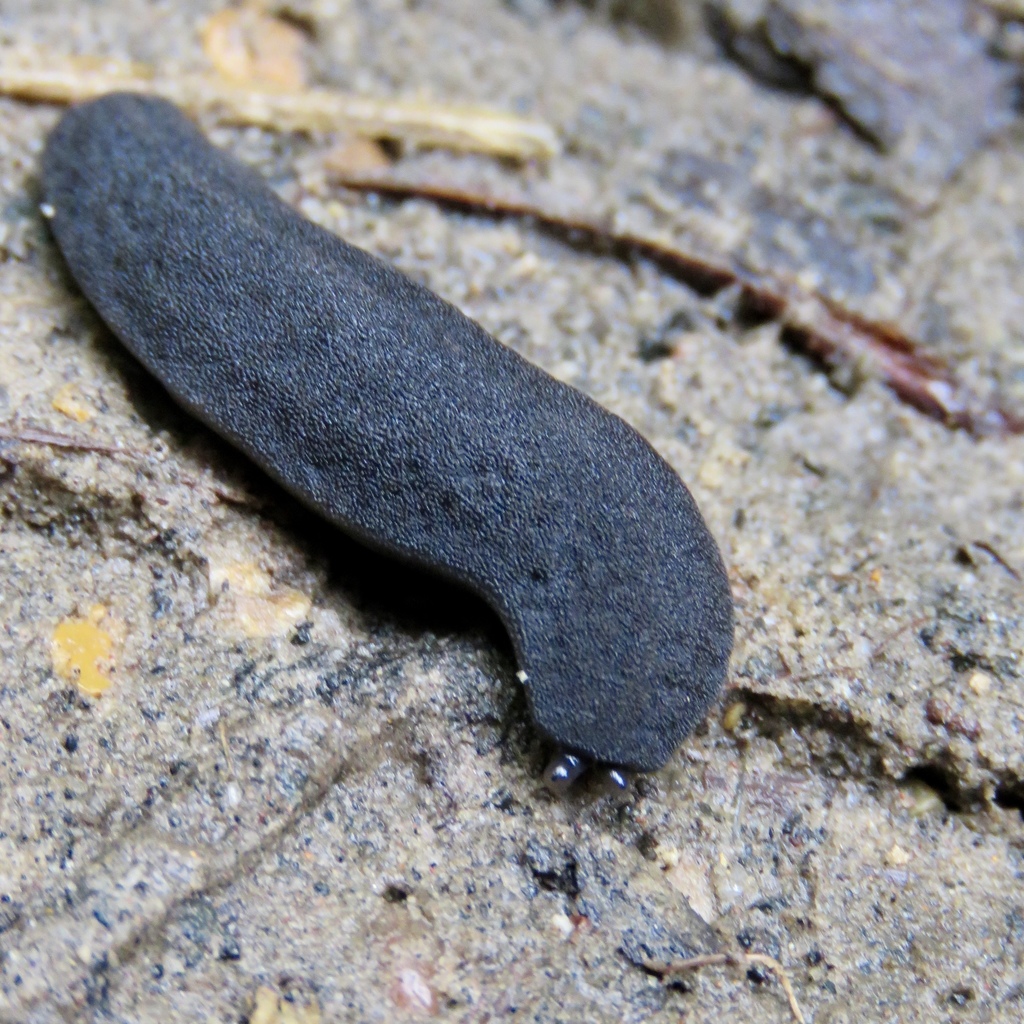
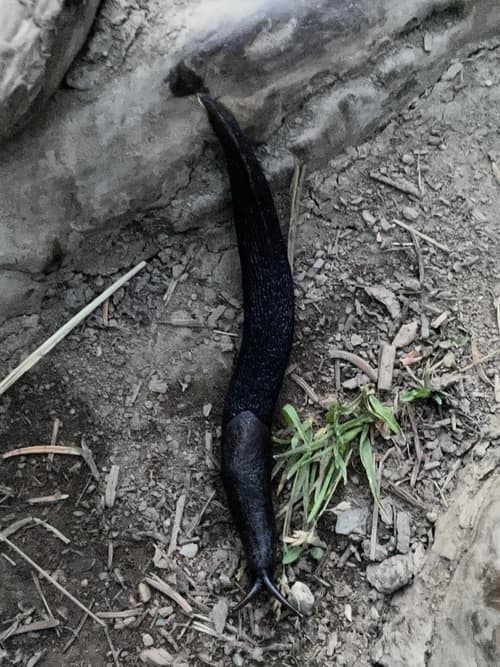
Black-velvet leatherleaf slugs are dark, shell-less terrestrial mollusks characterized by their plush, velvety dorsum and long, narrow body profile. Native to tropical South America, these adaptable invertebrates have spread to warm, humid regions worldwide where they hide under logs, leaf litter, and garden pottery during the day. At night, they emerge to feed on decaying organic matter and young plant tissue, playing a dual role as detritivores and garden pests.
May carry the rat lungworm parasite; wash hands thoroughly after gardening and avoid bare skin contact.
Why it is dangerous
Serves as an intermediate host for the rat lungworm parasite, Angiostrongylus cantonensis, which can cause severe neurological illness in humans and pets if accidentally ingested.
How to recognize a risky encounter
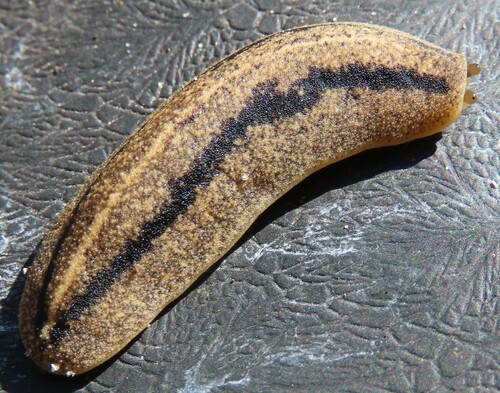
Look for a velvety black, elongated body without an external shell, often featuring a subtle, pale stripe down the back.
What to do
Never touch bare-handed; wear gloves or use tools to move specimens and wash all home-grown produce thoroughly before eating.
Responsible observation
Spotting: Search under damp flowerpots, wooden boards, and thick leaf litter during early morning hours.
Handling: Avoid direct skin contact to protect against potential parasites, using gloves if removal is necessary.
Garden care: Keep garden debris elevated off soil beds to reduce daytime hiding spots.