
Reptile · GBIF taxon 9807306
Steppe Viper
Vipera ursiniiAlso known as Meadow Viper, Orsini's Viper, Ursini's Viper, Meadow Adder
Steppe vipers are small, specialized vipers adapted to open grasslands and high altitude alpine meadows across Europe and Central Asia. Uncharacteristic for most vipers, adults feed heavily on crickets and grasshoppers alongside small lizards and rodents, using a mild venom to subdue prey. Habitat loss to intensive agriculture and grassland fragmentation has severely reduced their historic range, leaving isolated populations scattered in mountain basins and lowland steppes.
VenomousAlpineGrassland
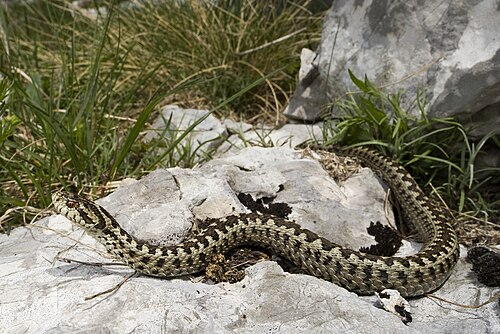
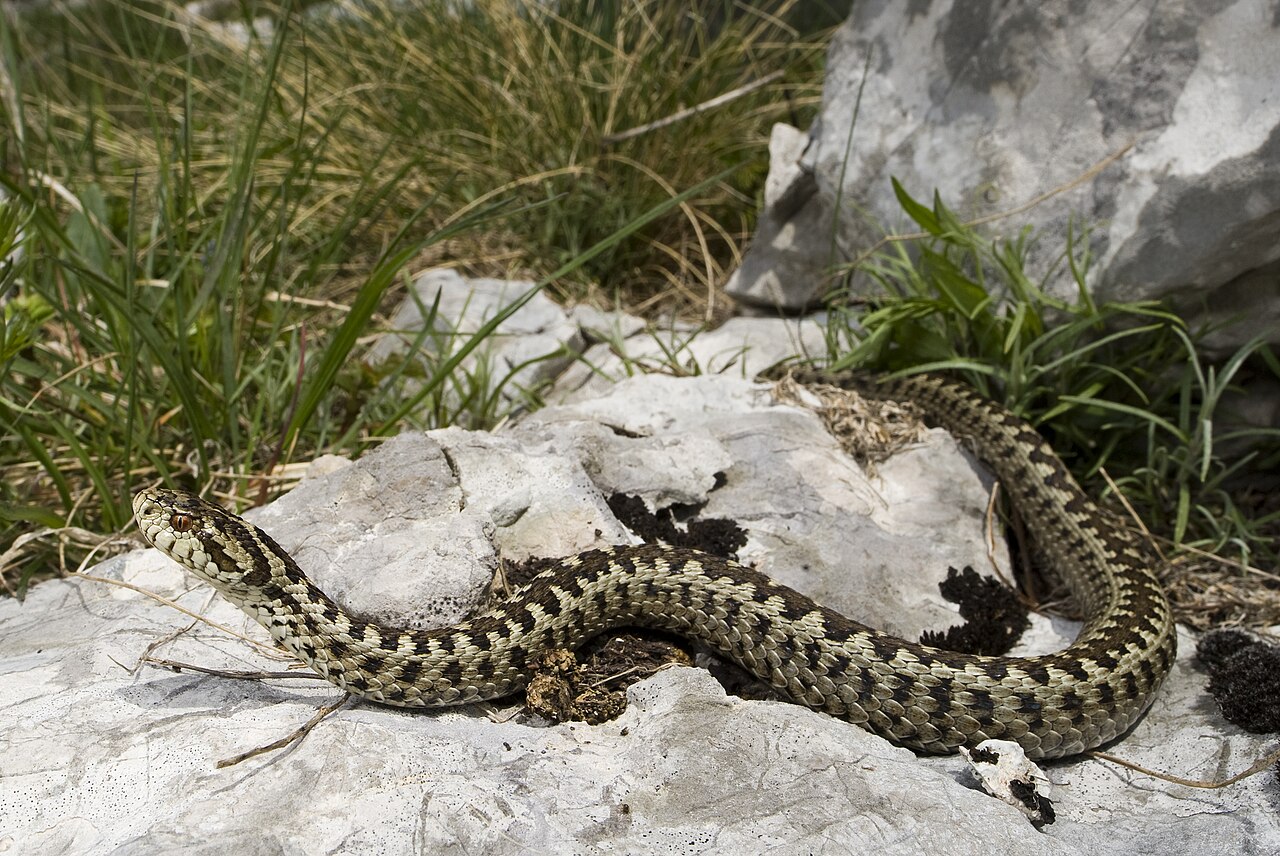
—observations
—countries
—peak records
VulnerableConservation statusIUCN Red List categoriesLCNTVUENCREWEXVulnerableRed List categories, explained →
Diet & prey
- Grasshoppers
- Crickets
- Lizards
Predators
- Birds of Prey
- Hedgehogs
- Larger Snakes
ThreatsAgricultural expansion, grassland degradation, habitat fragmentation, illegal collection
HabitatsGrasslands, alpine meadows, steppe pastures, heathlands
Life span8–12 years
Size / weightNot available
Classification
- FamilyViperidae
- SpeciesVipera ursinii
Range data is not available yet.
Interaction riskVery high
- Low
- Moderate
- High
- Very high
- Why interaction risk is very high
- Possesses venom used to hunt insects and lizards; maintain distance and never attempt to handle.
- Why it is dangerous
- Injects cytotoxic venom through short hollow fangs, causing local swelling, pain, and occasional mild systemic reaction.
- How to recognize a risky encounter
- A compact snake under 50 cm with a dark zigzag dorsal stripe, narrow head, and oval pupils.
- What to do
- Freeze and step back at least two meters if spotted; never handle, poke, or attempt to move wild vipers.
- What to notice
- Recognizable by its small body size and distinctive dark zigzag pattern along sun-warmed grassy slopes.
- Support conservation
- Keep precise location coordinates private on photography platforms to protect fragile local populations from illegal harvesting.
Responsible observation
- Watch the Ground: Scan sunny grassy patches and rocks in mountain meadows where they bask during cool mornings.
- Keep Distance: Observe from a safe distance of several steps to avoid causing stress or triggering a defensive strike.
- Step Carefully: Stick to established trails when walking in known habitat to avoid inadvertently stepping on hidden snakes.
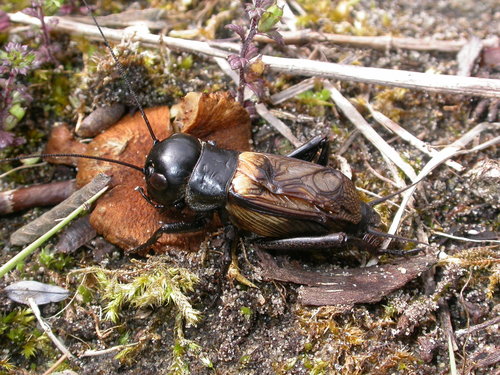
Prey (c) Gilles San Martin, some rights reserved (CC BY-SA) · cc-by-sa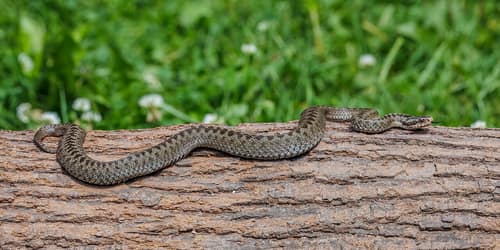
Close Relative Charles J. Sharp / CC BY-SA 4.0 · cc-by-sa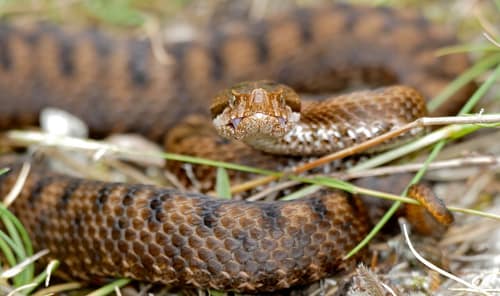
Close Relative Bernard DUPONT from FRANCE / CC BY-SA 2.0 · cc-by-sa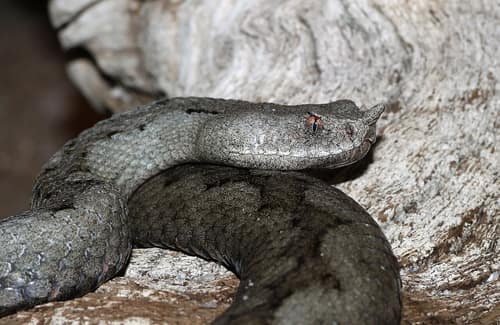
Close Relative Holger Krisp / CC BY 3.0 · cc-by
Help improve the field guideSomething wrong?
Checking your Fauna account…Report a name, category, or profile issue for review.