
Bird · GBIF taxon 9791464
Northern Bobwhite
Colinus virginianusAlso known as Virginia Quail, Bobwhite Quail
Northern bobwhites are small, plump ground birds famed for the male clear, rising whistle that gives them their name. During autumn and winter, coveys of up to two dozen birds roost in a tight circle facing outward to share warmth and detect predators. Habitat loss from modern agriculture and fire suppression has driven steep population declines across their range.
Ground-dwellingVocalDeclining
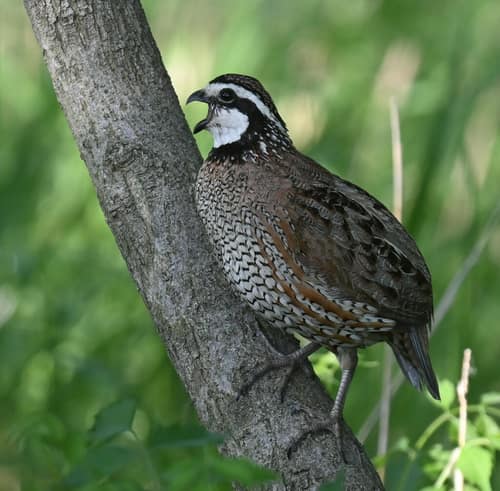
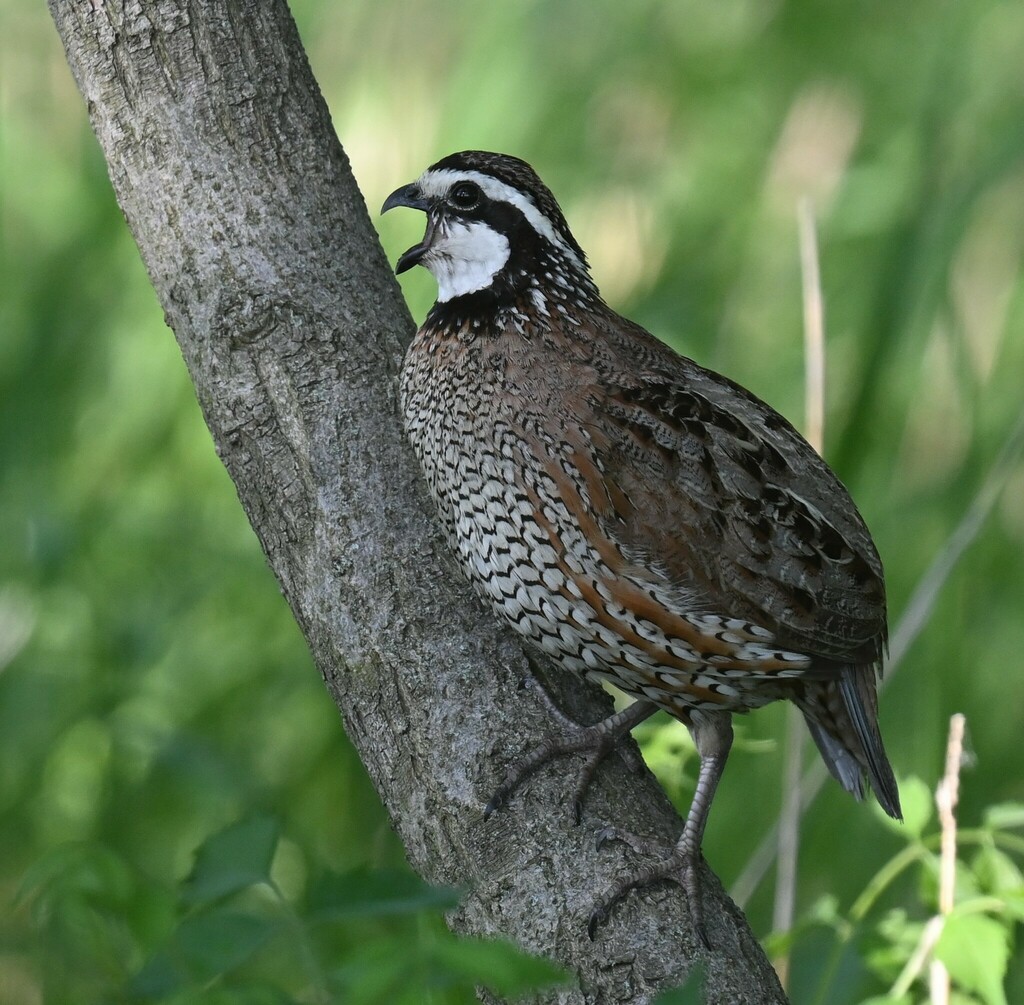
—observations
—countries
—peak records
Near ThreatenedConservation statusIUCN Red List categoriesLCNTVUENCREWEXNear ThreatenedRed List categories, explained →
Diet & prey
- Grasshoppers
- Weed seeds
- Acorns
Predators
- Cooper's Hawk
- Coyote
- Red Fox
ThreatsHabitat loss from intensive farming, fire suppression, pesticide application
HabitatsGrasslands, overgrown fields, brushy fence rows, open pine savannas
Life span2–5 years
Size / weightNot available
Classification
- OrderGalliformes
- FamilyOdontophoridae
- GenusColinus
- SpeciesColinus virginianus
Range data is not available yet.
Interaction riskLow
- Low
- Moderate
- High
- Very high
- Why interaction risk is low
- Safe to observe at a normal distance.
- What to notice
- Look for a mottled brown, short-tailed quail with a prominent white or buff stripe above the eye.
- Support conservation
- Keep dogs leashed along field borders and stay on established trails to protect concealed ground nests.
Responsible observation
- Listen for Calls: Scan brushy field edges during early summer mornings when males whistle from fence posts.
- Watch Field Margins: Approach overgrown fence lines quietly in winter to avoid flushing roosting coveys.
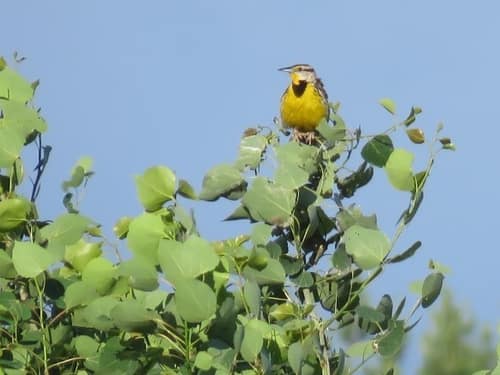
Frequent Companion (c) Jason Hill, some rights reserved (CC BY) · cc-by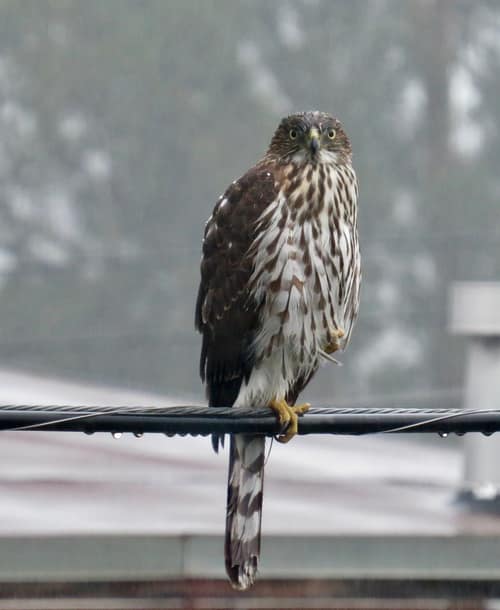
Predator "Cooper's Hawk - immature" by Kaaren Perry is licensed under CC BY 2.0. To view a copy of this license, visit https://creativecommons.org/licenses/by/2.0/. · cc-by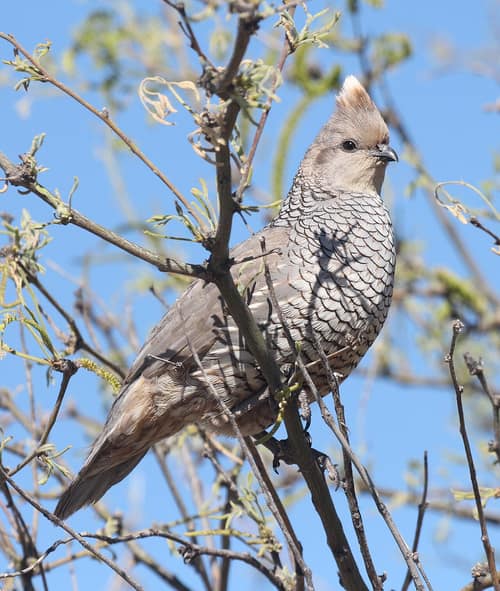
Close Relative ALAN SCHMIERER / CC0 · cc0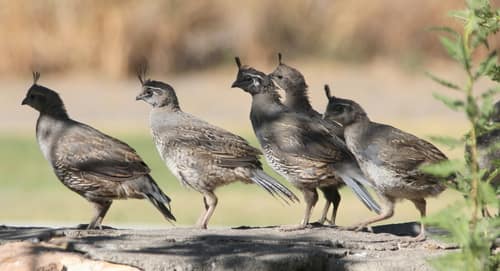
Close Relative (c) Millie Basden, some rights reserved (CC BY), uploaded by Millie Basden · cc-by
Help improve the field guideSomething wrong?
Checking your Fauna account…Report a name, category, or profile issue for review.