
Invertebrate · GBIF taxon 9790511
Blackback Land Crab
Gecarcinus lateralisAlso known as Bermuda Land Crab, Red Land Crab, Moon Crab
Blackback land crabs excavate deep, sloping burrows along coastal dunes and maritime forests, emerging mainly during humid evenings to forage on fallen leaves and fruit. While fully terrestrial as adults, females undertake synchronous seasonal migrations to the ocean surf to release thousands of fertilized eggs directly into breaking waves. Their specialized branchial chambers stay continuously moistened with stored water, enabling them to live hundreds of meters inland from the sea.
CrustaceanBurrowerColorful
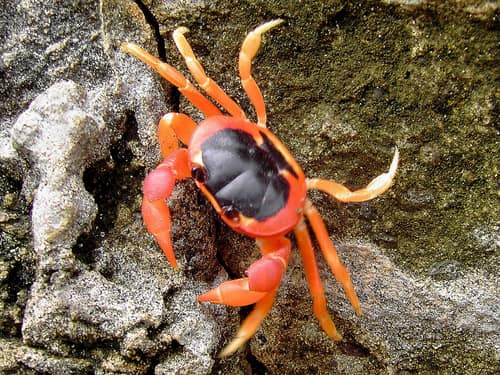
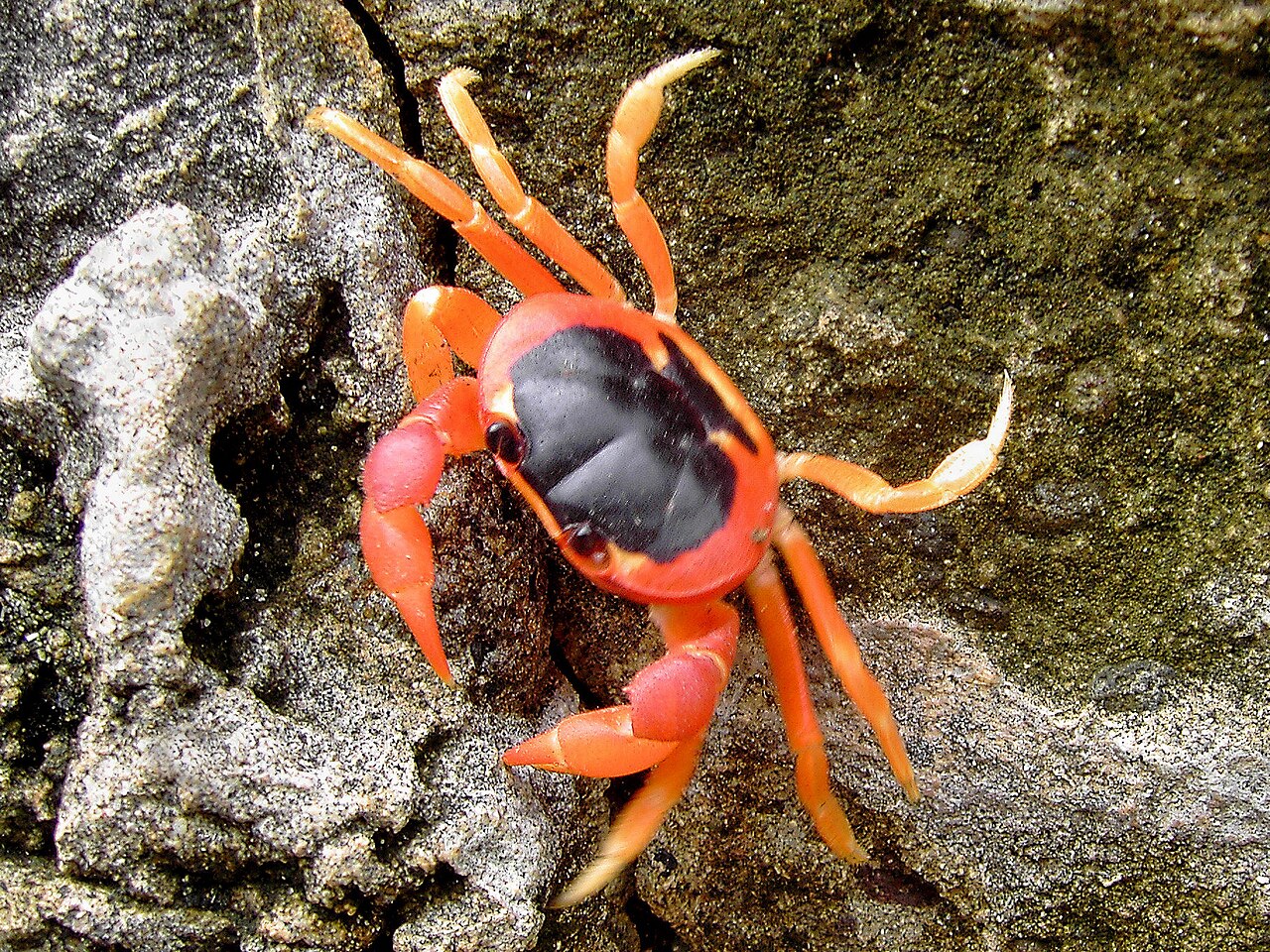
Licensed referenceHans Hillewaert / CC BY-SA 4.0 · cc-by-sa
—observations
—countries
—peak records
Not EvaluatedConservation statusIUCN Red List categoriesLCNTVUENCREWEXNot Evaluated — not placed on the risk ladderRed List categories, explained →
Diet & prey
- Fallen Leaves
- Coastal Fruit
- Seedlings
Predators
- Yellow-crowned Night Heron
- Raccoon
- Feral Cat
ThreatsCoastal development, vehicular mortality during breeding migrations, and invasive predators
HabitatsCoastal dunes, dry maritime scrub, tropical coastal forests, and sandy backshores
Life span8–12 years
Size / weightNot available
Classification
- OrderDecapoda
- FamilyGecarcinidae
- GenusGecarcinus
- SpeciesGecarcinus lateralis
Range data is not available yet.
Interaction riskLow
- Low
- Moderate
- High
- Very high
- Why interaction risk is low
- Powerful claws can pinch painfully if grabbed; give this crab space and observe from a comfortable distance.
- Why it is dangerous
- Stout chelae deliver high-pressure pinches capable of bruising or breaking human skin when the crab feels cornered.
- How to recognize a risky encounter
- Look for bright orange-red walking legs contrasting with a distinct dark purple or black patch covering the center of its rounded carapace.
- What to do
- Never attempt to pick up or restrain a cornered crab, and leave a clear escape path back to its burrow.
Responsible observation
- Night Spotting: Walk coastal paths with a red flashlight after dusk to watch them forage without startling them.
- Road Caution: Watch for migrating crabs crossing coastal roadways during wet nights near the full moon.
- Burrow Etiquette: Step carefully around sandy burrow entrances so the fragile tunnel roofs do not collapse.
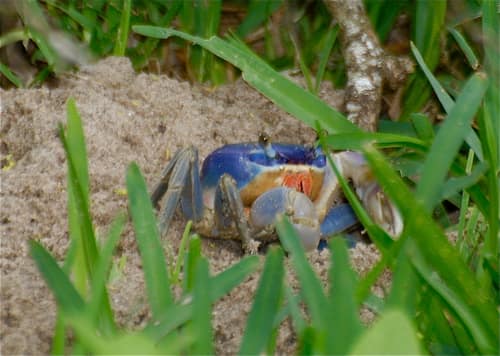
Competitor (c) Jay Pruett, some rights reserved (CC BY) · cc-by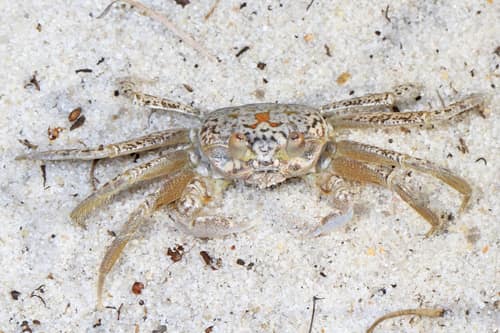
Shoreline Neighbor (c) Judy Gallagher, some rights reserved (CC BY) · cc-by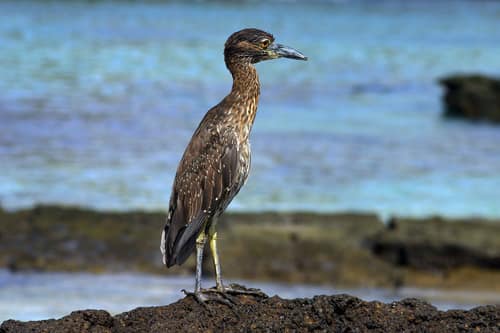
Predator (c) Charles J. Sharp , some rights reserved (CC BY-SA) · cc-by-sa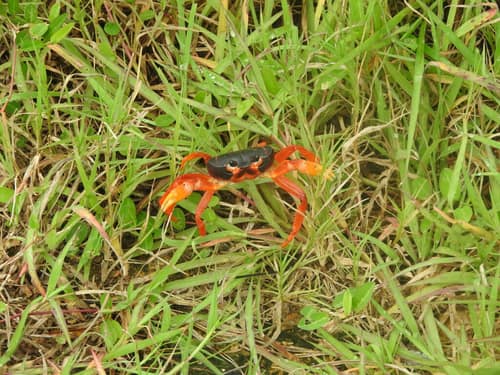
Close Relative no rights reserved · cc0
Keep collecting in Fauna
Found in Collections
Species set Pro
Shore Life
Blackback Land Crab is found in this collection. Identify it in Fauna to fill this slot and continue your progress.
Unlock to track progress
Help improve the field guideSomething wrong?
Checking your Fauna account…Report a name, category, or profile issue for review.