
Insect
Plain Plume Moth
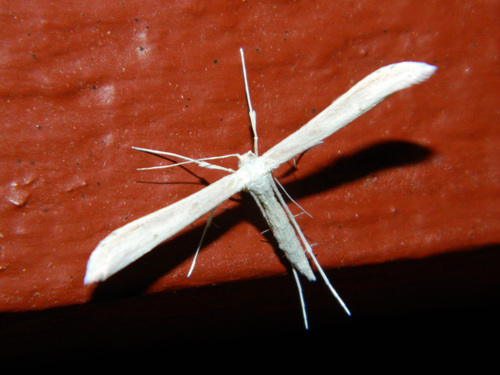
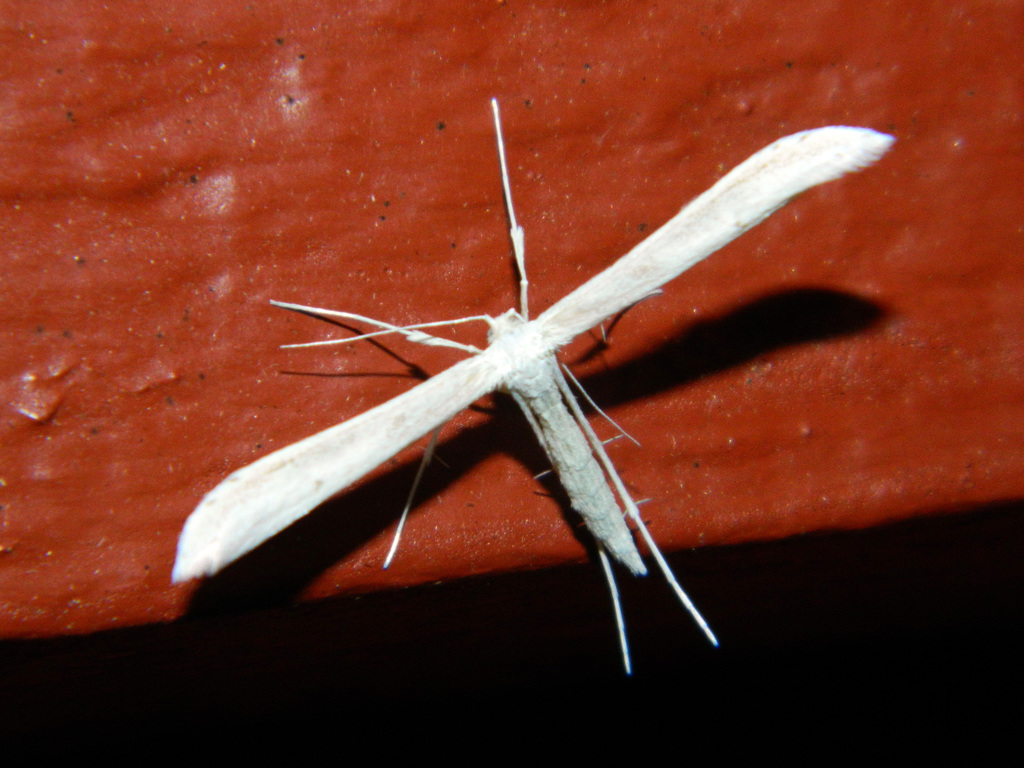
Hellinsia homodactylusPlain plume moths rest in a characteristic T-shape, holding their deeply cleft, feather-like wings rolled tightly perpendicular to their slender, pale bodies. Adults emerge at dusk to flutter weakly through meadows and brushy clearings, guided by the sweet scents of nocturnal flora. Caterpillars hatch directly onto aster family hosts, feeding quietly among goldenrod leaves and flower heads before overwintering.
NocturnalDelicateHerbivorous
—observations
—countries
—peak records
Not EvaluatedConservation statusIUCN Red List categoriesLCNTVUENCREWEXNot Evaluated — not placed on the risk ladderRed List categories, explained →
Diet & preyGoldenrod foliage, Flower buds, Floral nectar
Predators
- Orb-weaver spiders
- Songbirds
- Bats
ThreatsWidespread herbicide use, intensive mowing, and habitat loss
HabitatsMeadows, prairies, old fields, forest edges, and roadsides
Life spanAdults live 1–3 weeks; complete life cycle roughly 1 year
Classification
- FamilyPterophoridae
- SpeciesHellinsia homodactylus
Range data is not available yet.
Interaction riskLow
- Low
- Moderate
- High
- Very high
- Why interaction risk is low
- Safe to observe at a normal distance.
Responsible observation
- Flashlight Etiquette: Use a diffuse, warm light to observe delicate wing fringes without causing it to drop from foliage.
- Host Plant Search: Inspect the undersides of tall goldenrod leaves during calm summer evenings to spot resting adults.
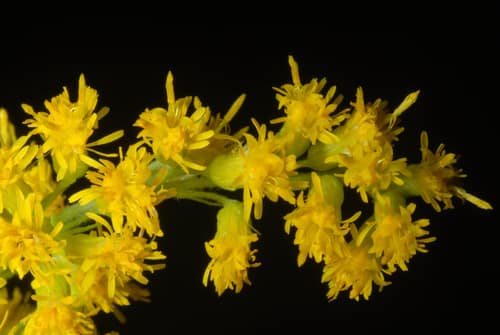
Host Plant (c) Douglas Goldman, some rights reserved (CC BY-SA), uploaded by Douglas Goldman · cc-by-sa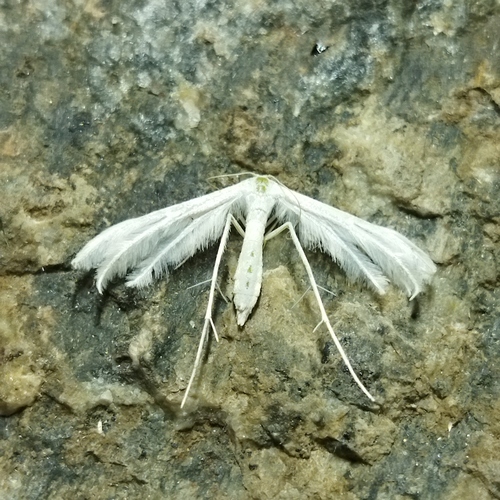
Look-alike (c) SteveM4560, some rights reserved (CC BY) · cc-by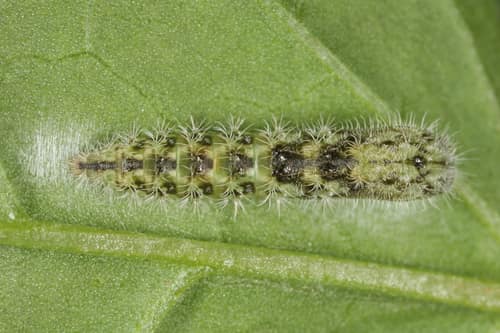
Same Family (c) ingridaltmann, some rights reserved (CC BY) · cc-by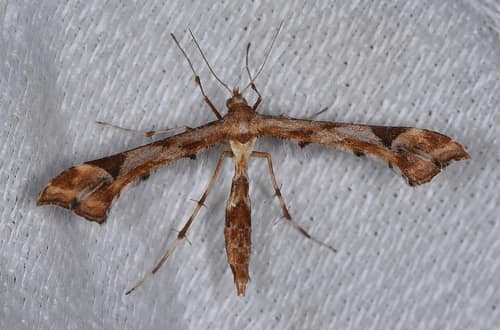
Same Family Don Loarie / CC BY 2.0 · cc-by
Help improve the field guideSomething wrong?
Checking your Fauna account…Report a name, category, or profile issue for review.