
Bird · GBIF taxon 9733156
Wandering Tattler
Tringa incanaAlso known as Alaskan Tattler, American Tattler
Wandering tattlers are robust, solitary shorebirds known for their incessant bobbing motion as they navigate rocky, wave-swept shorelines. They breed near gravelly mountain streams in Alaska and northwestern Canada before undertaking immense non-stop migrations across the Pacific Ocean to winter on remote tropical coasts and coral reefs. Their loud, shivering calls echo over the surf, alerting other coastal wildlife to potential threats well before the birds take flight.
ShorebirdMigratoryCoastal
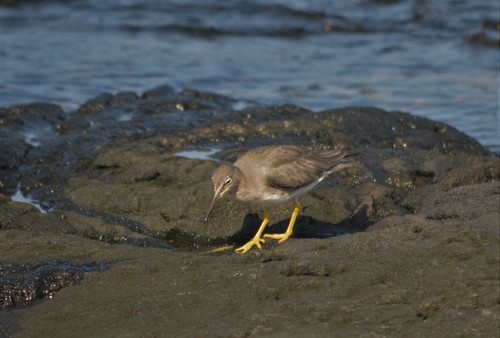
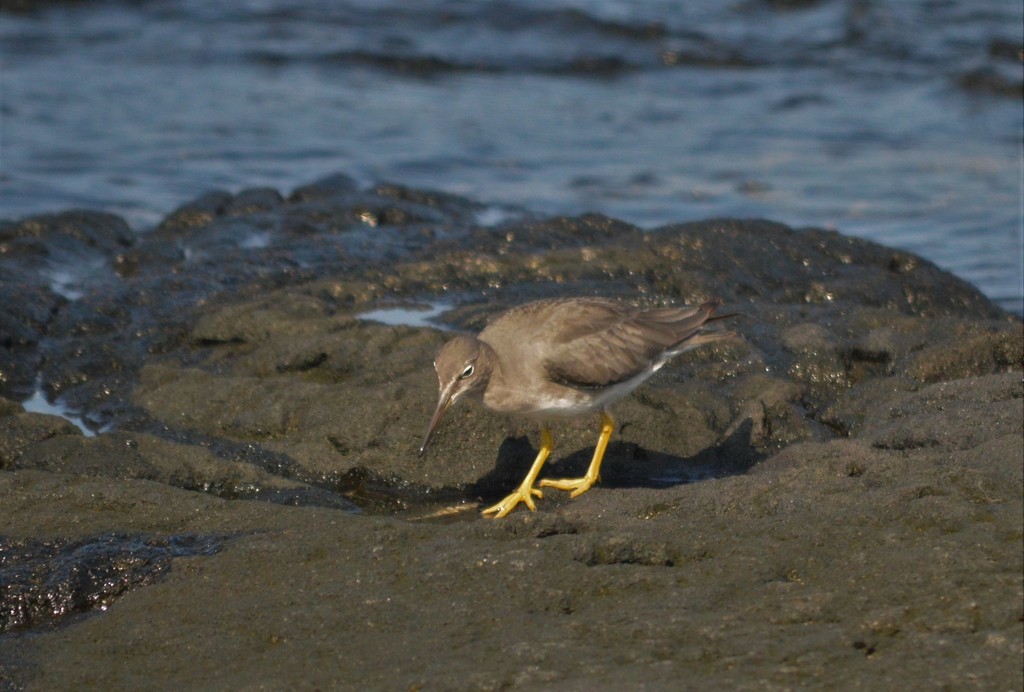
—observations
—countries
—peak records
Least ConcernConservation statusIUCN Red List categoriesLCNTVUENCREWEXLeast ConcernRed List categories, explained →
Diet & prey
- Crabs
- Marine Worms
- Aquatic Insects
Predators
- Peregrine Falcon
- Glaucous-winged Gull
- Arctic Fox
ThreatsCoastal development, climate change affecting breeding tundras, and invasive predators on wintering islands
HabitatsRocky sea coasts, reefs, gravelly mountain streams, and tidal flats
Life span7–10 years
Classification
- FamilyScolopacidae
- SpeciesTringa incana
Range data is not available yet.
Interaction riskLow
- Low
- Moderate
- High
- Very high
- Why interaction risk is low
- Safe to observe at a normal distance.
Responsible observation
- Look for Movement: Scan wave-washed rocks for a medium grey bird constantly teetering its tail up and down.
- Listen for Calls: Identify them by a distinctive series of rapid, ringing whistle notes given when flushed.
- Give Space: Keep distance along tidepools to allow uninterrupted foraging during vital migratory stops.
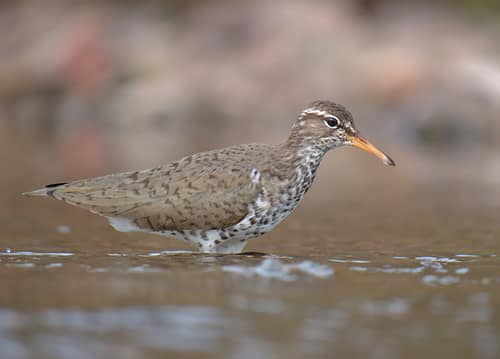
Competitor (c) Blake Ross, some rights reserved (CC BY), uploaded by Blake Ross · cc-by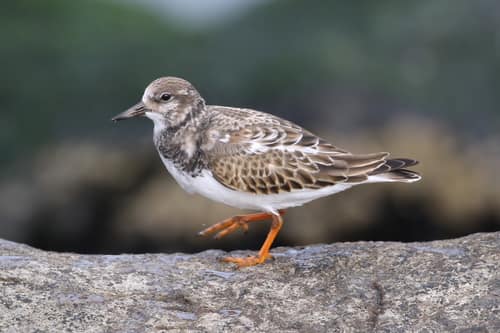
Frequent Companion no rights reserved, uploaded by Henggang Cui · cc0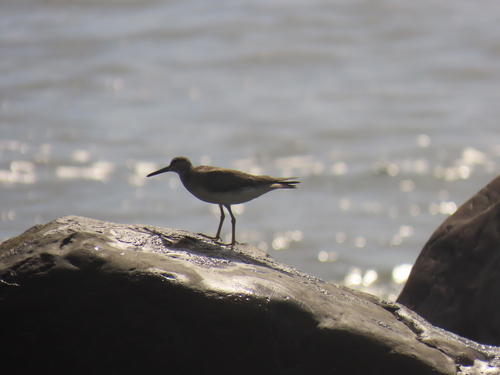
Close Relative (c) chiuluan, some rights reserved (CC BY) · cc-by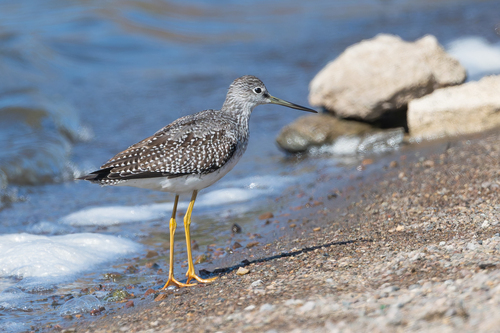
Close Relative no rights reserved, uploaded by Adam Jackson · cc0
Help improve the field guideSomething wrong?
Checking your Fauna account…Report a name, category, or profile issue for review.