
Fungus · GBIF taxon 9711512
Auricularia angiospermarum
Auricularia angiospermarumAlso known as American Wood Ear, Wood Ear, Jelly Ear
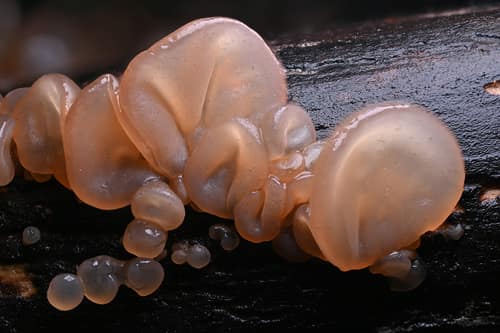
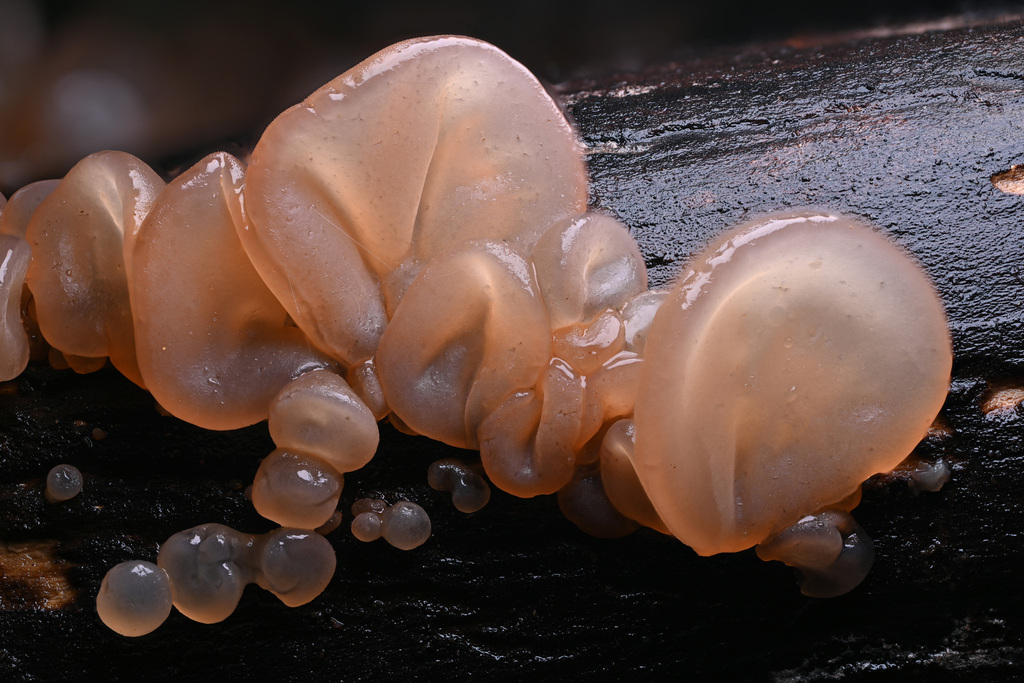
American wood ear mushrooms form translucent, brownish, ear-shaped brackets on fallen hardwood logs and dead branches across North America. Their gelatinous tissue expands and softens in wet weather, drying to thin, rubbery crusts during dry spells. These saprotrophic fungi play a vital role breaking down tough lignin and cellulose in broadleaf forests.
Jelly FungusWoodlandDecomposer
 1 / 7
1 / 7—observations
—countries
—peak records
Not EvaluatedConservation statusIUCN Red List categoriesLCNTVUENCREWEXNot Evaluated — not placed on the risk ladderRed List categories, explained →
Diet & prey
- Saprotrophic
Predators
- Slugs
- Fungus beetles
- Snails
ThreatsWidespread logging and forest clearing
HabitatsDeciduous forests and hardwood woodlands
Life spanFruitbodies persist several weeks to months
Size / weightNot available
Classification
- OrderAuriculariales
- FamilyAuriculariaceae
- GenusAuricularia
- SpeciesAuricularia angiospermarum
Range data is not available yet.
Interaction riskLow
- Low
- Moderate
- High
- Very high
- Why interaction risk is low
- Many wild mushrooms have toxic look-alikes; never eat wild fungi based on app identification alone.
Responsible observation
- Observation: Look on fallen oak and beech branches in humid, shaded woods after spring or autumn rains.
- Hydration Check: Rehydrates quickly after rain; dry specimens appear dark, hard, and shriveled on logs.
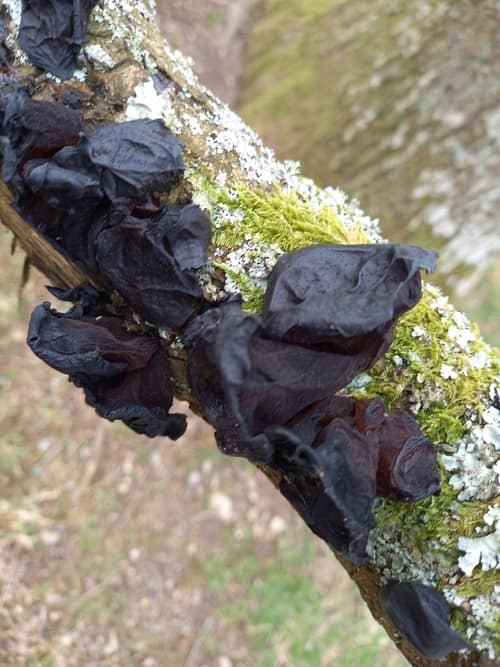
Co-Occurring Species (c) sugarsnap_t, some rights reserved (CC BY), uploaded by sugarsnap_t · cc-by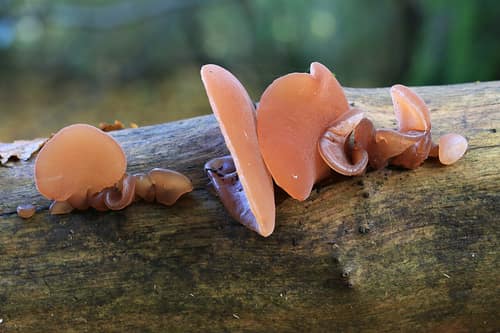
Close Relative Stu's Images / CC BY-SA 4.0 · cc-by-sa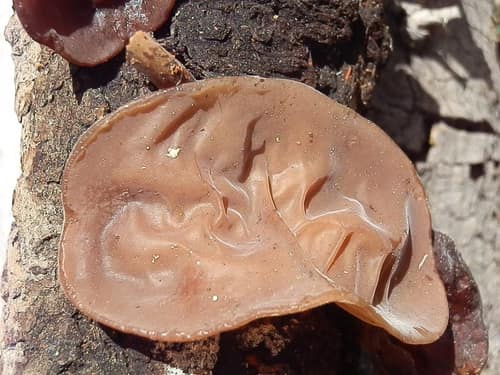
Close Relative (c) pinonbistro, some rights reserved (CC BY-SA), uploaded by pinonbistro · cc-by-sa
Keep collecting in Fauna
Found in Collections
Species set Pro
Fungi Forager
Auricularia angiospermarum is found in this collection. Identify it in Fauna to fill this slot and continue your progress.
Unlock to track progress
Help improve the field guideSomething wrong?
Checking your Fauna account…Report a name, category, or profile issue for review.