
Reptile
Viviparous Lizard
Zootoca viviparaAlso known as Common Lizard, Eurasian Common Lizard
Viviparous lizards thrive farther north than any other non-marine reptile, ranging across Eurasia into the Arctic Circle. Unlike most reptiles, females in northern populations give birth to live young wrapped in thin membranes, an adaptation crucial for surviving cool climates. On chilly mornings, they bask quietly on wooden boardwalks, rocks, or dry logs to warm up before hunting small invertebrates.
Cold-TolerantLive-BearingInsectivore
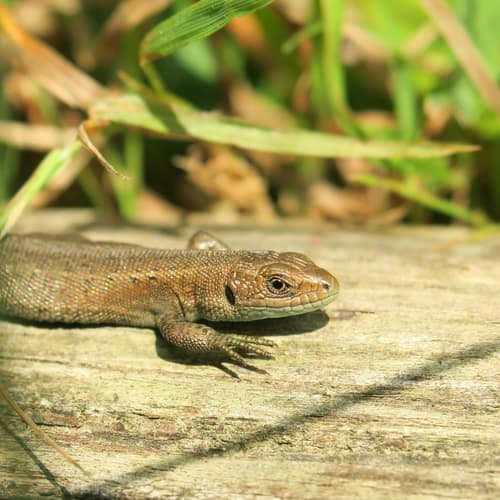
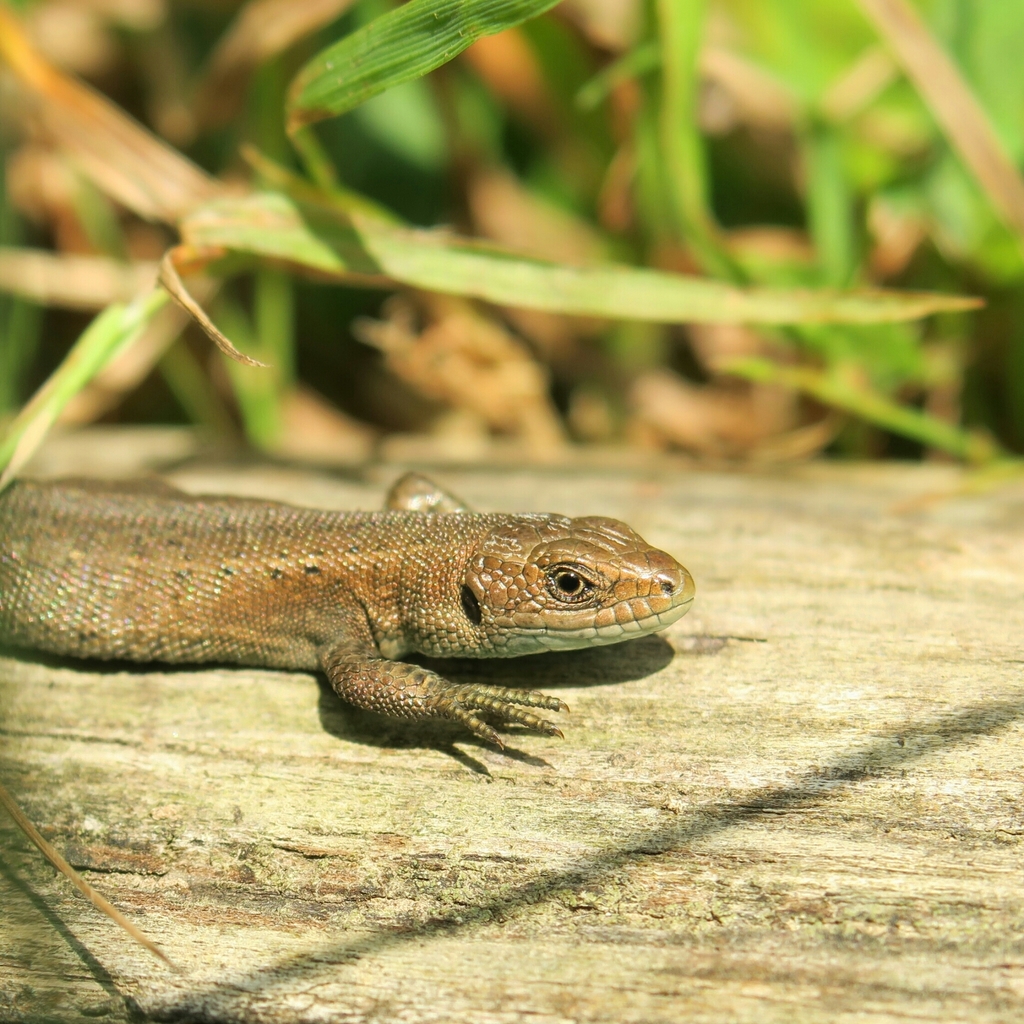
—observations
—countries
—peak records
Least ConcernConservation statusIUCN Red List categoriesLCNTVUENCREWEXLeast ConcernRed List categories, explained →
Diet & preySpiders, Grasshoppers, Flies
Predators
- European Adder
- Eurasian Kestrel
- Domestic Cat
ThreatsHabitat destruction, wetland drainage, and predation by domestic cats
HabitatsBogs, heathlands, damp meadows, moorlands, and woodland edges
Life span5–12 years
Classification
- FamilyLacertidae
- SpeciesZootoca vivipara
Range data is not available yet.
Interaction riskLow
- Low
- Moderate
- High
- Very high
- Why interaction risk is low
- Safe to observe at a normal distance.
Responsible observation
- Approach Quietly: Walk softly near basking spots like fallen logs and fences, as sudden vibrations cause them to dart into dense grass.
- Avoid Casting Shadows: Position yourself so your shadow does not fall over the lizard, which mimics an approaching bird of prey.
- Do Not Handle: Never attempt to catch them, as they easily shed their tails when grabbed or threatened.
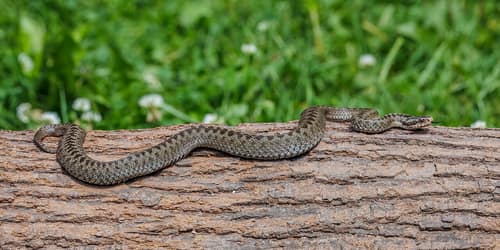
Predator Charles J. Sharp / CC BY-SA 4.0 · cc-by-sa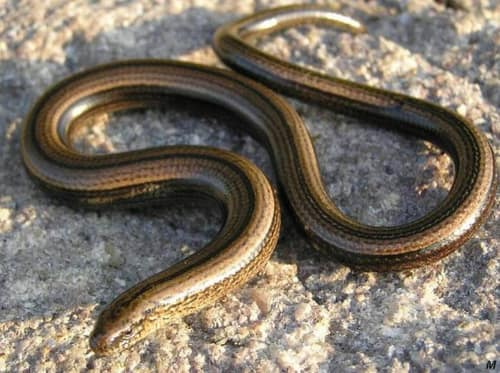
Co-occurring Reptile Wikimedia Commons / CC BY-SA 3.0 · cc-by-sa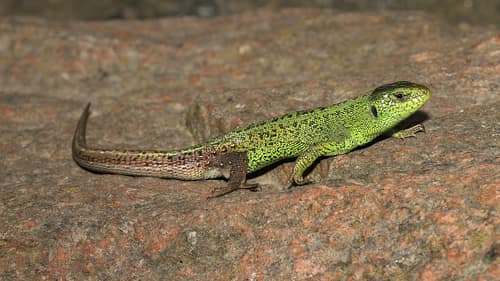
Close Relative George Chernilevsky / Public domain · cc0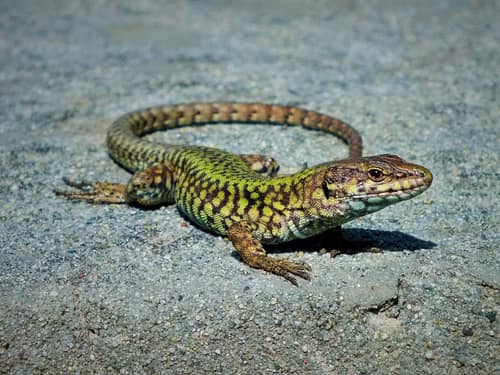
Close Relative Mariomassone / CC BY-SA 4.0 · cc-by-sa
Help improve the field guideSomething wrong?
Checking your Fauna account…Report a name, category, or profile issue for review.