Also known as Shaggy Sea Hare, Ragged Sea Slug, Woolly Sea Hare
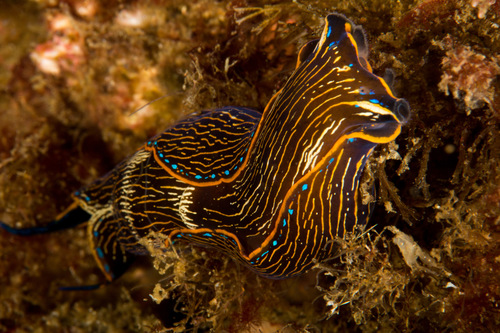
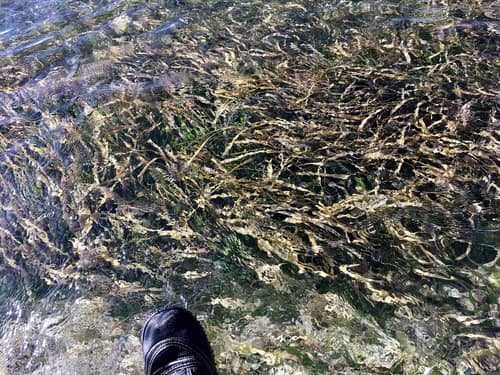
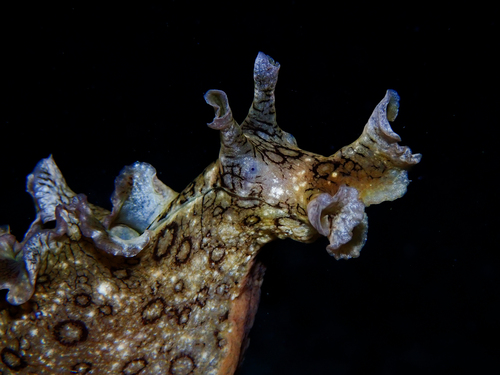
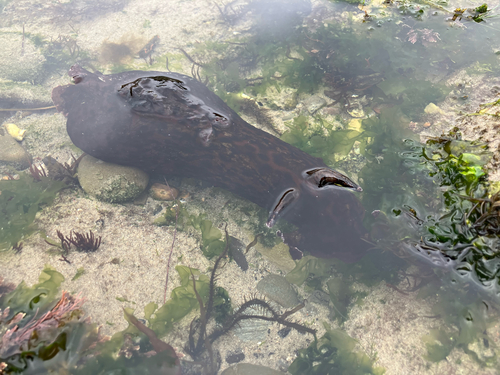
Ragged seahares glide across sheltered sandy flats, mudflats, and seagrass meadows, using branched, ragged papillae covering their bodies to break up their silhouette against complex algae. When food blooms occur, they congregate in dense mating chains where each individual functions simultaneously as both male and female. Disturbed individuals emit a defensive purple or white ink cloud containing unpalatable algal metabolites to deter curious fish and crustaceans.
Not EvaluatedConservation statusIUCN Red List categoriesLCNTVUENCREWEXNot Evaluated — not placed on the risk ladderRed List categories, explained →
Key facts
Diet & preyCyanobacteria, Diatoms, Filamentous Green Algae
Predators
Navanax inermis
Blue Crab
Spiny Lobster
ThreatsCoastal development, seagrass habitat loss, agricultural runoff, and water pollution
HabitatsShallow protected bays, lagoons, seagrass meadows, and estuarine mudflats
Life span9–12 months
Classification
OrderAplysiida
FamilyAplysiidae
GenusBursatella
SpeciesBursatella leachii
Range & activity
Range data is not available yet.
Safe observation
Interaction riskHigh
Low
Moderate
High
Very high
Why interaction risk is high
Tissues contain concentrated cyanobacterial toxins harmful to humans and pets if ingested; observe without handling.
Why it is dangerous
Concentrates aplysiatoxins and lyngbyatoxins from dietary cyanobacteria, which cause severe vomiting, tremors, and potential respiratory collapse if ingested by dogs or humans.
How to recognize a risky encounter
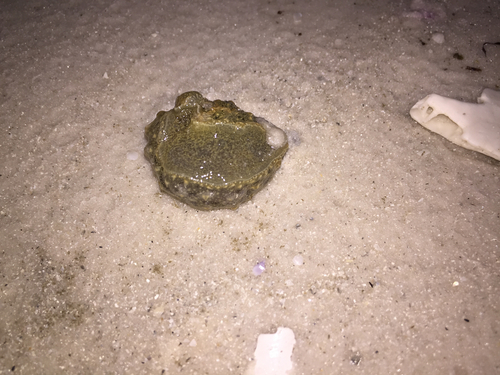
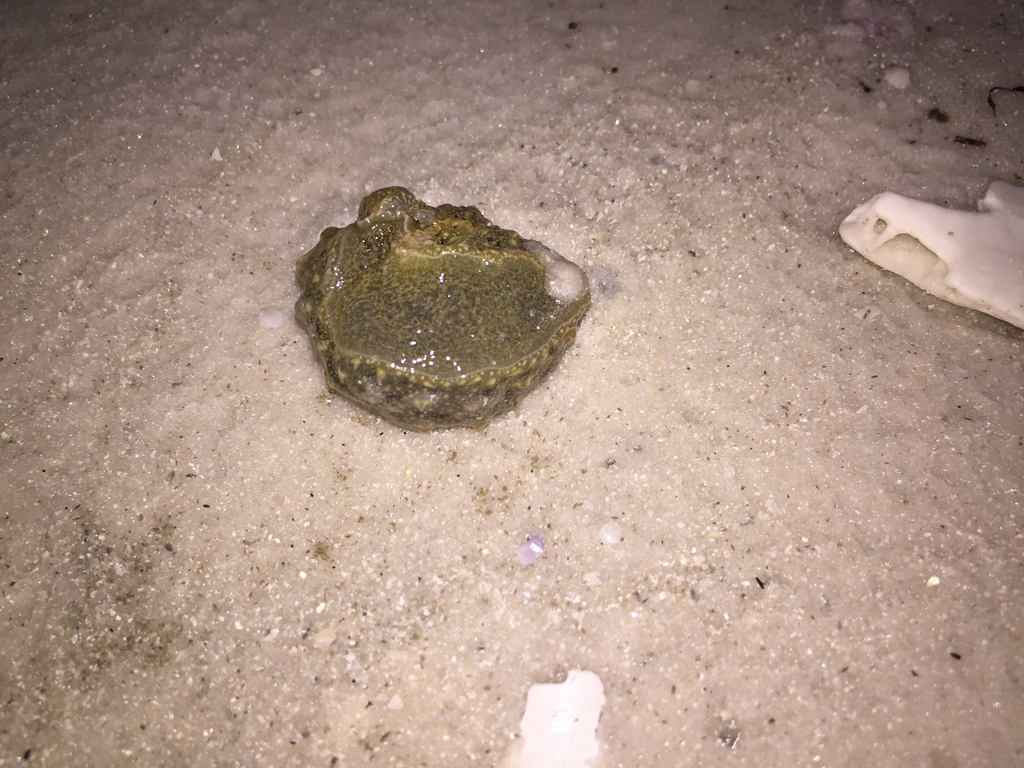
Recognizable by soft greenish-brown to greyish bodies densely covered in ragged, branched fleshy papillae, often marked with glowing blue-green eye-like spots.
What to do
Do not touch or collect, and prevent pets from sniffing or chewing stranded specimens along the tideline.
Responsible observation
Observation Timing: Search quiet tide pools and shallow estuaries during low tide on calm, sunny mornings.
Pet Safety: Keep curious dogs on a leash along wrack lines, as washed-up specimens can poison pets.
Handling Etiquette: Admire them undisturbed in the water to avoid causing stress-induced ink release.