
Plant · GBIF taxon 9677963
Hubei Anemone
Eriocapitella hupehensisAlso known as Japanese Anemone, Chinese Anemone, Windflower
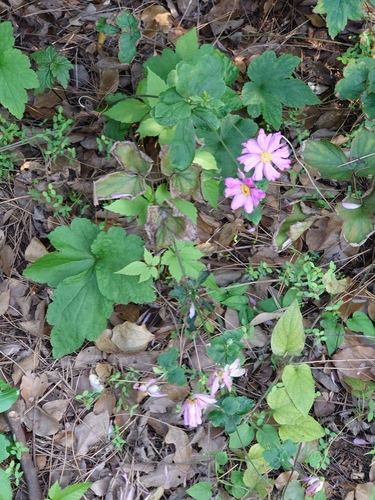
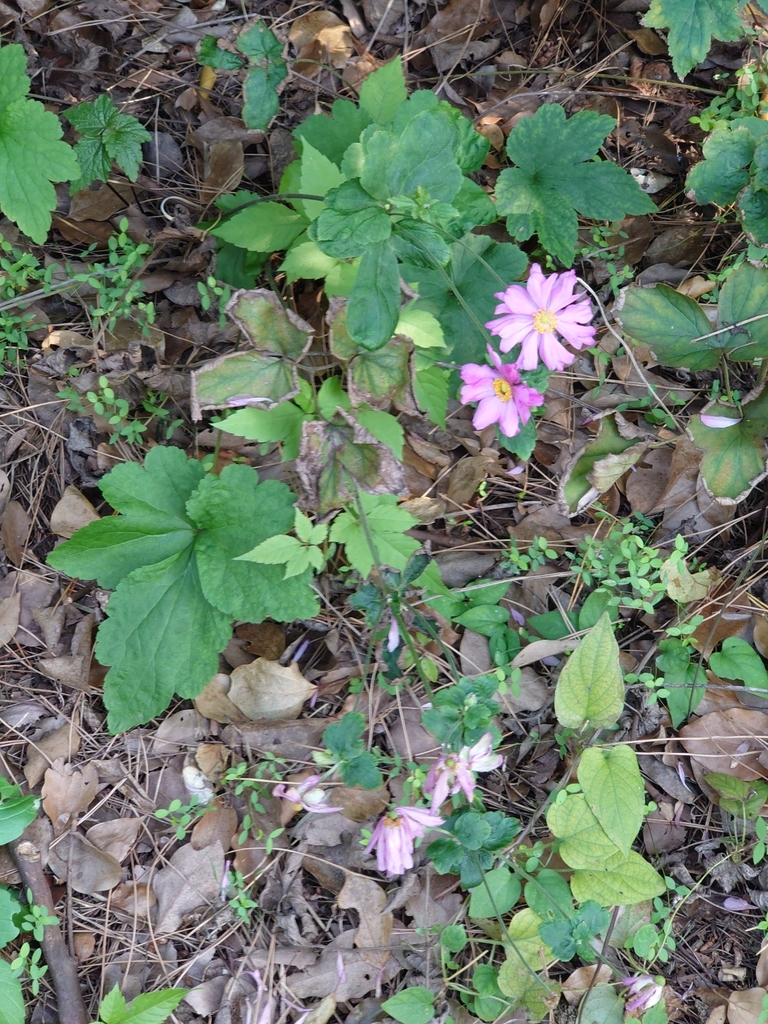
Hubei anemones brighten late summer and autumn landscapes with delicate pink flowers supported on tall, graceful stems. Native to rocky slopes and woodland edges across China, these perennials spread steadily through creeping roots to form expansive foliage colonies. Their deeply lobed leaves remain dark green throughout the summer before giving way to fluffy, cotton-like seed heads in late fall.
PerennialAutumn BloomerToxic Plant
—observations
—countries
—peak records
Not EvaluatedConservation statusIUCN Red List categoriesLCNTVUENCREWEXNot Evaluated — not placed on the risk ladderRed List categories, explained →
Diet & prey
- Sunlight
- Water
- Soil Minerals
Predators
- Slugs
- Snails
- Caterpillars
ThreatsHabitat clearance and aggressive agricultural development
HabitatsWoodland margins, stream banks, mountain slopes, and temperate gardens
Life span10 to 20 years or more
Classification
- OrderRanunculales
- FamilyRanunculaceae
- GenusEriocapitella
- SpeciesEriocapitella hupehensis
Range data is not available yet.
Interaction riskHigh
- Low
- Moderate
- High
- Very high
- Why interaction risk is high
- Fresh plant sap contains irritating protoanemonin; handle with care and do not ingest.
- Why it is dangerous
- Contains protoanemonin, a chemical compound that causes severe oral pain, gastrointestinal distress, and contact skin dermatitis.
- How to recognize a risky encounter
- Look for tall, multi-branched stems holding cup-shaped pink blossoms with five to six petals around bright yellow stamens.
- What to do
- Wear garden gloves when handling cut stems, avoid wiping eyes while gardening, and keep foliage away from browsing pets.
Responsible observation
- Observation: Appreciate the silky pink blossoms and golden stamens from late August through October.
- Gardening: Plant in fertile, moisture-retentive soil in partial shade to encourage lush foliage and abundant blooms.
- Safety: Wear gloves when pruning stems or dividing clumps to avoid skin exposure to caustic sap.
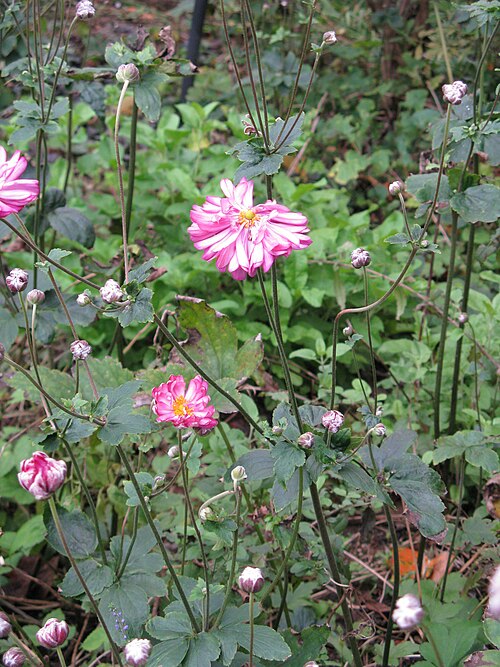
Close Relative KENPEI / CC BY-SA 3.0 · cc-by-sa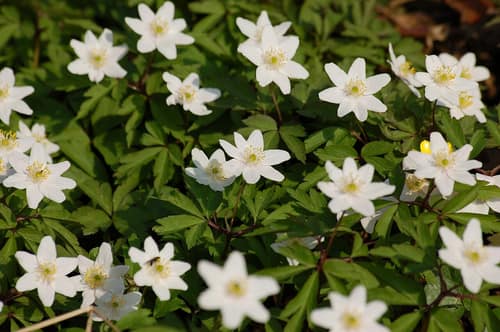
Family Member Lilly M / CC BY-SA 3.0 · cc-by-sa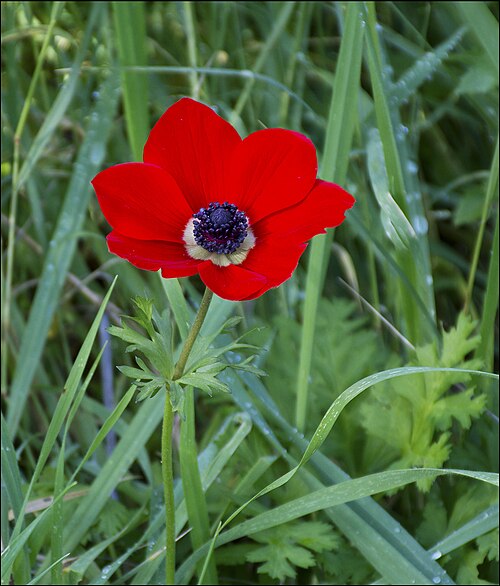
Family Member Zachi Evenor / CC BY 2.0 · cc-by
Help improve the field guideSomething wrong?
Checking your Fauna account…Report a name, category, or profile issue for review.