
Insect
Dentate Stink Beetle
Eleodes dentipesAlso known as Tooth-legged Stink Beetle, Dentate Pinacate Beetle, Desert Stink Beetle
Wandering across western chaparral and woodland floors, the dentate stink beetle scavenges fallen organic detritus with a steady, deliberate gait. When alarmed, it raises its abdomen skyward in a classic acrobatic headstand, ready to emit a noxious quinone secretion from abdominal glands. Its tightly fused elytra lock over the body, forming an airtight subelytral chamber that conserves moisture in parched environments.
NocturnalDecomposerFlightless
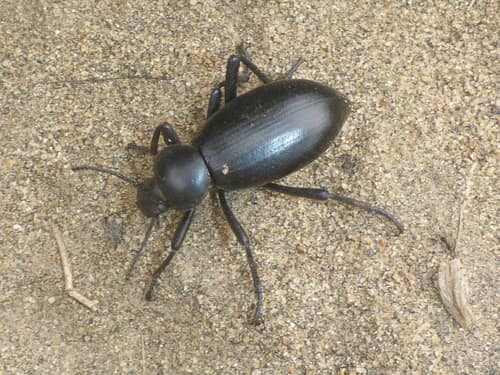
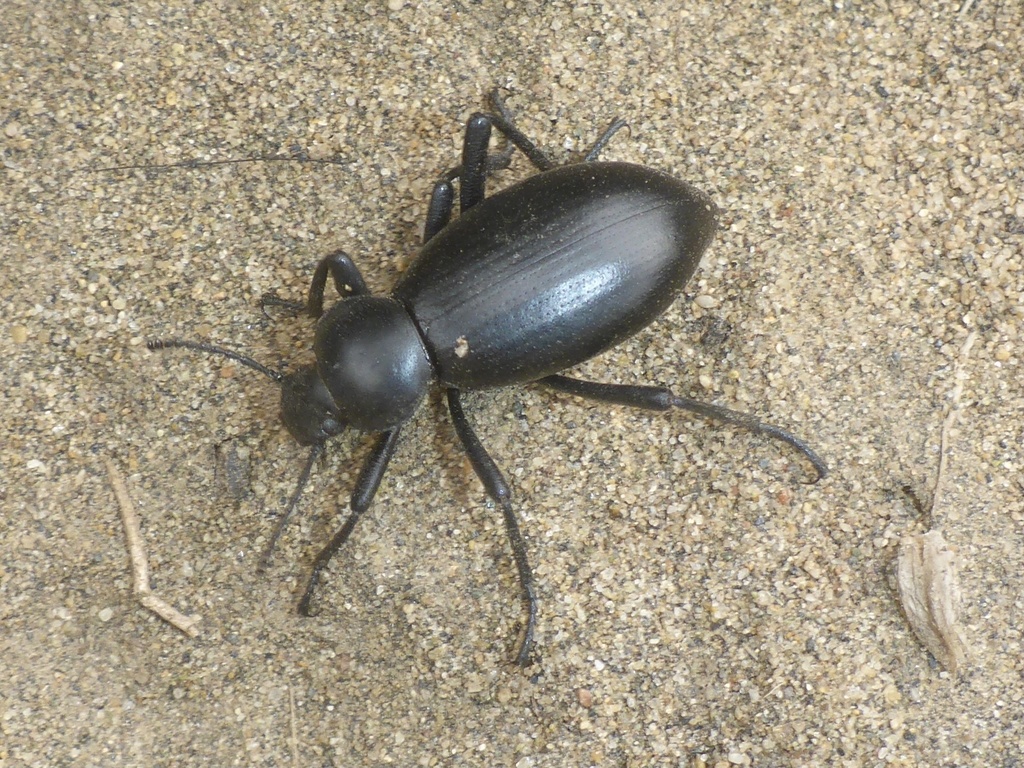
—observations
—countries
—peak records
Not EvaluatedConservation statusIUCN Red List categoriesLCNTVUENCREWEXNot Evaluated — not placed on the risk ladderRed List categories, explained →
Diet & preyLeaf Litter, Rotting Wood, Fungi
Predators
- Southern Grasshopper Mouse
- Loggerhead Shrike
- Western Toad
ThreatsHabitat loss, widespread pesticide application, and urban development
HabitatsChaparral, oak woodlands, desert scrub, and leaf litter
Life span1–3 years
Classification
- OrderColeoptera
- FamilyTenebrionidae
- GenusEleodes
- SpeciesEleodes dentipes
Range data is not available yet.
Interaction riskLow
- Low
- Moderate
- High
- Very high
- Why interaction risk is low
- Safe to observe at a normal distance.
Responsible observation
- Observation: Search beneath rotting wood, large flat stones, and thick leaf litter during daytime hours.
- Handling: Refrain from picking up the beetle to avoid triggering its foul-smelling chemical discharge.
- Defense Display: Watch closely from a low angle to see its famous upside-down headstand posture.
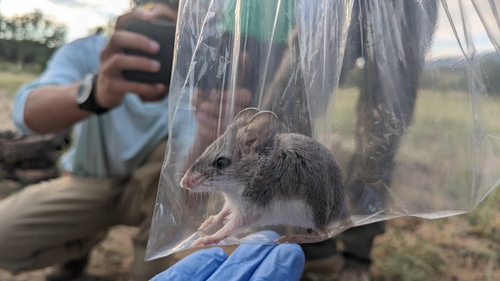
Predator (c) Olivia Guswiler, some rights reserved (CC BY) · cc-by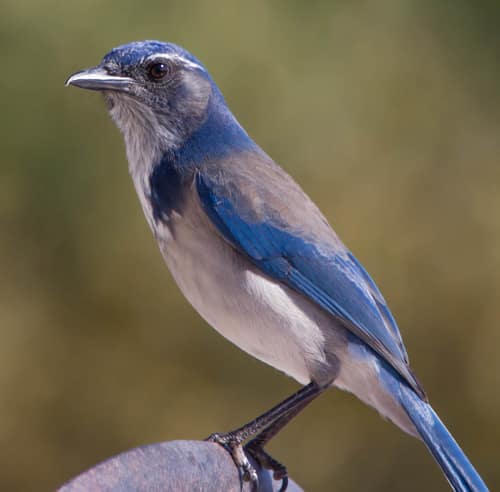
Predator (c) Dawn Beattie, some rights reserved (CC BY) · cc-by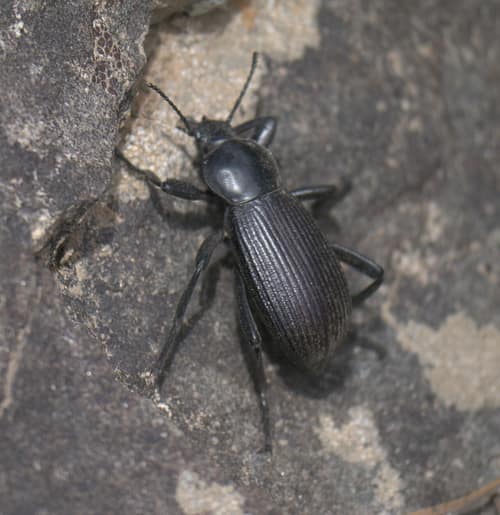
Close Relative xpda / CC BY-SA 4.0 · cc-by-sa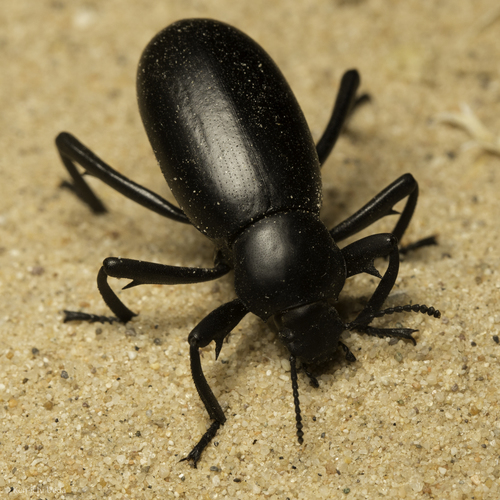
Close Relative (c) Ken-ichi Ueda, some rights reserved (CC BY), uploaded by Ken-ichi Ueda · cc-by
Help improve the field guideSomething wrong?
Checking your Fauna account…Report a name, category, or profile issue for review.