
Fish · GBIF taxon 9625640
Xenacanthus decheni
Xenacanthus decheniXenacanth sharks prowled the dense freshwater swamps and lakes of the Carboniferous and Permian periods with an elongated, eel-like body and a ribbon-like dorsal fin. A prominent, serrated spine projected backwards from the rear of the skull, providing defense against larger aquatic predators. Their peculiar double-pointed teeth gripped slippery prey with ease in dark, weed-choked river basins.
PrehistoricFreshwaterCarnivorous
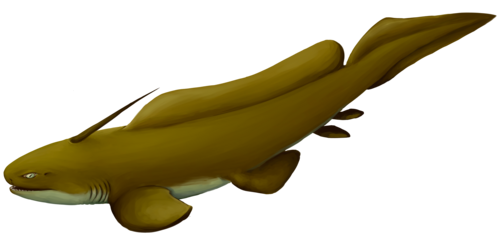
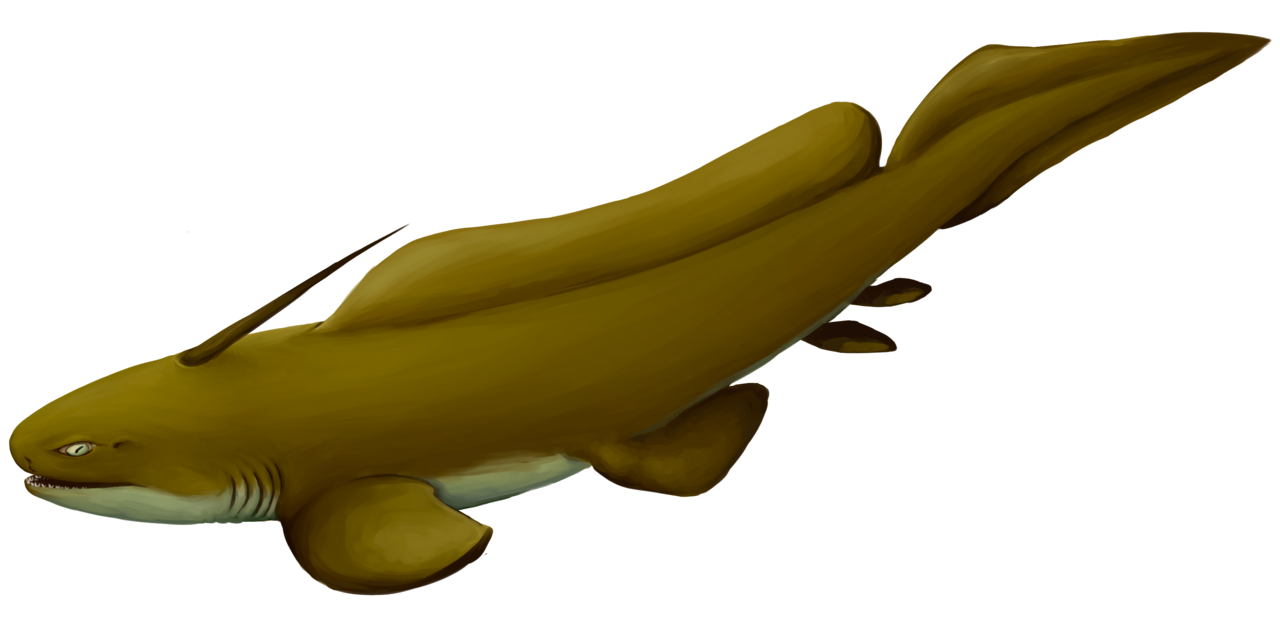
Licensed referenceGasmasque / CC BY 4.0 · cc-by
—observations
—countries
—peak records
ExtinctConservation statusIUCN Red List categoriesLCNTVUENCREWEXExtinctRed List categories, explained →
Diet & prey
- Palaeoniscid fishes
- Aquatic invertebrates
- Larval amphibians
Predators
- Temnospondyl amphibians
- Archegosaurus
- Larger predatory sharks
ThreatsPaleozoic environmental drying and end-Permian extinction events
HabitatsFreshwater lakes, oxbows, and swamp basins
Life span10–20 years
Size / weightNot available
Classification
- FamilyXenacanthidae
- GenusXenacanthus
- SpeciesXenacanthus decheni
Range data is not available yet.
Interaction riskLow
- Low
- Moderate
- High
- Very high
- Why interaction risk is low
- Extinct prehistoric species preserved only as fossils.
Responsible observation
- Fossil Examination: Inspect fine lacustrine shale slabs in museum collections to view the preserved cephalic spine.
- Matrix Sorting: Search for miniature double-pronged diplodont teeth when screening Paleozoic freshwater sediments.
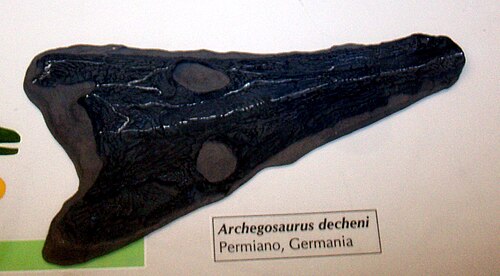
Predator Ghedoghedo / CC BY-SA 3.0 · cc-by-sa Image unavailable
Prey 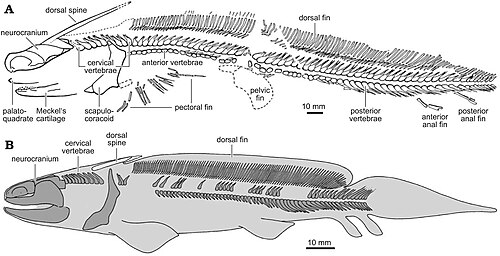
Close Relative Kimberly G. Beck, Rodrigo Soler-Gijón, Jesse R. Carlucci, Ray E. Willis / CC BY 4.0 · cc-by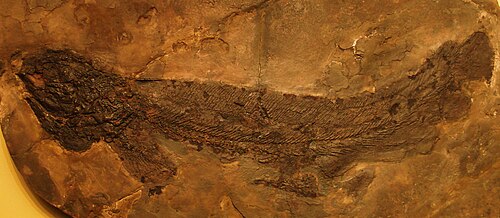
Close Relative Ghedoghedo / CC BY-SA 3.0 · cc-by-sa
Help improve the field guideSomething wrong?
Checking your Fauna account…Report a name, category, or profile issue for review.