
Species
Edmontosaurus Annectens
Claosaurus annectensAlso known as Anatotitan
Edmontosaurus annectens was among the largest duck-billed dinosaurs, roaming the subtropical coastal floodplains of late Cretaceous western North America in vast herds. Equipped with broad bills and dental batteries housing hundreds of constantly replaced teeth, these massive herbivores pulverized tough conifer needles, twigs, and fibrous foliage. Exceptional mummified specimens reveal scaly, pebbled skin textures, hoof-like pads on their forelimbs, and muscular tails that counterbalanced their immense bodies during bipedal and quadrupedal locomotion.
PrehistoricHerbivoreFossil
—observations
—countries
—peak records
ExtinctConservation statusIUCN Red List categoriesLCNTVUENCREWEXExtinctRed List categories, explained →
Diet & preyConifer needles, Horsetails, Angiosperm leaves
Predators
- Tyrannosaurus rex
- Dakotaraptor steini
ThreatsCretaceous-Paleogene extinction event, apex carnivores
HabitatsSubtropical coastal floodplains, river deltas, forested lowlands
Life span25–35 years
Classification
- FamilyHadrosauridae
- SpeciesClaosaurus annectens
Range data is not available yet.
Interaction riskLow
- Low
- Moderate
- High
- Very high
- Why interaction risk is low
- Extinct prehistoric species; safe to observe through museum fossil exhibits and casts.
Responsible observation
- Fossil Identification: Look for a broad, toothless bill backed by deep batteries of grinding cheek teeth.
- Museum Etiquette: Avoid touching mounted fossil skeletons and fragile mummified skin casts.
- Field Discovery: Report exposed bone fragments in badlands to professional paleontologists.
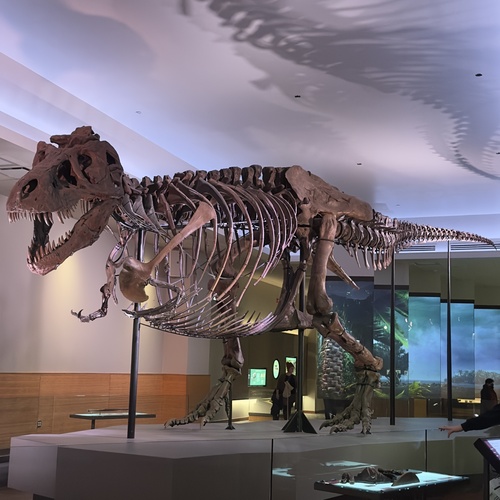
Predator no rights reserved, uploaded by wilderbombyx · cc0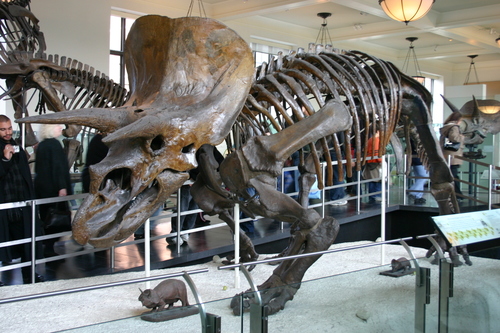
Neighbor (c) Ryan Somma, some rights reserved (CC BY-SA) · cc-by-sa Image unavailable
Predator 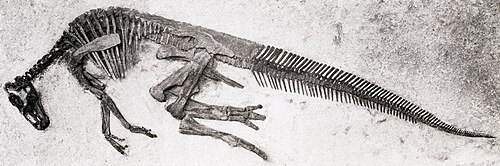
Close Relative Charles H. Sternberg / Public domain · cc0
Help improve the field guideSomething wrong?
Checking your Fauna account…Report a name, category, or profile issue for review.