
Bird · GBIF taxon 9606290
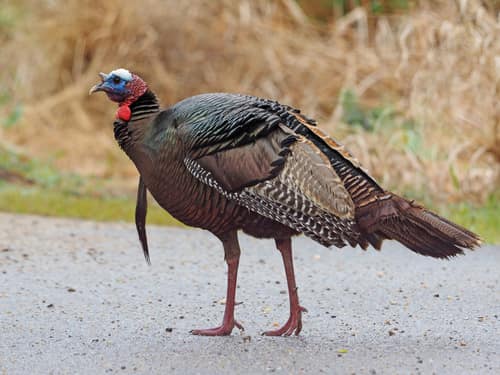
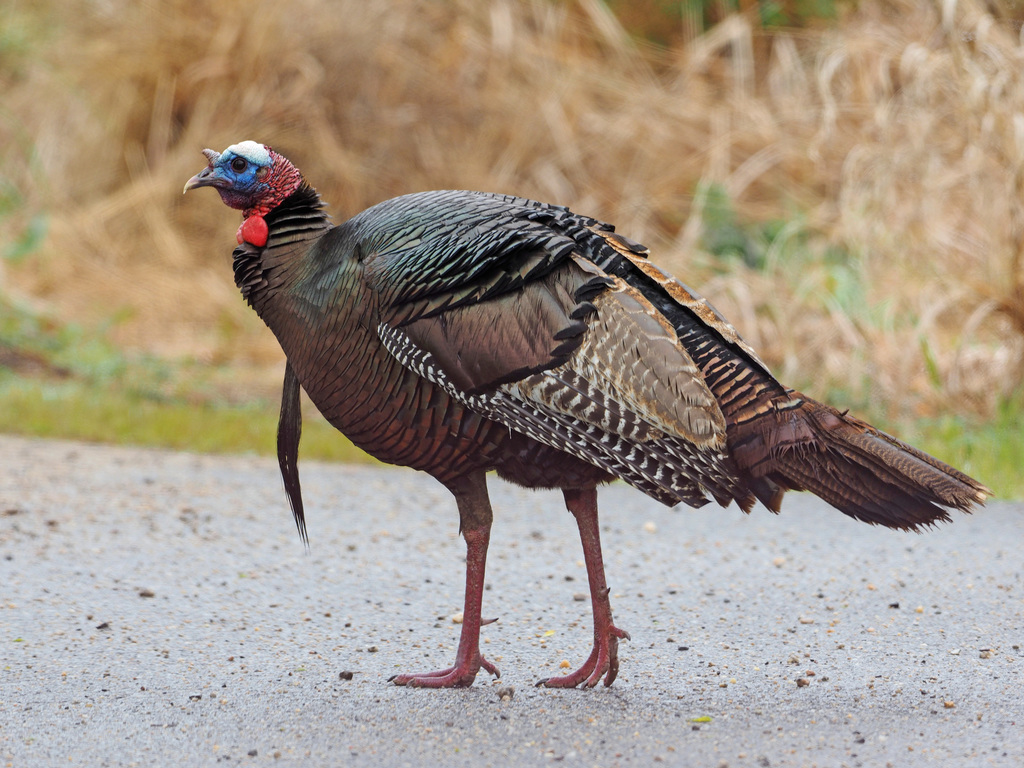
Wild Turkey
Meleagris gallopavoAlso known as Eastern Wild Turkey, American Wild Turkey
Wild turkeys spend their days foraging on forest floors in social flocks, scratching through leaf litter for acorns, seeds, and small invertebrates. During the spring breeding season, dominant males perform elaborate courtship displays, fanning their tail feathers, strutting slowly, and producing booming gobbles that echo up to a mile away. At dusk, these heavy birds fly up into the forest canopy to roost safely in mature tree branches overnight.
FlockingUpland BirdOmnivorous
—observations
—countries
—peak records
Least ConcernConservation statusIUCN Red List categoriesLCNTVUENCREWEXLeast ConcernRed List categories, explained →
Diet & prey
- Acorns
- Insects
- Wild Berries
Predators
- Coyote
- Bobcat
- Great Horned Owl
ThreatsHabitat loss, nest predation, harsh winter weather
HabitatsHardwood forests, open woodlands, pasture edges, brushy clearings
Life span3–5 years in the wild
Size / weightNot available
Classification
- OrderGalliformes
- FamilyPhasianidae
- GenusMeleagris
- SpeciesMeleagris gallopavo
Range data is not available yet.
Interaction riskLow
- Low
- Moderate
- High
- Very high
- Why interaction risk is low
- Dominant males can become aggressive when defensive; give displaying males and nesting groups plenty of space.
Responsible observation
- Keep Distance: Observe displaying males and nesting hens from a respectful distance to avoid triggering aggressive behavior.
- Avoid Feeding: Supplemental feeding causes habituation and increases aggressive behavior toward humans in suburban areas.
- Look Up at Dusk: Scan mature trees along forest edges near sunset to spot large flocks roosting high off the ground.
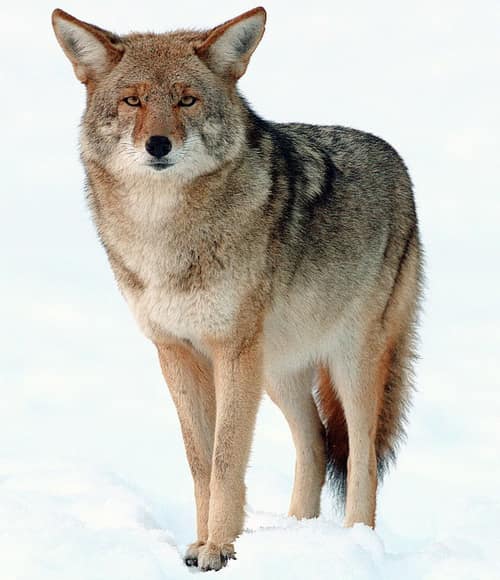
Predator Yathin S Krishnappa / CC BY-SA 3.0 · cc-by-sa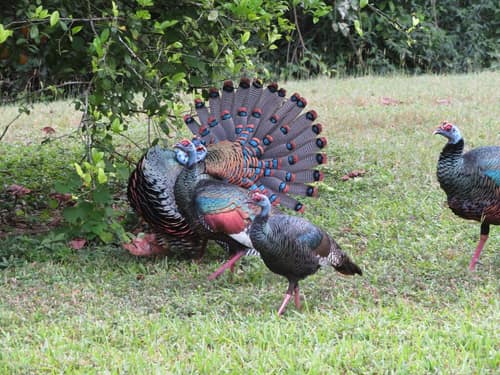
Close Relative (c) sprcrkwild, some rights reserved (CC BY) · cc-by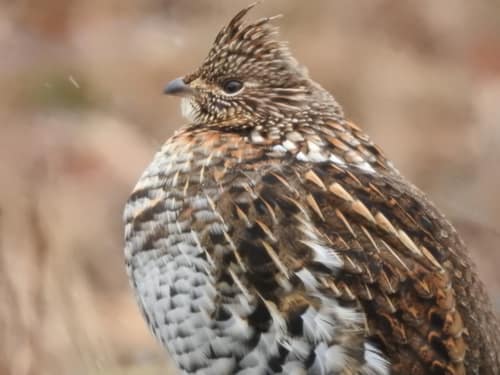
Gallinaceous Relative (c) Alexis Godin, some rights reserved (CC BY), uploaded by Alexis Godin · cc-by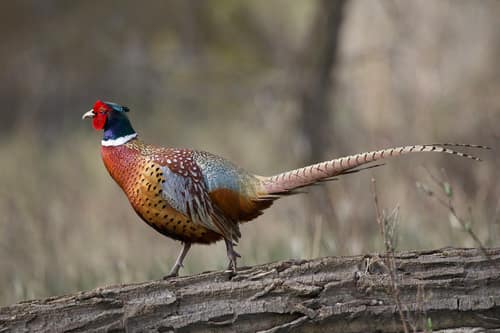
Family Member (c) John Krampl, some rights reserved (CC BY), uploaded by John Krampl · cc-by
Help improve the field guideSomething wrong?
Checking your Fauna account…Report a name, category, or profile issue for review.