
Bird
Fawn-breasted Waxbill
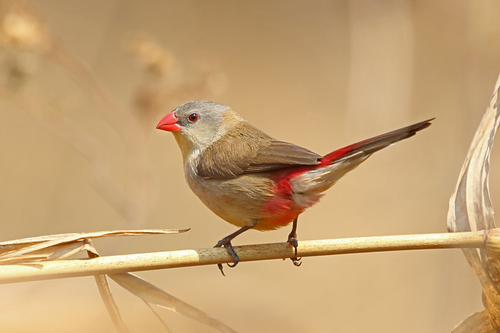
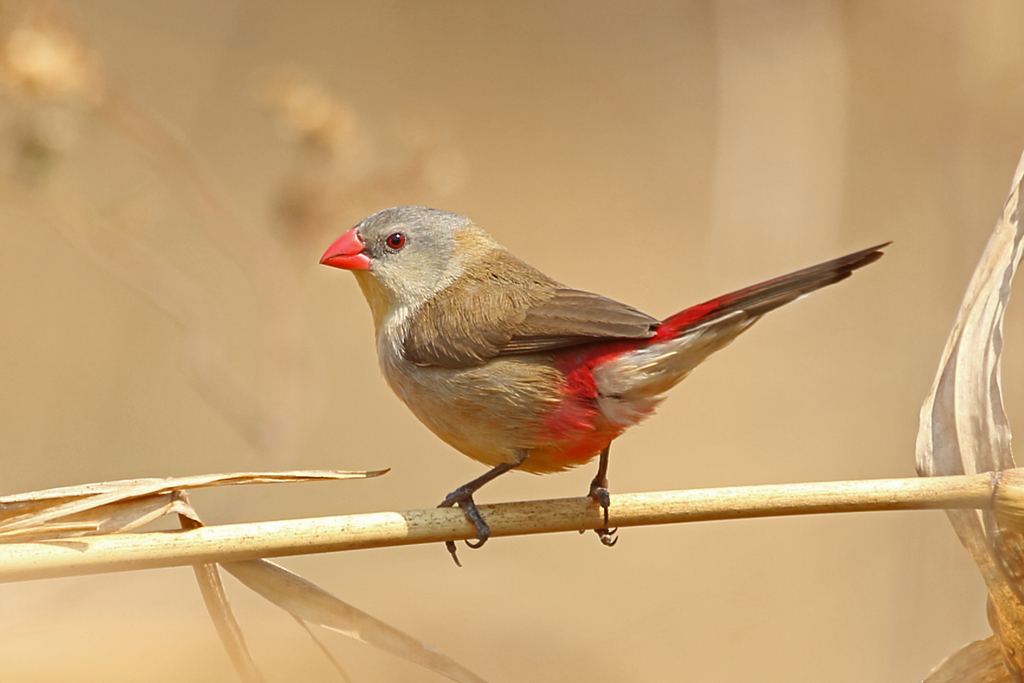
Estrilda paludicolaFawn-breasted waxbills travel in chattering flocks through tall, damp grasslands, marsh edges, and wooded savannas across central Africa, clinging sideways to grass stems to pluck tiny seeds. Both sexes sport a bright coral-red bill, pale grayish-brown head, olive-brown back, and warm buff underparts accented by a crimson rump. Pairs weave dome-shaped nests from fine grasses tucked low in dense vegetation, where both parents share incubation and chick-rearing duties.
FlockingSeed-eaterGrassland Bird
—observations
—countries
—peak records
Least ConcernConservation statusIUCN Red List categoriesLCNTVUENCREWEXLeast ConcernRed List categories, explained →
Diet & preyGrass seeds, Termites, Small spiders
Predators
- Shikra
- Common Fiscal
- Snakes
ThreatsLocalized wetland drainage, habitat degradation, and cage-bird trapping
HabitatsDamp grasslands, marsh edges, reedbeds, and wooded savannas in central Africa
Life span3–5 years in the wild
Classification
- OrderPasseriformes
- FamilyEstrildidae
- GenusEstrilda
- SpeciesEstrilda paludicola
Range data is not available yet.
Interaction riskLow
- Low
- Moderate
- High
- Very high
- Why interaction risk is low
- Safe to observe at a normal distance.
Responsible observation
- Binoculars: Scan tall grass stems and reedbeds near water, where flocks cling while feeding.
- Sound: Listen for high, thin, tinkling contact calls that reveal flocks hidden in dense grass.
- Nesting: Keep a respectful distance from low, dome-shaped grass nests to avoid causing abandonment.
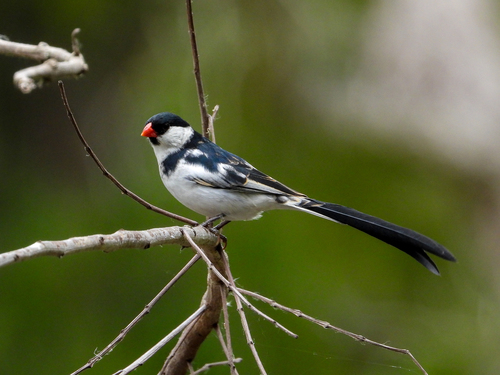
Brood Parasite (c) James M. Maley, some rights reserved (CC BY), uploaded by James M. Maley · cc-by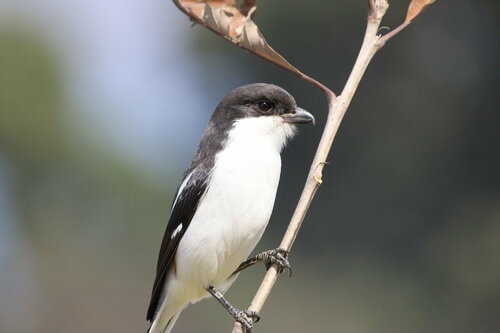
Predator (c) Paul Hoekman, some rights reserved (CC BY), uploaded by Paul Hoekman · cc-by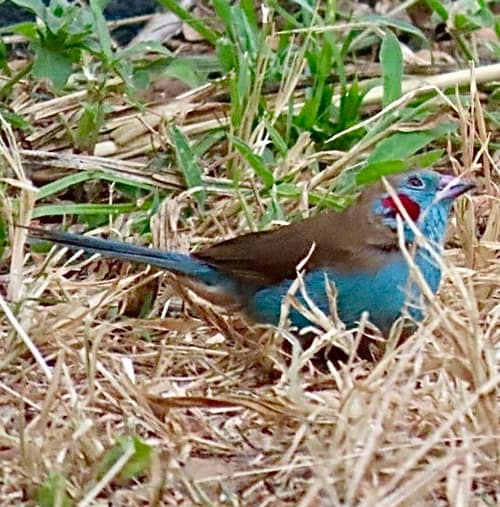
Frequent Companion no rights reserved · cc0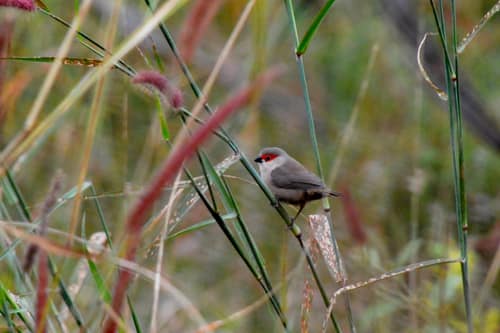
Close Relative (c) Douglas, some rights reserved (CC BY), uploaded by Douglas · cc-by Image unavailable
Close Relative
Help improve the field guideSomething wrong?
Checking your Fauna account…Report a name, category, or profile issue for review.