
Bird · GBIF taxon 9584698
Lesser Kestrel
Falco naumanniAlso known as Naumann's Falcon
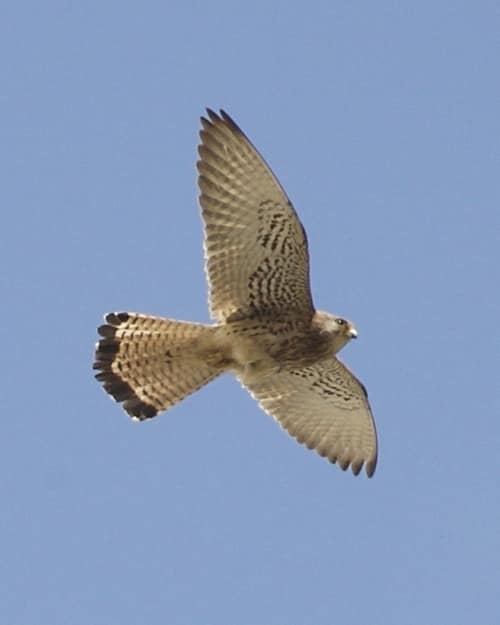
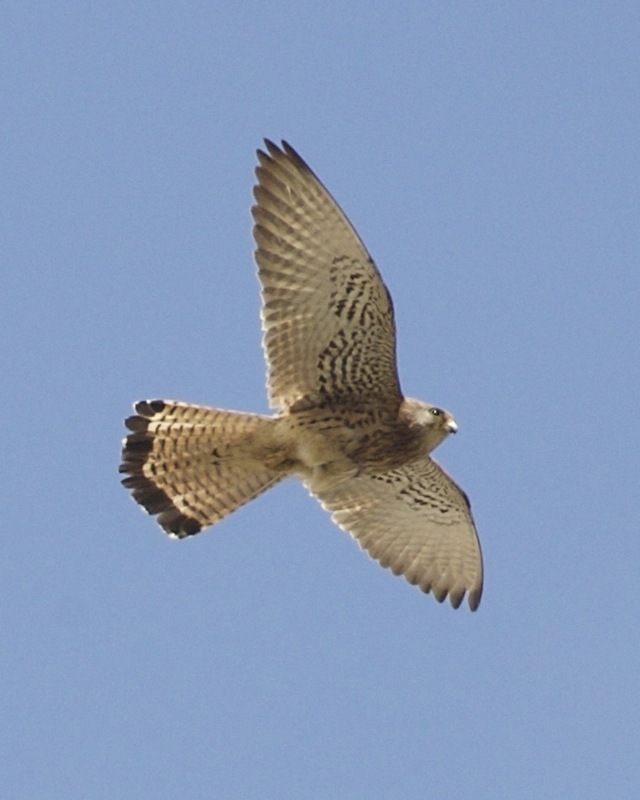
Lesser kestrels build loose nesting colonies in crevices of ancient masonry, tiled roofs, and rocky cliffs across warm, open steppes and farmlands. These social falcons forage in groups, hovering delicately before dropping onto grasshoppers, beetles, and small lizards. Seasonal migrations carry large flocks south across the Mediterranean into African savannas each autumn.
MigratoryRaptorColonial
—observations
—countries
—peak records
Least ConcernConservation statusIUCN Red List categoriesLCNTVUENCREWEXLeast ConcernRed List categories, explained →
Diet & prey
- Grasshoppers
- Beetles
- Small Lizards
Predators
- Eagles
- Owls
- Falcons
ThreatsAgricultural intensification, pesticide use, loss of nesting sites
HabitatsSteppe, pastures, open agricultural land, dry grasslands, scrubland
Life span6–10 years
Size / weightNot available
Classification
- FamilyFalconidae
- SpeciesFalco naumanni
Range data is not available yet.
Interaction riskLow
- Low
- Moderate
- High
- Very high
- Why interaction risk is low
- Safe to observe from a respectful distance without disturbing nesting colonies.
- What to notice
- Look for small falcons with unspotted reddish brown backs and pale whitish claws nesting colonially in old buildings or cliffs.
- Support conservation
- Maintain a respectful distance from nesting colonies to avoid provoking nest abandonment or distress.
Responsible observation
- Observe Colonies: Look for nesting groups around old masonry structures and cliffs during late spring.
- Watch Foraging: Spot them hovering over unpaved fields and pastures to pinpoint hunting activity.
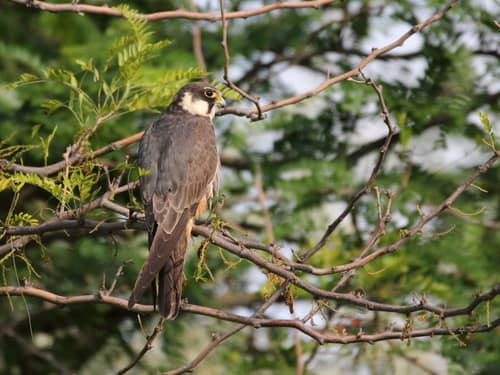
Genus Member (c) Ani Sarkisyan, some rights reserved (CC BY), uploaded by Ani Sarkisyan · cc-by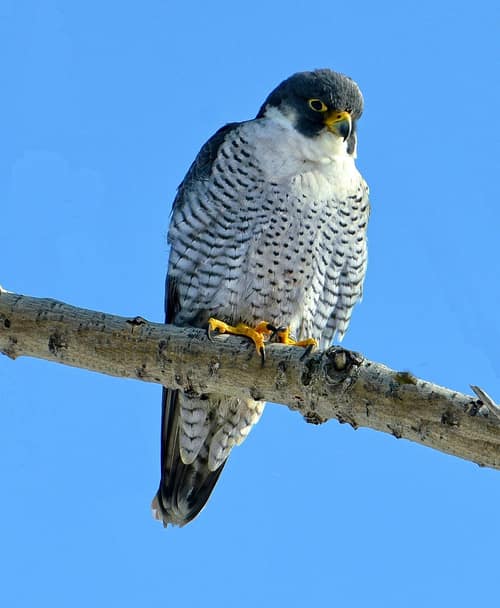
Genus Member Mykola Swarnyk / CC BY-SA 3.0 · cc-by-sa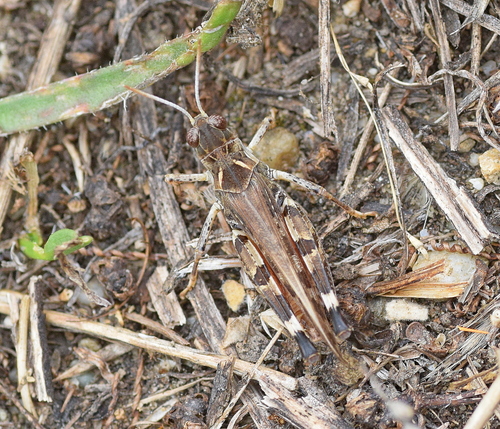
Prey (c) Kostas Zontanos, some rights reserved (CC BY), uploaded by Kostas Zontanos · cc-by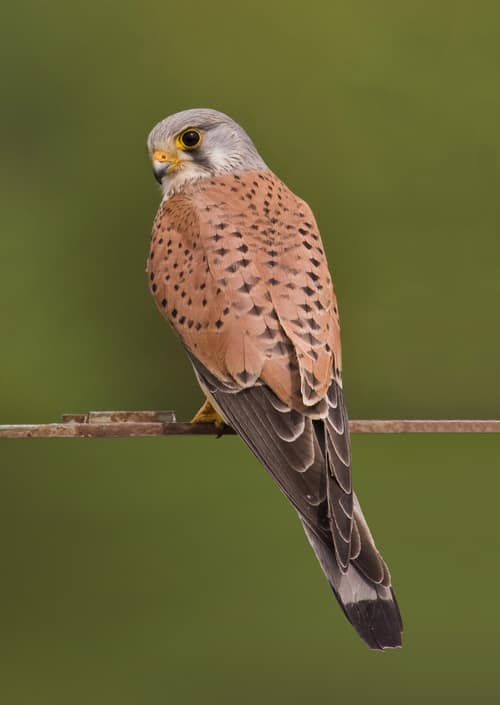
Close Relative Andreas Trepte / CC BY-SA 2.5 · cc-by-sa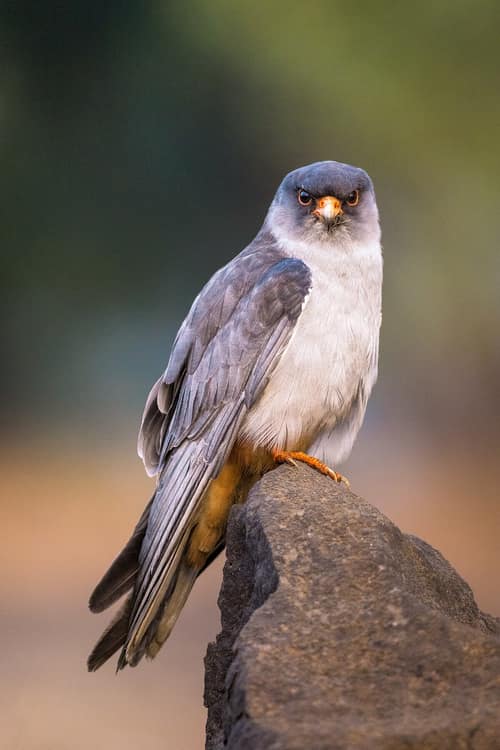
Close Relative Sumeet Moghe / CC BY-SA 4.0 · cc-by-sa
Help improve the field guideSomething wrong?
Checking your Fauna account…Report a name, category, or profile issue for review.