
Bird · GBIF taxon 9581438
American Black Duck
Anas rubripesAlso known as Black Duck, Black Mallard
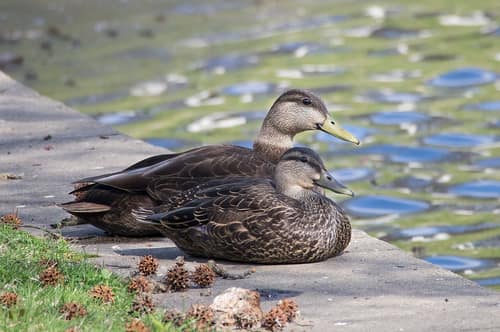
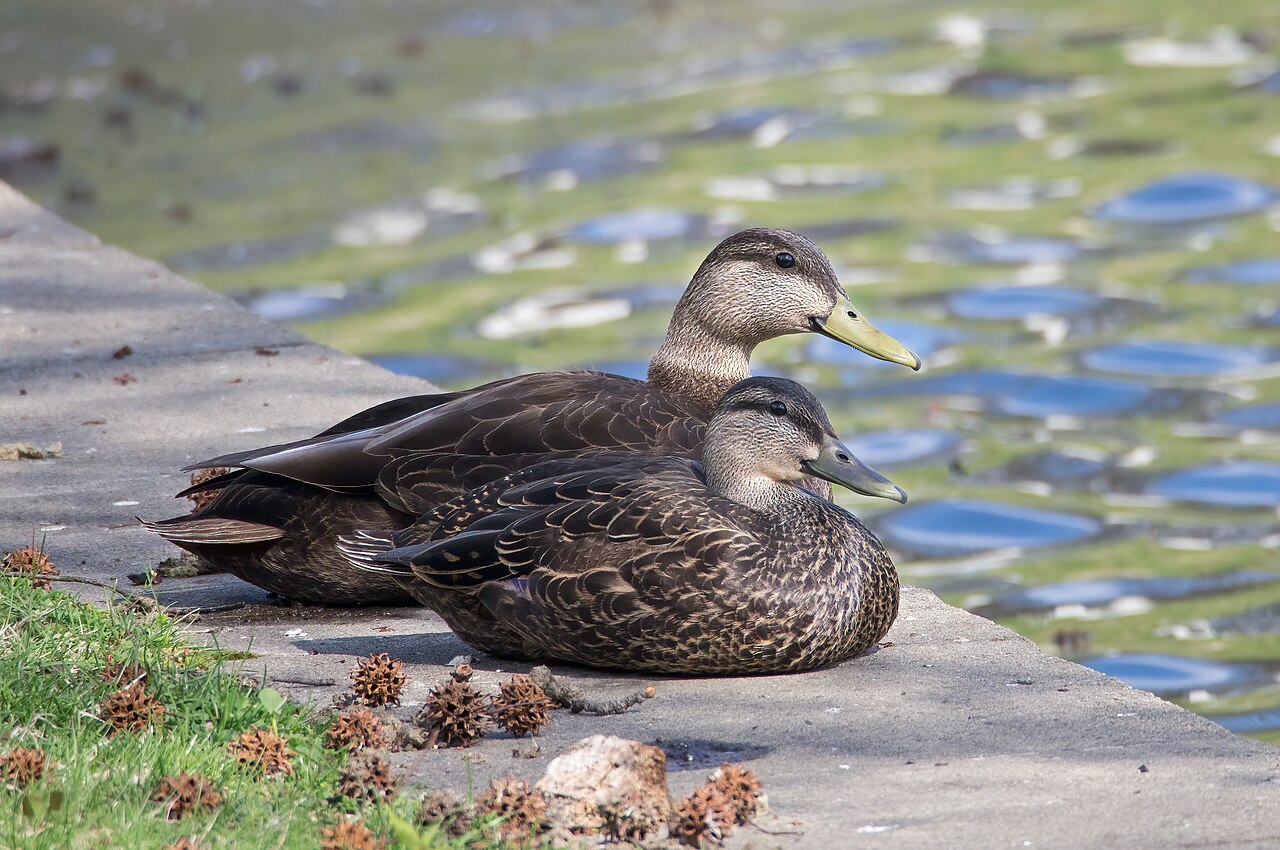
American black ducks forage in coastal salt marshes and freshwater ponds, tipping tail-up to reach aquatic vegetation, invertebrates, and seeds. These heavily built dabblers sport rich chocolate-brown plumage accented by a bright violet-blue wing patch that lacks white borders. Widespread hybridization with mallards and coastal habitat degradation present ongoing conservation challenges across their eastern range.
WaterfowlMigratoryWetland
—observations
—countries
—peak records
Least ConcernConservation statusIUCN Red List categoriesLCNTVUENCREWEXLeast ConcernRed List categories, explained →
Diet & prey
- Eelgrass
- Aquatic Invertebrates
- Snails
Predators
- Bald Eagle
- Peregrine Falcon
- Red Fox
ThreatsHybridization with Mallards, wetland loss, lead poisoning
HabitatsSalt marshes, estuaries, freshwater ponds, flooded forests
Life span10–15 years in the wild
Size / weightNot available
Classification
- OrderAnseriformes
- FamilyAnatidae
- GenusAnas
- SpeciesAnas rubripes
Range data is not available yet.
Interaction riskLow
- Low
- Moderate
- High
- Very high
- Why interaction risk is low
- Safe to observe at a normal distance.
Responsible observation
- Spotting key traits: Look for dark chocolate body plumage and a purple-blue wing patch lacking trailing white edges.
- Wintering habitats: Search coastal bays, estuaries, and salt marshes when northern inland waters freeze.
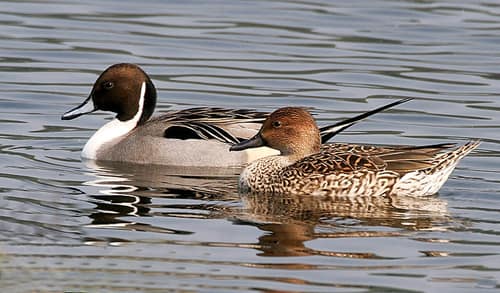
Frequent Companion J.M.Garg / CC BY-SA 3.0 · cc-by-sa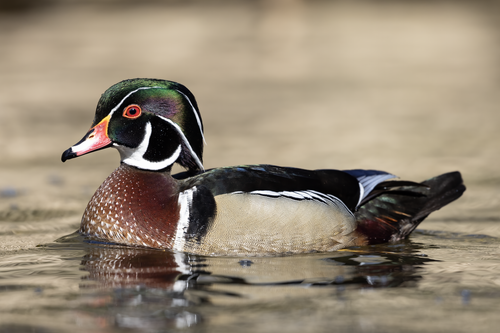
Co-occurring Species Chuck Homler d/b/a FocusOnwWildlife / CC BY-SA 4.0 · cc-by-sa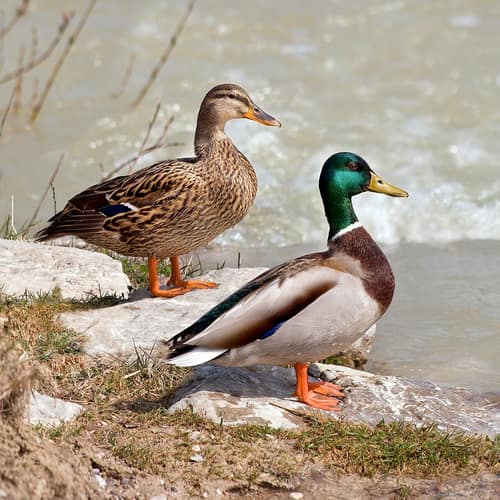
Close Relative This picture was realized by Richard Bartz by using a Canon EF 70-300mm f/4-5.6 IS USM Lens / CC BY-SA 2.5 · cc-by-sa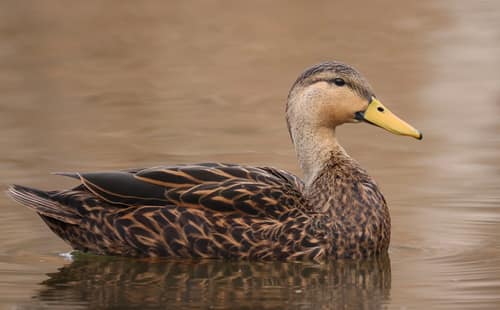
Close Relative no rights reserved, uploaded by Andy Wilson · cc0
Keep collecting in Fauna
Found in Collections
Species set Pro
Farm Friends
American Black Duck is found in this collection. Identify it in Fauna to fill this slot and continue your progress.
Unlock to track progress
Help improve the field guideSomething wrong?
Checking your Fauna account…Report a name, category, or profile issue for review.