
Bird
Brown Creeper
Certhia americanaAlso known as American Treecreeper
Brown creepers spiral upward along forest tree trunks, using their stiff tail feathers for support as they probe furrowed bark for hidden insects with their slender, downcurved bills. Their mottled brown and buff plumage provides near-perfect camouflage against tree bark, making them far easier to spot by their high-pitched, delicate calls than by sight. Upon reaching the upper canopy of one tree, they flutter down to the base of an adjacent tree to begin climbing again.
CamouflagedSongbirdInsectivore
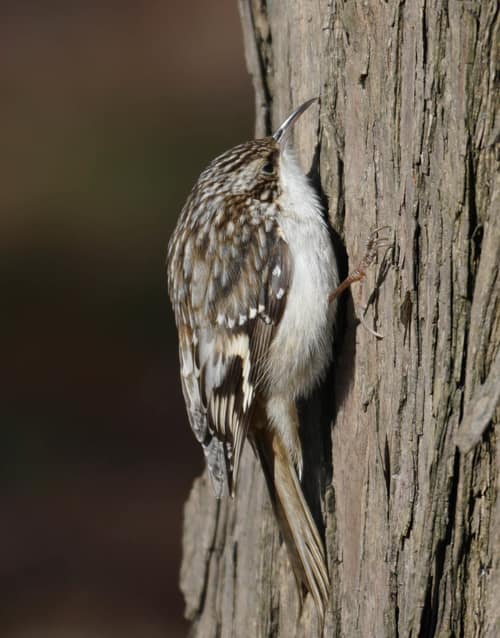
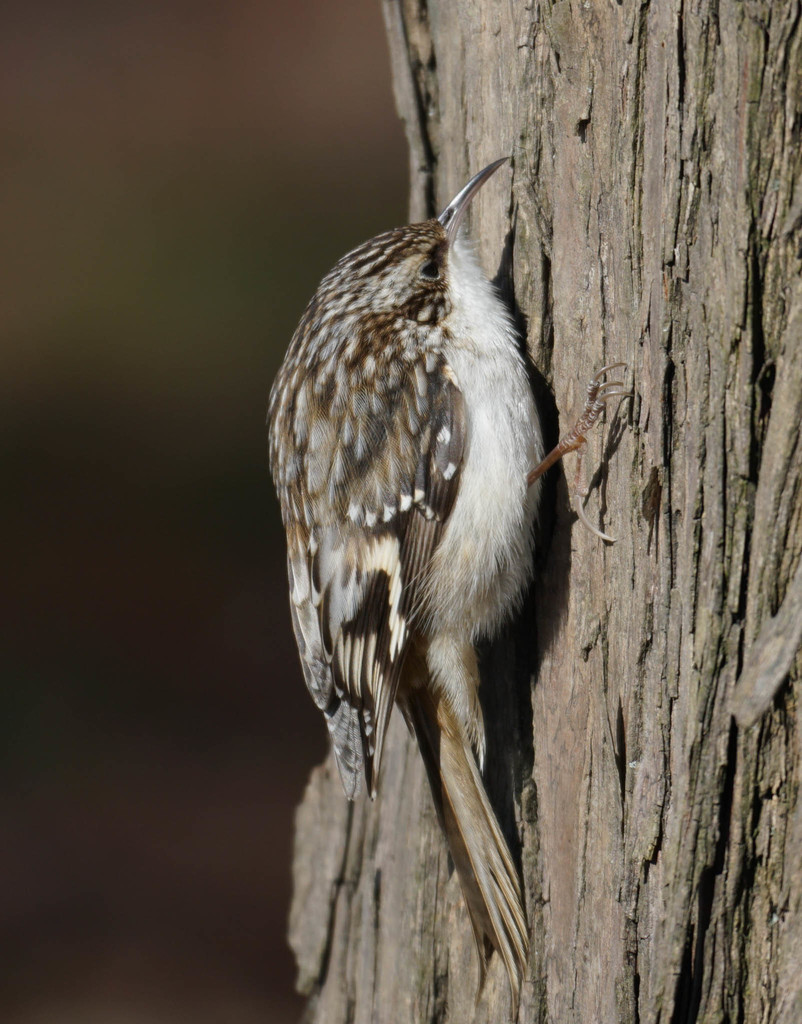
—observations
—countries
—peak records
Least ConcernConservation statusIUCN Red List categoriesLCNTVUENCREWEXLeast ConcernRed List categories, explained →
Diet & preySpiders, Bark Beetles, Insect Eggs
Predators
- Sharp-shinned Hawk
- Eastern Screech-Owl
- Domestic Cat
ThreatsHabitat fragmentation, loss of mature forests and dead standing trees
HabitatsMature coniferous and mixed forests, woodlands
Life span3–5 years
Classification
- OrderPasseriformes
- FamilyCerthiidae
- GenusCerthia
- SpeciesCerthia americana
Range data is not available yet.
Interaction riskLow
- Low
- Moderate
- High
- Very high
- Why interaction risk is low
- Safe to observe at a normal distance.
Responsible observation
- Listening for Calls: Listen for extremely high, thin, lisping contact calls that sound like a tiny bell.
- Scanning Tree Trunks: Watch for subtle movement hitching upward around the lower trunks of mature conifers.
- Preserving Snags: Maintain dead trees and loose-barked snags where these birds nest under peeling bark.
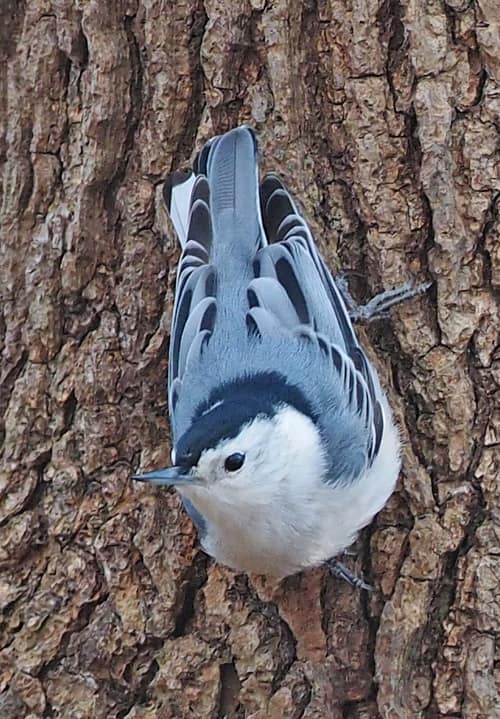
Foraging Competitor (c) Judy Gallagher, some rights reserved (CC BY) · cc-by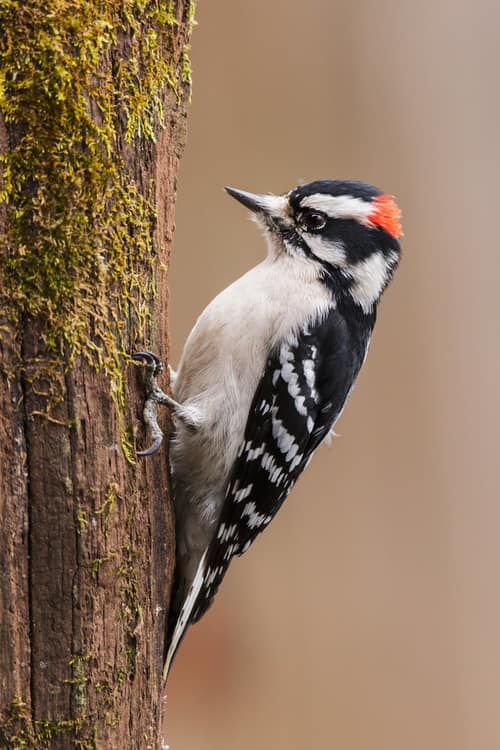
Bark Forager "Male Downy Woodpecker" by ShenandoahNPS is marked with Public Domain Mark 1.0. To view the terms, visit https://creativecommons.org/publicdomain/mark/1.0/. · cc0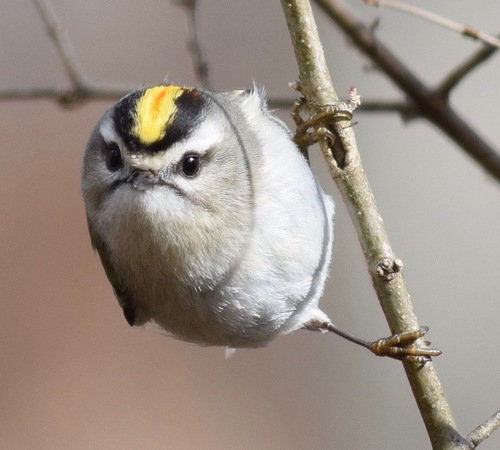
Frequent Companion (c) skitterbug, some rights reserved (CC BY), uploaded by skitterbug · cc-by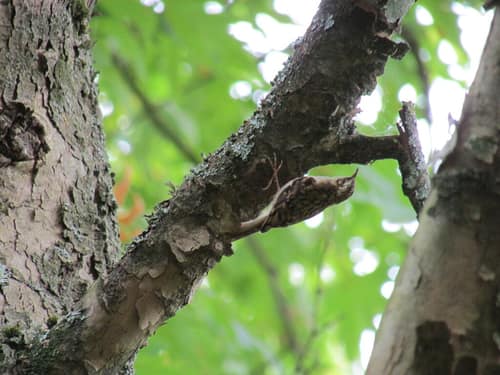
Close Relative (c) Fionn Ó Marcaigh, some rights reserved (CC BY) · cc-by
Help improve the field guideSomething wrong?
Checking your Fauna account…Report a name, category, or profile issue for review.