
Mammal
Anoplotherium commune
Anoplotherium communeAlso known as Common Anoplothere, Cuvier's Anoplothere
Anoplotherium commune possessed an unusual blend of anatomical traits, featuring an unbroken dental arcade with no gap between the incisors and cheek teeth, alongside a remarkably thick, muscular tail. Skeletal biomechanics suggest this heavy herbivore could prop itself into a tripod using its hind legs and tail to reach high foliage in ancient canopies. The lineage vanished during the Grande Coupure extinction event as Western Europe shifted from warm, dense subtropical forests toward cooler, open terrain.
FossilHerbivore
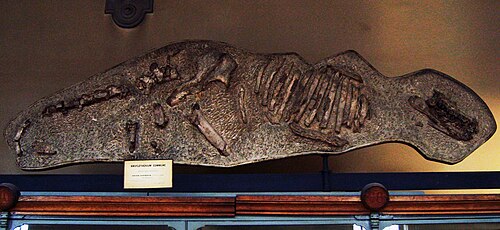
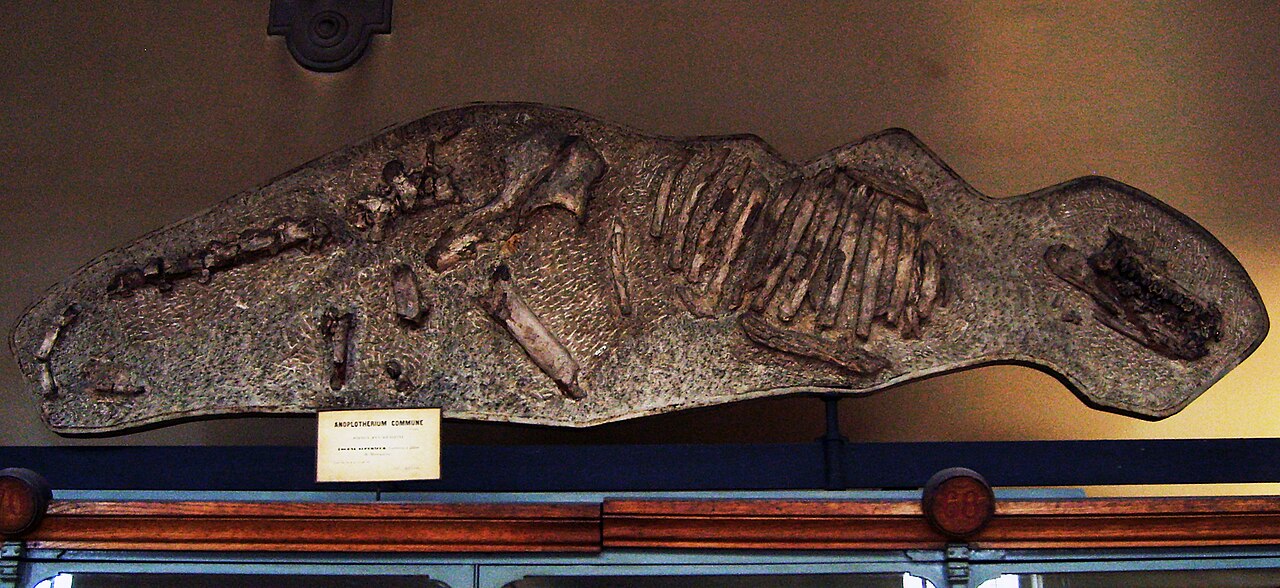
—observations
—countries
—peak records
ExtinctConservation statusIUCN Red List categoriesLCNTVUENCREWEXExtinctRed List categories, explained →
Diet & preyFoliage, Soft shoots, Fallen fruit
Predators
- Hyaenodontids
ThreatsClimatic cooling and floral turnover at the Eocene–Oligocene boundary
HabitatsDense subtropical forests and floodplain woodlands
Life spanEstimated 15–25 years
Classification
- OrderArtiodactyla
- FamilyAnoplotheriidae
- GenusAnoplotherium
- SpeciesAnoplotherium commune
Range data is not available yet.
Interaction riskLow
- Low
- Moderate
- High
- Very high
- Why interaction risk is low
- Extinct prehistoric species known only from fossil remains.
Responsible observation
- Museum Exhibits: Look for mounted fossil casts in major European natural history collections to inspect its heavy tail.
- Dental Observation: Examine skull displays to spot the continuous tooth row lacking a canine gap, unique among early ungulates.
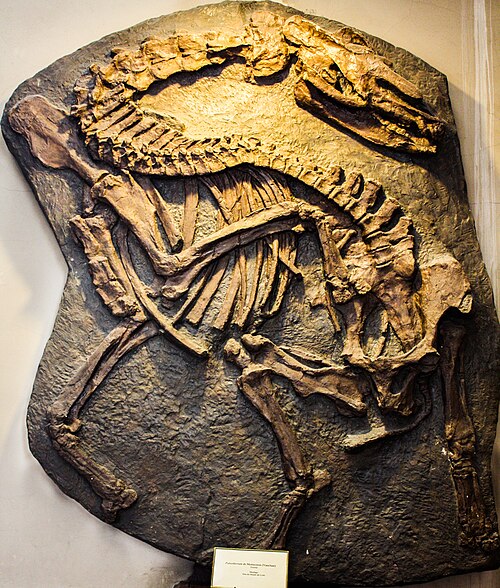
Neighbor Shadowgate from Novara, ITALY / CC BY 2.0 · cc-by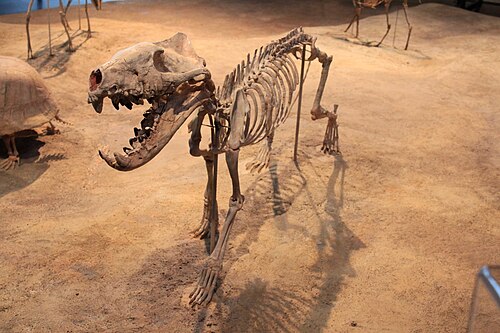
Predator Ryan Somma / CC BY 2.0 · cc-by Image unavailable
Neighbor Close Relative
Help improve the field guideSomething wrong?
Checking your Fauna account…Report a name, category, or profile issue for review.