
Insect
Trilobite Beetle
Platerodrilus paradoxusAlso known as Malayan Trilobite Larva
Females of this extraordinary beetle retain a larval body shape into adulthood, brandishing broad, flattened armor plates that closely resemble extinct marine trilobites. In stark contrast, adult males are diminutive, fully winged insects that look like typical net-winged beetles and live only long enough to mate. Crawling through the damp leaf litter of Southeast Asian rainforests, females graze on fungi and liquefied organic matter in decaying timber.
NeotenicRainforestArmor-Plated
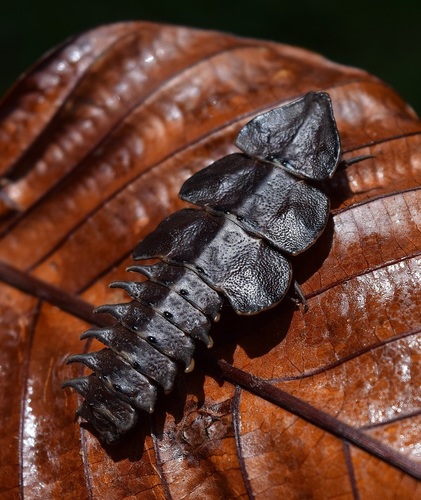
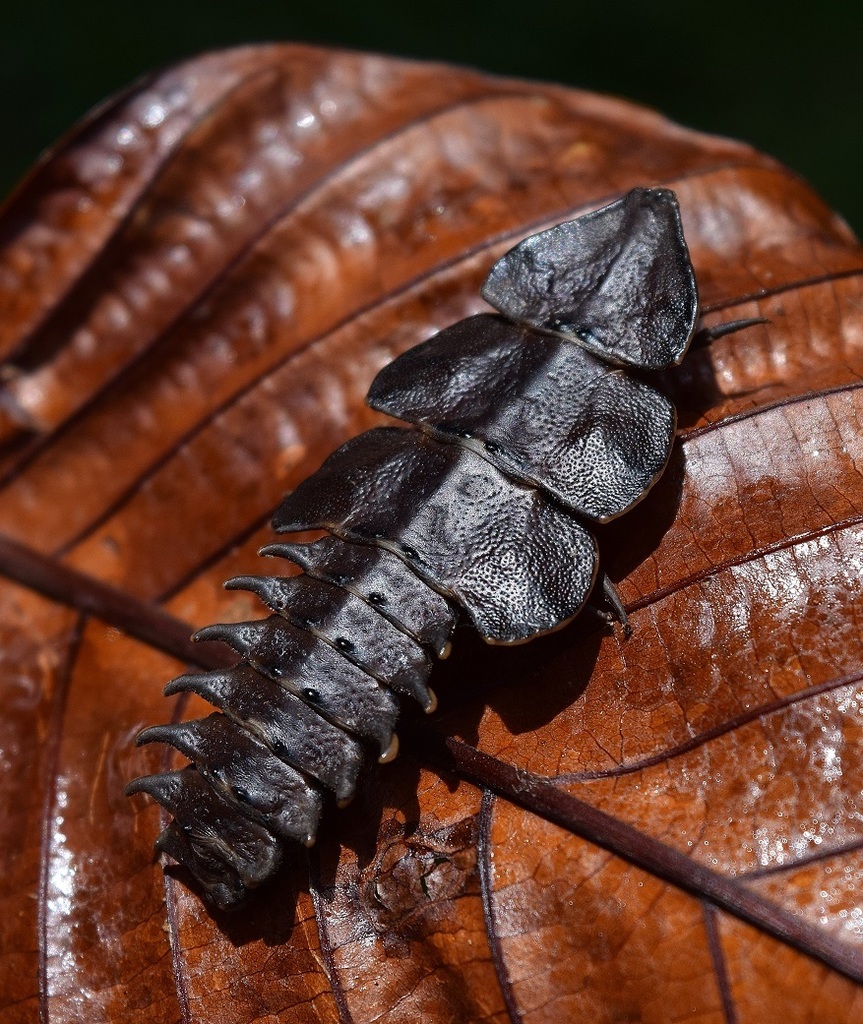
—observations
—countries
—peak records
Not EvaluatedConservation statusIUCN Red List categoriesLCNTVUENCREWEXNot Evaluated — not placed on the risk ladderRed List categories, explained →
Diet & preyWood-decay fungi, Decaying organic matter, Slime molds
Predators
- Birds
- Small rodents
- Lizards
ThreatsDeforestation, habitat fragmentation, leaf litter disturbance
HabitatsTropical lowland and montane rainforest floor
Life span1–3 years as larva/female; adult males live only a few weeks
Classification
- FamilyLycidae
- SpeciesPlaterodrilus paradoxus
Range data is not available yet.
Interaction riskLow
- Low
- Moderate
- High
- Very high
- Why interaction risk is low
- Safe to observe at a normal distance.
Responsible observation
- Search rotting logs: Look closely around damp, decaying timber on humid mornings.
- Do not disturb: Females rely on intact leaf litter moisture; avoid flipping microhabitats.
- Watch for defensive posture: When stressed, females curl slightly and retract their tiny heads.
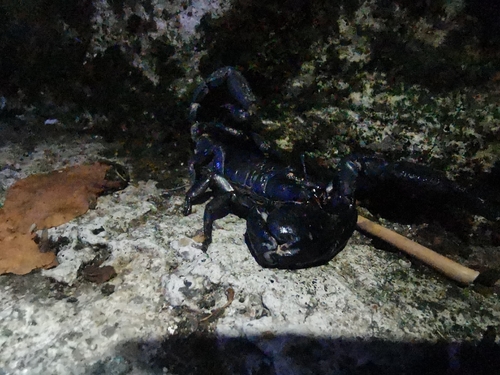
Predator (c) Chris Oldnall, some rights reserved (CC BY-SA), uploaded by Chris Oldnall · cc-by-sa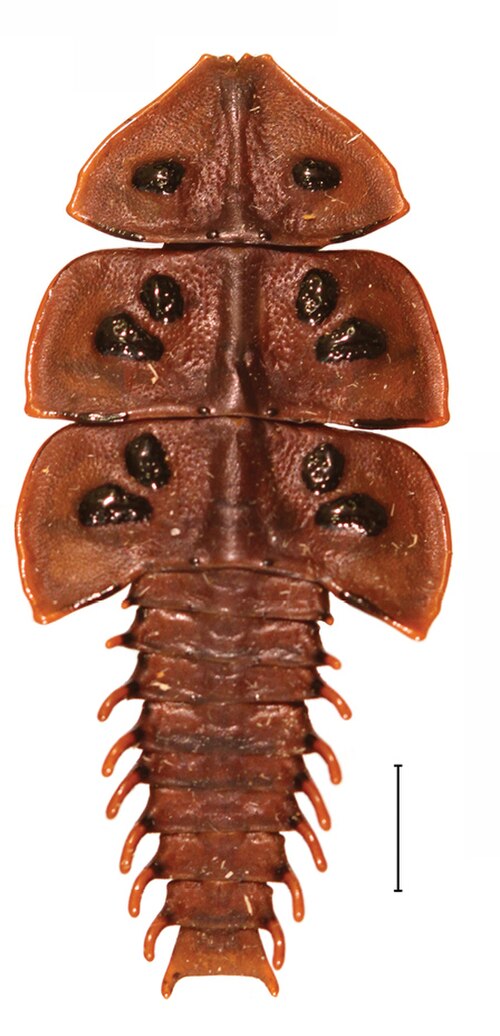
Close Relative Michal Masek & Ladislav Bocak / CC BY 4.0 · cc-by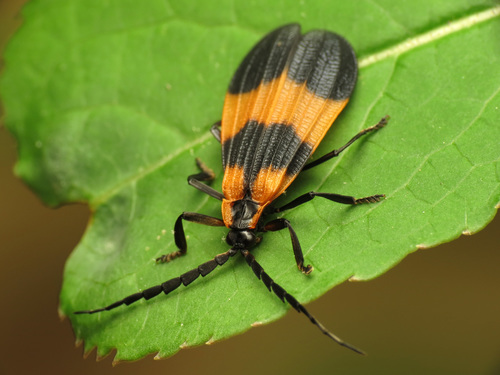
Same Family (c) Katja Schulz, some rights reserved (CC BY) · cc-by
Help improve the field guideSomething wrong?
Checking your Fauna account…Report a name, category, or profile issue for review.