
Flower · GBIF taxon 9561762
Ivy Geranium
Pelargonium peltatumAlso known as Ivy-leaved Pelargonium, Cascading Geranium, Ivy-leaf Geranium
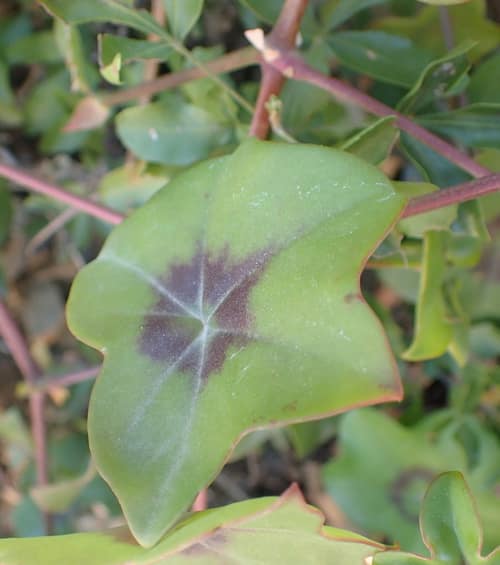
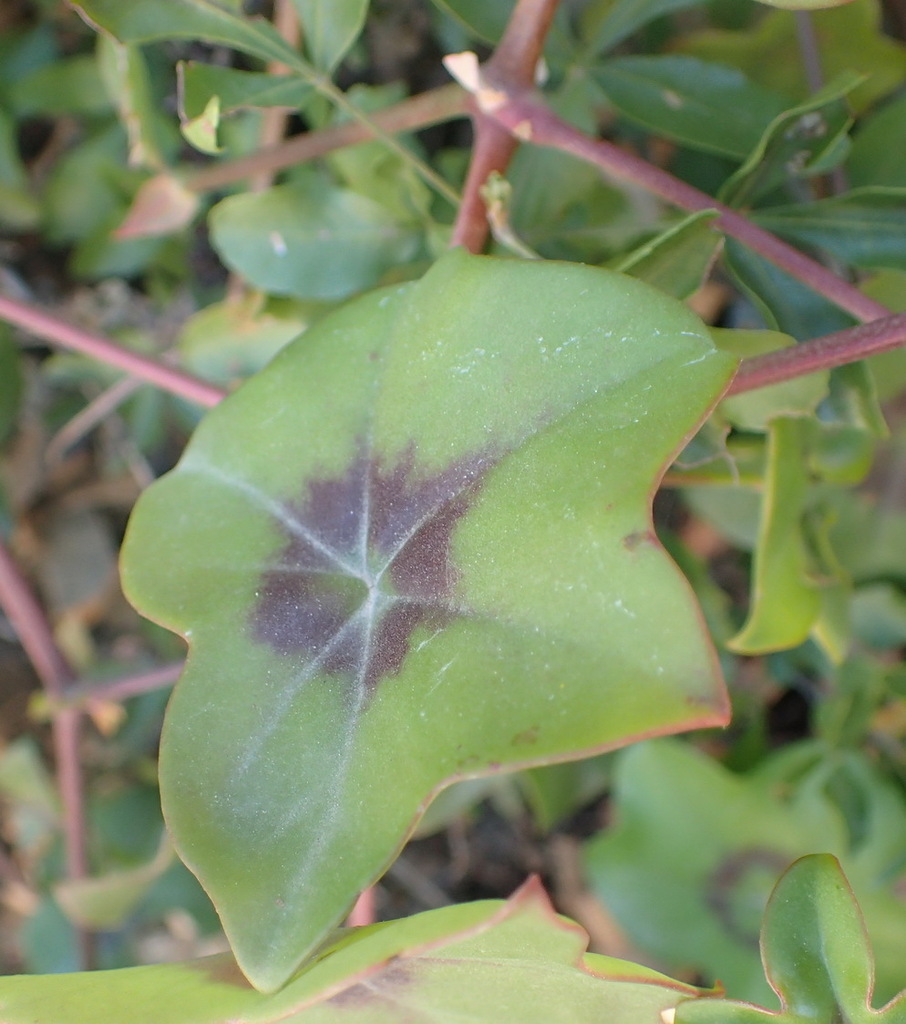
Ivy geranium scrambles through coastal thickets and over rocky outcrops across southern Africa, anchoring its woody stems with fleshy, shield-shaped leaves that conserve moisture in arid winds. Its asymmetric blossoms produce a prolonged display designed to attract long-tongued flies and solitary bees seeking nectar concealed deep within the hollow floral spur. Widely cultivated across temperate zones, it has become one of the most familiar trailing balcony and hanging basket ornamentals worldwide.
Drought-TolerantFloweringSucculent
—observations
—countries
—peak records
Not EvaluatedConservation statusIUCN Red List categoriesLCNTVUENCREWEXNot Evaluated — not placed on the risk ladderRed List categories, explained →
Diet & prey
- Sunlight
- Water
- Well-draining sandy loam
Predators
- Geranium Bronze Caterpillar
- Aphids
- Two-spotted Spider Mite
ThreatsCoastal development, agricultural expansion, severe frost
HabitatsCoastal thickets, fynbos, valley bushveld, rocky hillsides
Life span5–20 years
Size / weightNot available
Classification
- OrderGeraniales
- FamilyGeraniaceae
- GenusPelargonium
- SpeciesPelargonium peltatum
Range data is not available yet.
Interaction riskHigh
- Low
- Moderate
- High
- Very high
- Why interaction risk is high
- Toxic to dogs and cats if ingested; keep trailing plants out of reach of household pets.
- Why it is dangerous
- Contains the terpenes geraniol and linalool, which cause gastrointestinal upset, lethargy, and contact dermatitis in domestic cats and dogs.
- How to recognize a risky encounter
- Look for sprawling or hanging succulent stems bearing circular, five-lobed leaves and clusters of bilateral pink-mauve flowers.
- What to do
- Hang baskets high off the floor and sweep fallen leaves promptly to keep them away from pets.
Responsible observation
- Sunlight: Place in bright, direct sunlight to encourage vivid foliage banding and nonstop blooms.
- Watering: Let the root zone dry out completely between waterings to prevent root rot.
- Pruning: Pinch trailing stem tips periodically to stimulate bushy growth and flower production.

Herbivore (c) Clemens M. Brandstetter, some rights reserved (CC BY-SA) · cc-by-sa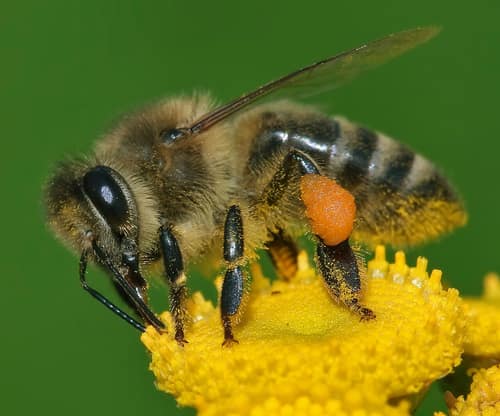
Pollinator Andreas Trepte / CC BY-SA 2.5 · cc-by-sa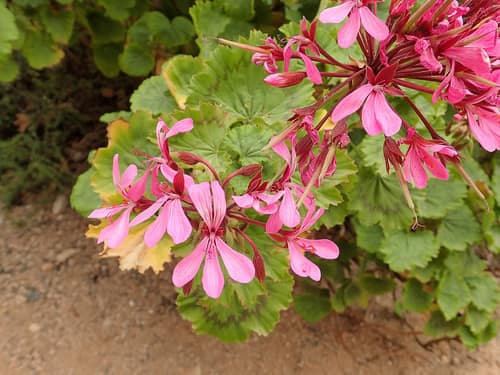
Close Relative Peter Warren / CC0 · cc0 Image unavailable
Close Relative
Help improve the field guideSomething wrong?
Checking your Fauna account…Report a name, category, or profile issue for review.