
Fungus · GBIF taxon 9547019
Purple-bloom Russula
Russula mariaeAlso known as Maria's Russula, Velvety Purple Russula
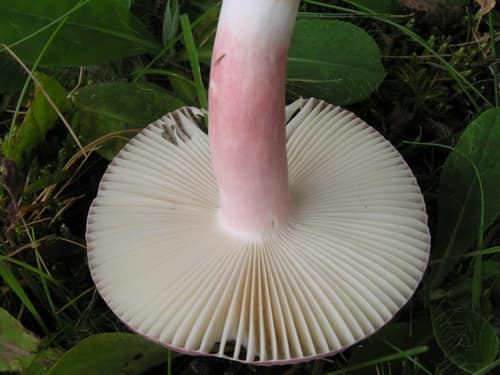
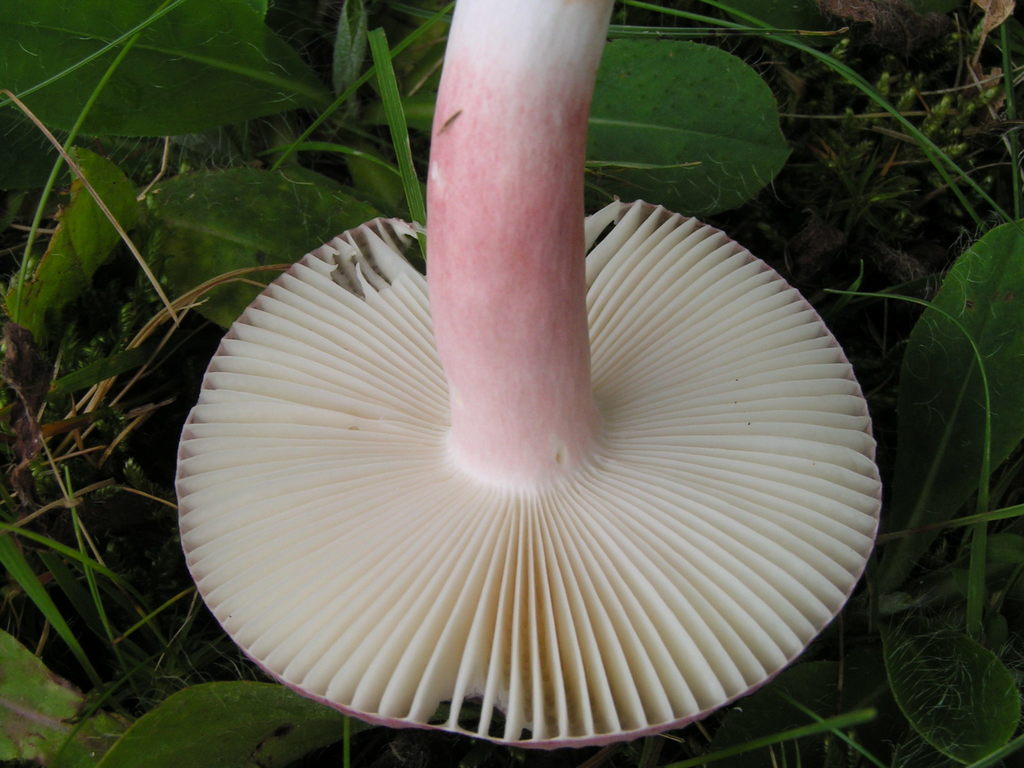
Purple-bloom russulas emerge from forest soil from midsummer through autumn, forming vital mycorrhizal partnerships with hardwood trees like oaks and beeches. Their velvety, reddish-purple caps often display a powdery white bloom when young, contrasting strikingly against white to pale-cream gills that snap easily when pressed. Like many members of its genus, the brittle fruiting body breaks cleanly like chalk rather than tearing into fibrous strands.
FungusVelvetyWoodland
 1 / 7
1 / 7—observations
—countries
—peak records
Not EvaluatedConservation statusIUCN Red List categoriesLCNTVUENCREWEXNot Evaluated — not placed on the risk ladderRed List categories, explained →
Diet & prey
- Mycorrhizal (exchanging soil nutrients with tree roots)
Predators
- Slugs
- Fungus Gnats
- Squirrels
ThreatsDeforestation and soil compaction from heavy foot traffic
HabitatsDeciduous and mixed woodlands, especially near oaks
Life spanFruiting bodies persist 5–10 days; mycelium lives indefinitely
Size / weightNot available
Classification
- OrderRussulales
- FamilyRussulaceae
- GenusRussula
- SpeciesRussula mariae
Range data is not available yet.
Interaction riskLow
- Low
- Moderate
- High
- Very high
- Why interaction risk is low
- Many wild mushrooms have toxic look-alikes; never eat wild fungi based on app identification alone.
Responsible observation
- Check the Texture: Look closely at the cap surface for a velvety texture or subtle chalky bloom.
- Inspect the Gills: Gently press a gill with a fingernail to test for the signature brittle, crisp snapping motion.
- Examine the Stem: Observe if the chalky white stalk carries a faint pink or purple tinge near the top.
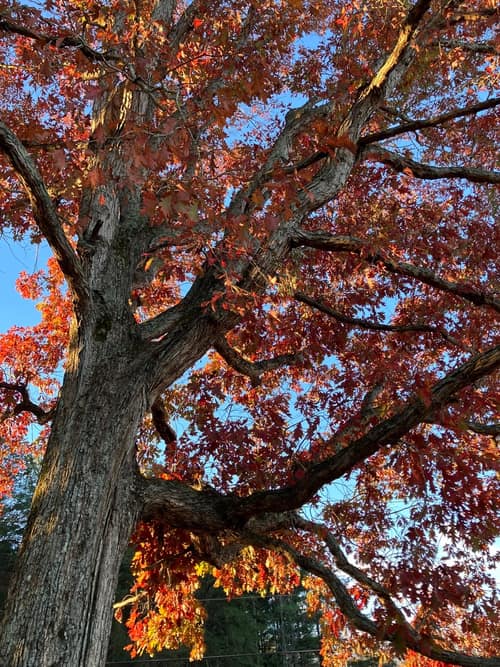
Host Plant (c) Alicia Ballard, some rights reserved (CC BY) · cc-by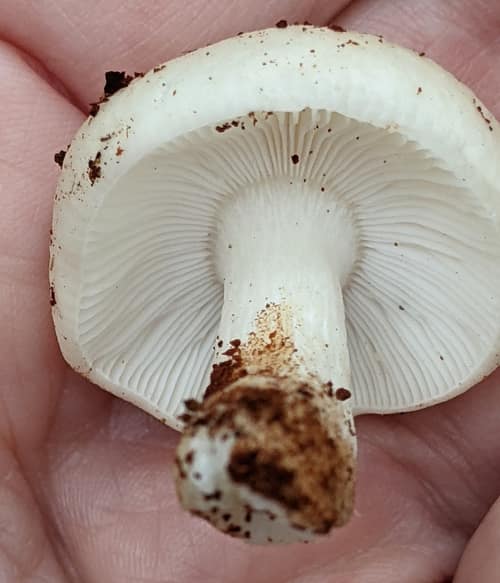
Close Relative (c) Sharon Squazzo, some rights reserved (CC BY), uploaded by Sharon Squazzo · cc-by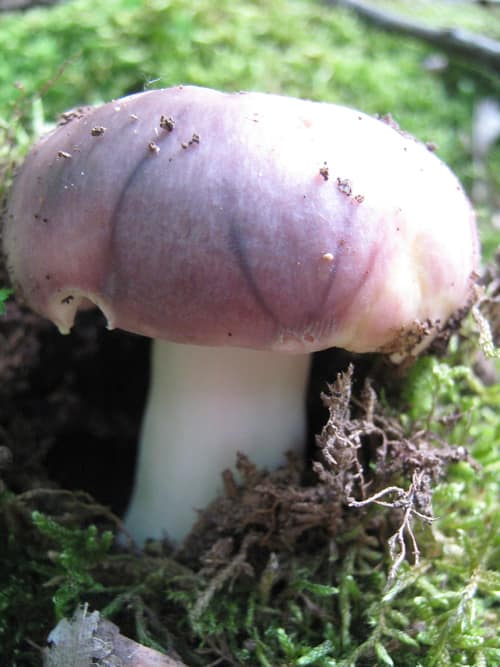
Close Relative (c) GLJIVARSKO DRUSTVO NIS, some rights reserved (CC BY) · cc-by
Help improve the field guideSomething wrong?
Checking your Fauna account…Report a name, category, or profile issue for review.