
Mammal
Mouflon
Ovis gmeliniAlso known as Moufflon, Asiatic Mouflon, Western Mouflon
Mouflon are nimble, rock-scaling wild sheep widely recognized as the primary wild ancestors of domestic sheep. Males brandish massive, sweeping horns that spiral backward over their shoulders and are used in thunderous headbutting clashes during the autumn rut. Herds maintain strict visual vigilance on steep slopes, using agile footing and acute eyesight to evade predators across open montane woodlands and crags.
HerbivoreMountain DwellerHoofed Mammal
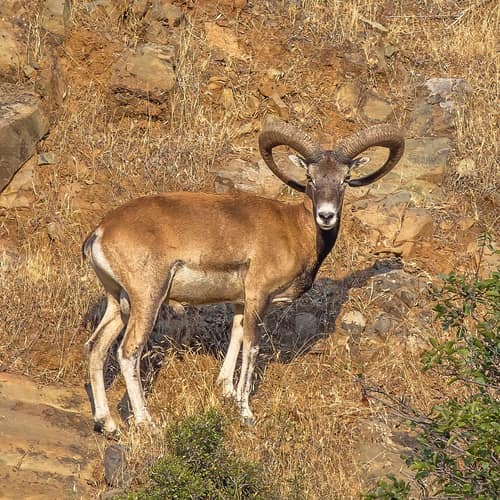
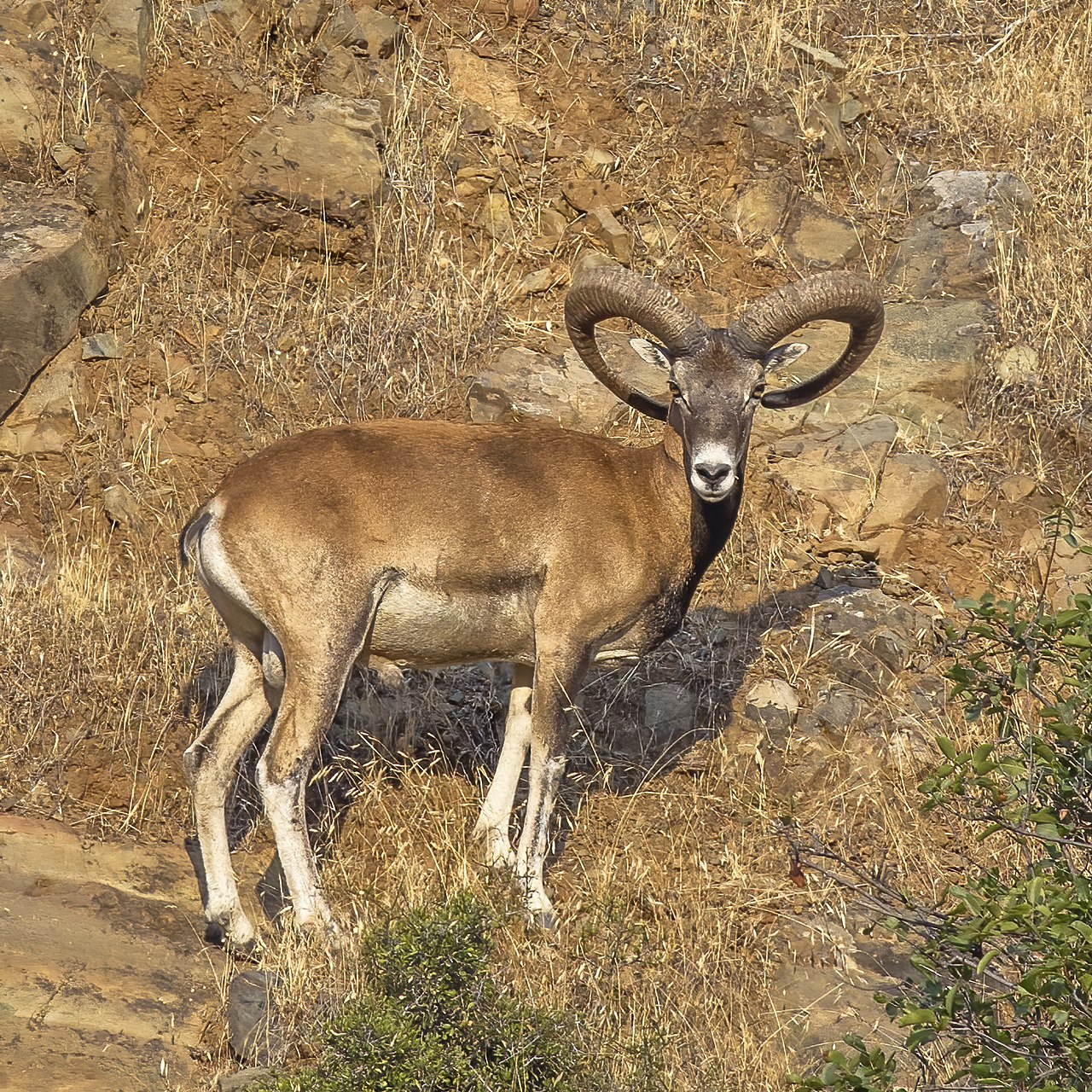
—observations
—countries
—peak records
VulnerableConservation statusIUCN Red List categoriesLCNTVUENCREWEXVulnerableRed List categories, explained →
Diet & preyGrasses, Shrub browse, Forbs
Predators
- Gray Wolf
- Leopard
- Golden Eagle
ThreatsPoaching, habitat fragmentation, competition and disease from livestock
HabitatsSteep rocky slopes, Mediterranean scrub, open montane forests
Life span8–14 years
Classification
- FamilyBovidae
- SpeciesOvis gmelini
Range data is not available yet.
Interaction riskLow
- Low
- Moderate
- High
- Very high
- Why interaction risk is low
- Safe to observe at a normal distance.
- What to notice
- Look for a reddish-brown coat with a white saddle patch, dark throat bib on rams, and curved spiral horns.
- Support conservation
- Maintain a respectful distance using long-range optics, never pursuing or cornering herds in rocky terrain.
Responsible observation
- Viewing Timing: Scan south-facing rocky clearings at dawn and dusk when herds emerge to graze.
- Distance Etiquette: Keep several hundred meters away with spotting scopes to avoid driving herds onto perilous cliffs.
- Watch for Scents: Approach from downwind because their keen sense of smell alerts the herd long before you arrive.
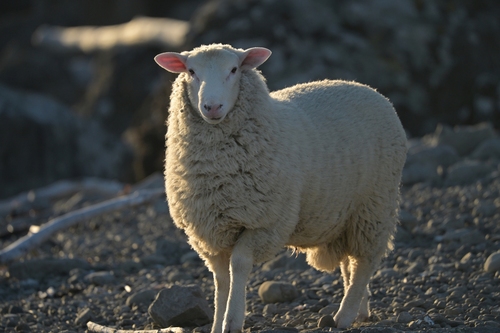
Descendant (c) Christopher Stephens, some rights reserved (CC BY-SA), uploaded by Christopher Stephens · cc-by-sa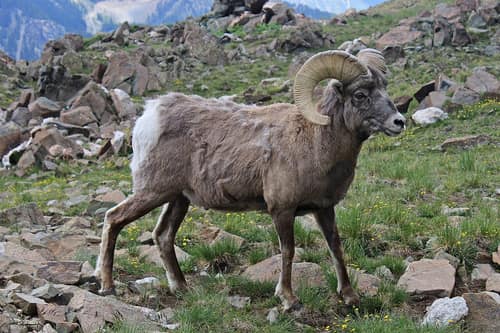
Same Genus Jwanamaker / CC BY-SA 3.0 · cc-by-sa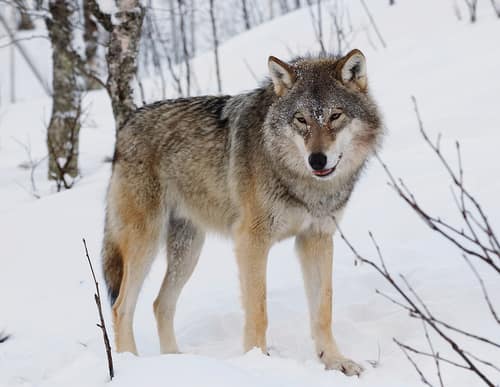
Predator User:Mas3cf / CC BY-SA 4.0 · cc-by-sa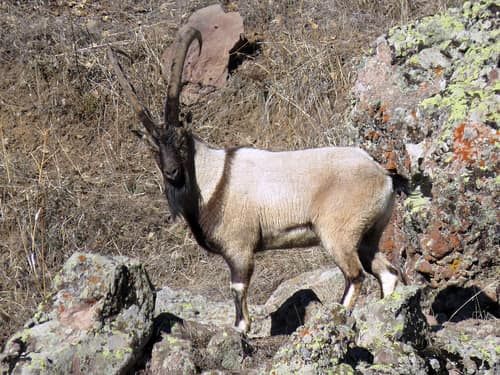
Competitor Alexander Malkhasyan / CC BY-SA 4.0 · cc-by-sa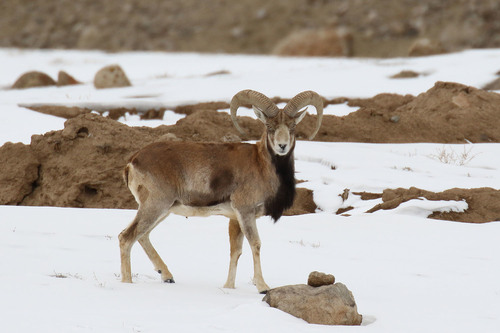
Close Relative (c) Fabrice Stoger, some rights reserved (CC BY-SA) · cc-by-sa
Help improve the field guideSomething wrong?
Checking your Fauna account…Report a name, category, or profile issue for review.