
Species
Mayan Cichlid
Mayaheros urophthalmusAlso known as Mexican Mojarra, Atomic Sunfish, Yellowbelly Cichlid
Mayan cichlids thrive in both freshwater rivers and brackish coastal mangroves, displaying striking orange-red bodies slashed with six to eight dark vertical bars. Bold and aggressively territorial, breeding pairs construct shallow circular nests in muddy substrate and defend their young against intruding fish. Exceptional salinity tolerance and adaptable feeding habits have allowed established non-native populations to flourish across South Florida canals.
FreshwaterAdaptableInvasive
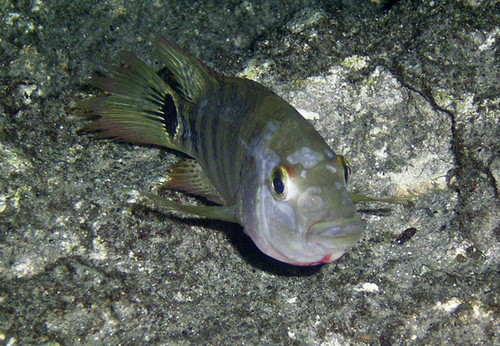
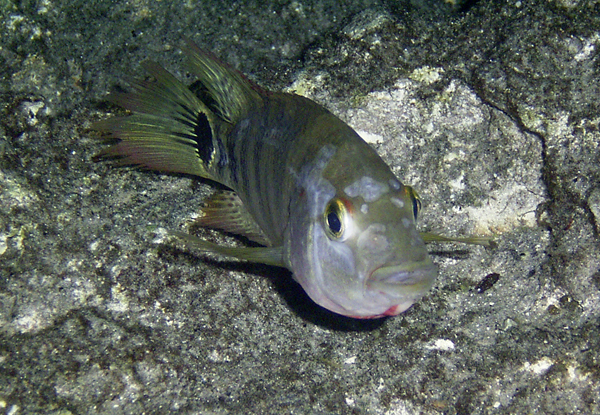
—observations
—countries
—peak records
Least ConcernConservation statusIUCN Red List categoriesLCNTVUENCREWEXLeast ConcernRed List categories, explained →
Diet & preySmall Fish, Aquatic Insects, Crustaceans
Predators
- Largemouth Bass
- Wading Birds
- American Alligators
ThreatsSevere winter freeze events near the northern edge of their introduced range
HabitatsFreshwater rivers, lakes, drainage canals, brackish estuaries, and mangrove swamps
Life span7–11 years
Classification
- OrderPerciformes
- FamilyCichlidae
- GenusMayaheros
- SpeciesMayaheros urophthalmus
Range data is not available yet.
Interaction riskLow
- Low
- Moderate
- High
- Very high
- Why interaction risk is low
- Sharp dorsal fin spines can cause painful pricks if handled directly during angling.
Responsible observation
- Spotting: Search around submerged tree roots, pilings, and canal margins where adults defend territories.
- Handling: Grip firmly behind the gill covers to avoid sharp spines along the dorsal fin.
Competitor (c) Rusty, some rights reserved (CC BY) · cc-by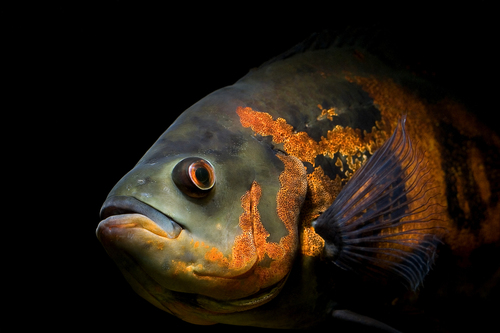
Co-occurring Invasive (c) Amything, some rights reserved (CC BY-SA) · cc-by-sa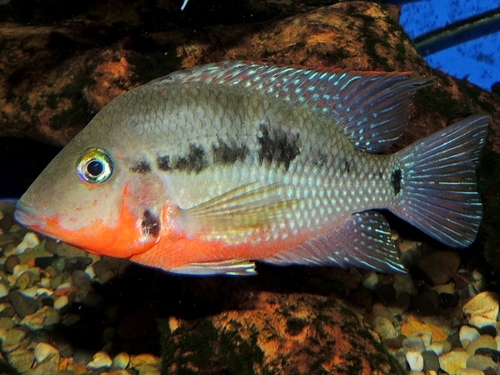
Close Relative (c) Konstantin Gerasimov, some rights reserved (CC BY) · cc-by
Help improve the field guideSomething wrong?
Checking your Fauna account…Report a name, category, or profile issue for review.