
Amphibian · GBIF taxon 9529916
Green Toad
Bufotes viridisAlso known as European Green Toad
The Green Toad has pale skin patterned with irregular green islands and scattered reddish spots. Mostly active after dusk, it walks and hops across open ground and gathers at shallow water to breed with a high trilling call.
Night-active ToadGreen PatternTemporary Pools
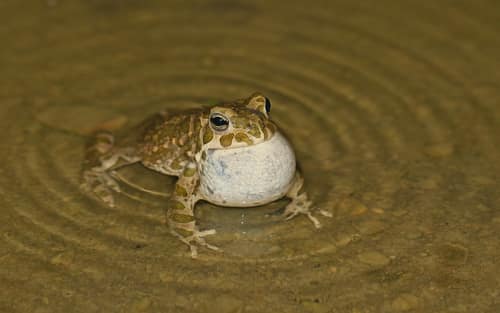
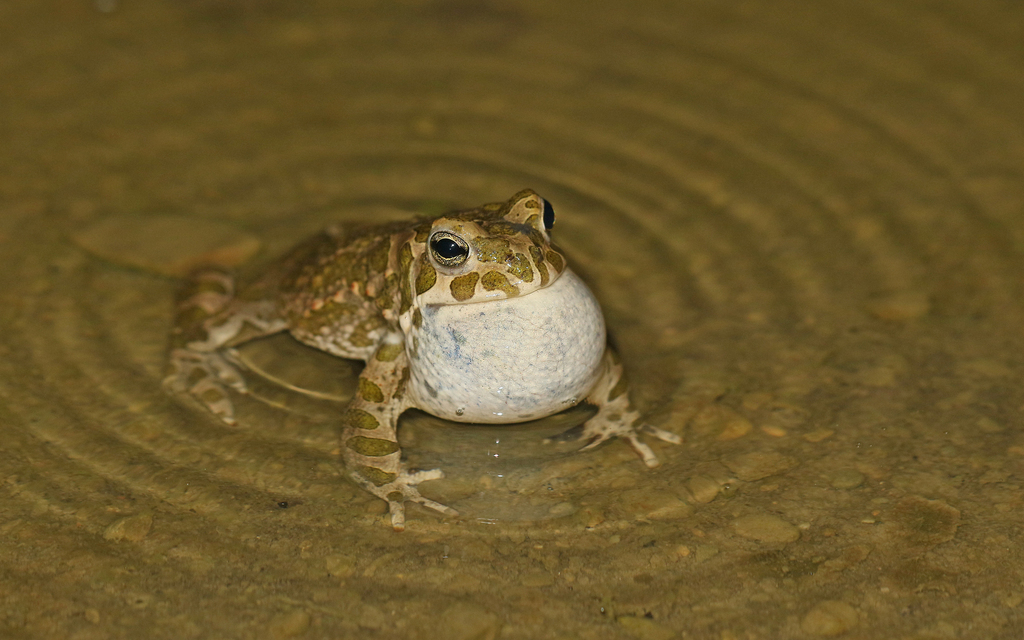 1 / 7
1 / 7—observations
—countries
—peak records
Least ConcernConservation statusIUCN Red List categoriesLCNTVUENCREWEXLeast ConcernRed List categories, explained →
Diet & prey
- Beetles
- Ants
- Flies
Predators
- Snakes
- Wading birds
- Small mammals
ThreatsLoss of breeding pools, road mortality, pesticides, drought, disease, and habitat fragmentation
HabitatsSteppe, gardens, farms, sandy ground, river margins, quarries, and temporary pools
Life spanOften 7 to 10 years, although survival varies among populations
Size / weightNot available
Classification
- OrderAnura
- FamilyBufonidae
- GenusBufotes
- SpeciesBufotes viridis
Range data is not available yet.
Interaction riskHigh
- Low
- Moderate
- High
- Very high
- Why interaction risk is high
- Skin secretions can irritate eyes and mucous membranes and are dangerous if a pet mouths the toad.
- Why it is dangerous
- Defensive skin secretions can irritate eyes and mucous membranes and may poison an animal that swallows or mouths the toad.
- How to recognize a risky encounter
- Look for irregular green patches on a pale back, reddish spots, and prominent glands behind the eyes.
- What to do
- Do not handle or let pets investigate; after accidental contact, wash hands and avoid touching the face.
Responsible observation
- Distance: Observe without picking up or blocking the toad.
- Pets: Keep dogs and cats from mouthing wild amphibians.
- Listen: A sustained high trill often reveals breeding water after dark.
Help improve the field guideSomething wrong?
Checking your Fauna account…Report a name, category, or profile issue for review.