
Reptile
Galápagos Giant Tortoise
Chelonoidis nigerAlso known as Galápagos Tortoise
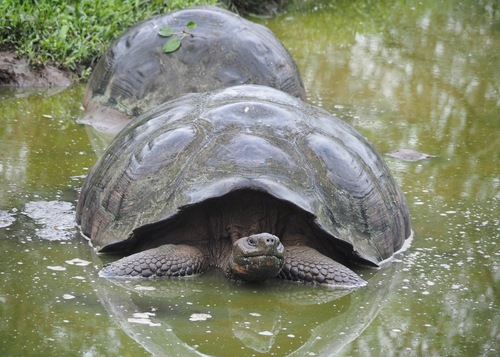
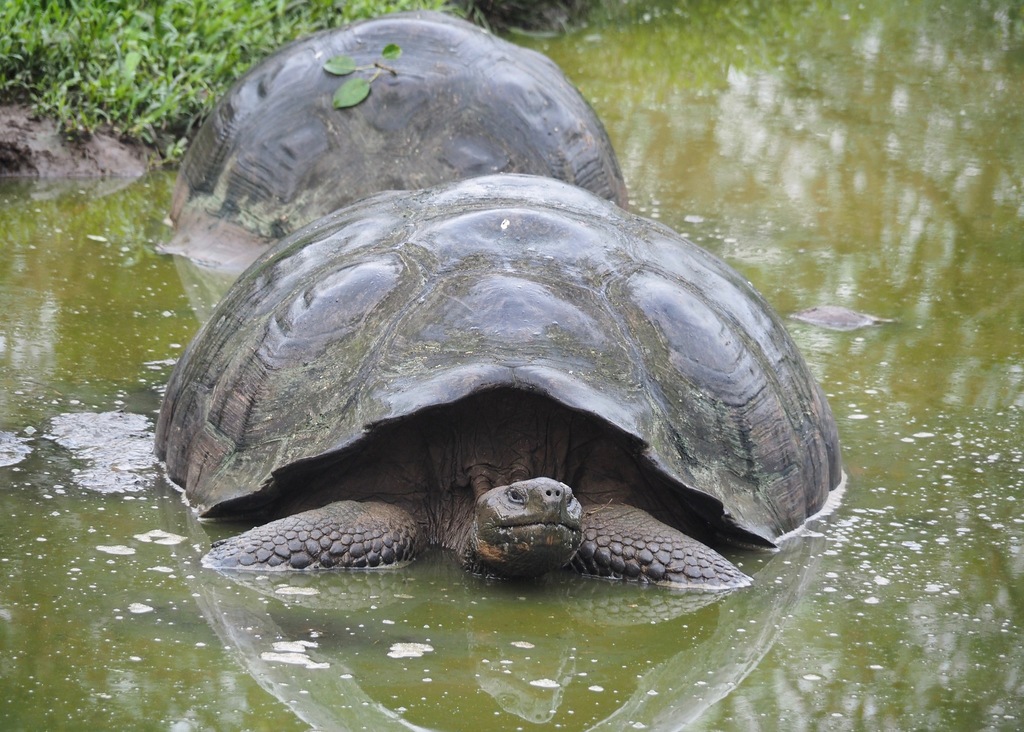
Galápagos giant tortoises are gentle architects of their island ecosystems, carving broad trails through dense vegetation and dispersing seeds across volcanic slopes. Depending on their home island and elevation, their shells diverge into domed carapaces adapted for grazing low grasses or saddleback carapaces that let long necks reach high prickly pear pads. Individuals spend hours wallowing in highland mud pools to stay cool and deter biting insects, occasionally hissing loudly as air expels when they retreat into their armored shells.
ReptileHerbivoreGiant
—observations
—countries
—peak records
VulnerableConservation statusIUCN Red List categoriesLCNTVUENCREWEXVulnerableRed List categories, explained →
Diet & preyPrickly Pear Cactus, Native Grasses, Guayabillo Fruit
Predators
- Galápagos Hawk
- Feral Pig
- Black Rat
ThreatsInvasive predators feeding on eggs and young, historical overhunting, and habitat degradation
HabitatsVolcanic slopes, arid scrub lowlands, and humid highland pastures
Life span100–175 years
Classification
- FamilyTestudinidae
- GenusChelonoidis
- SpeciesChelonoidis niger
Range data is not available yet.
Interaction riskLow
- Low
- Moderate
- High
- Very high
- Why interaction risk is low
- Safe to observe at a normal distance; park regulations require maintaining at least two meters.
- What to notice
- Enormous size, massive columnar legs, and a dark brown or grey domed or saddleback shell distinguish them instantly.
- Support conservation
- Do not touch, feed, or block the path of individuals, and strictly remain on official park trails.
Responsible observation
- Distance: Maintain a strict minimum distance of two meters at all times to avoid triggering defensive shell retreats.
- Movement: Walk slowly and quietly along marked paths, as sudden motions can cause them to abruptly pull in and stop feeding.
- Right of Way: Yield completely when a tortoise is crossing trails, allowing it to proceed uninterrupted.
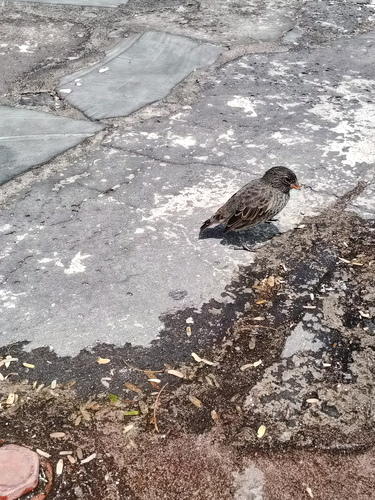
Symbiont (c) Raúl A. Ruiz M., some rights reserved (CC BY) · cc-by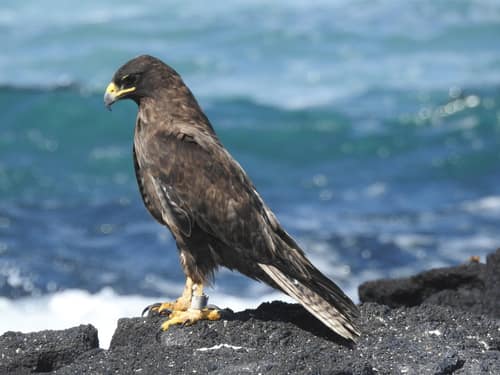
Predator (c) Tristan Jobin, some rights reserved (CC BY), uploaded by Tristan Jobin · cc-by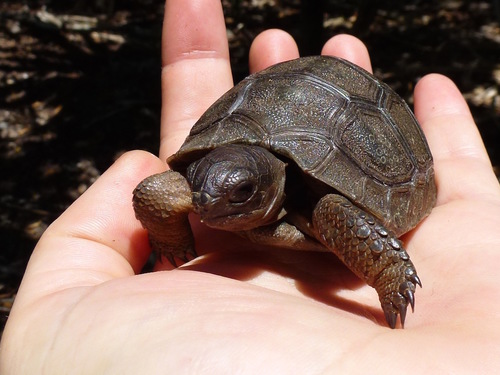
Close Relative (c) Eliane Küpfer, some rights reserved (CC BY-SA), uploaded by Eliane Küpfer · cc-by-sa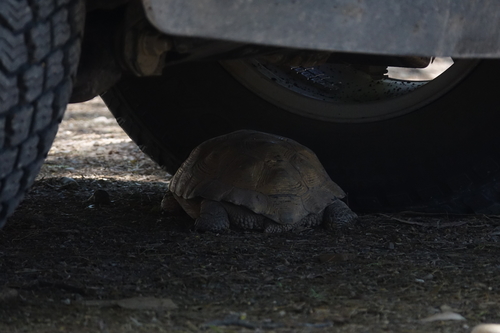
Close Relative (c) Silvio Montani, some rights reserved (CC BY) · cc-by
Help improve the field guideSomething wrong?
Checking your Fauna account…Report a name, category, or profile issue for review.