
Plant
Swati Haworthia
Haworthiopsis limifoliaAlso known as Fairy Washboard, File-Leaved Haworthia
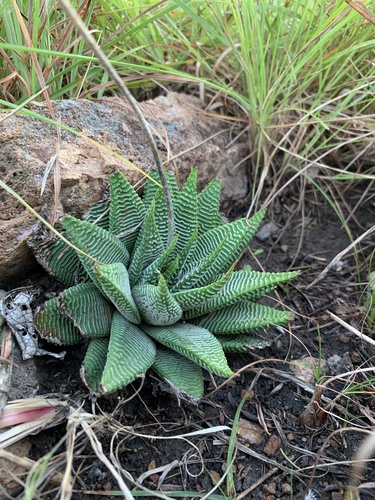
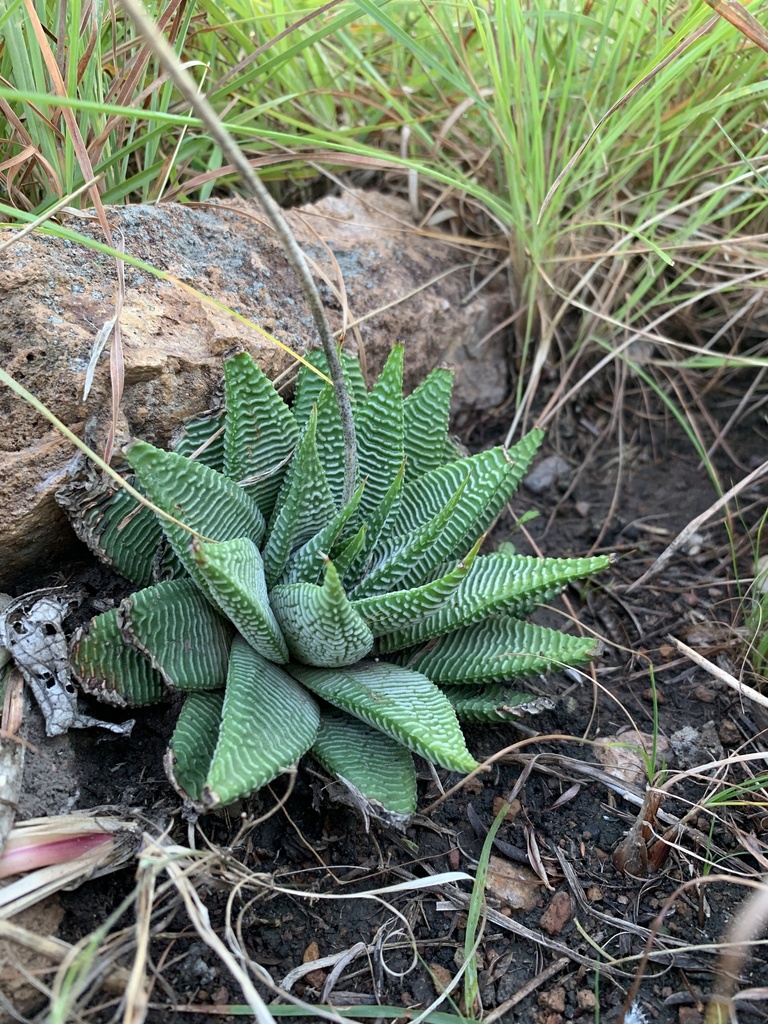
Fairy washboards form low, compact rosettes of spiraling triangular leaves marked by prominent, raised transverse ridges resembling an old-fashioned washboard. These durable succulents spread slowly via underground stolons, anchoring into shallow gravel and shaded fissures on steep rock faces. Long valued in traditional southern African healing, wild populations face significant collection pressure across their fragmented native range.
SucculentDrought-TolerantPerennial
—observations
—countries
—peak records
VulnerableConservation statusIUCN Red List categoriesLCNTVUENCREWEXVulnerableRed List categories, explained →
Diet & preyAutotrophic (photosynthetic)
Predators
- Baboons
- Rodents
ThreatsUnsustainable harvesting for traditional medicine and illegal succulent collecting
HabitatsRocky outcrops, sheltered cliff ledges, and semi-arid bushveld
Life span15–30+ years
Classification
- OrderAsparagales
- FamilyAsphodelaceae
- GenusHaworthiopsis
- SpeciesHaworthiopsis limifolia
Range data is not available yet.
Interaction riskLow
- Low
- Moderate
- High
- Very high
- Why interaction risk is low
- Safe to observe at a normal distance.
- What to notice
- Look for dark green, highly textured rosettes with corrugated ribs growing wedged in rocky crevices.
- Support conservation
- Leave wild plants undisturbed and refrain from posting exact GPS coordinates publicly.
Responsible observation
- Cultivation Ethics: Purchase plants only from registered nurseries that propagate through seed or tissue culture.
- Field Observation: Look in the shade of boulders or shrubs where the washboard leaf ridges trap moisture.
- Habitat Protection: Avoid walking on thin scree soils or dislodging loose stones around rock ledges.
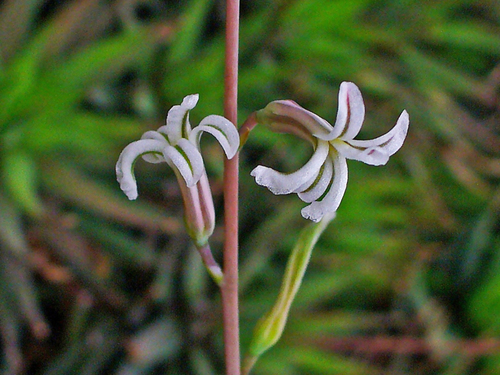
Close Relative (c) H. Zell, some rights reserved (CC BY-SA) · cc-by-sa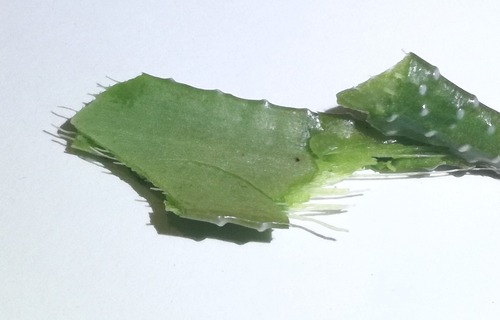
Close Relative (c) Abu Shawka, some rights reserved (CC BY-SA) · cc-by-sa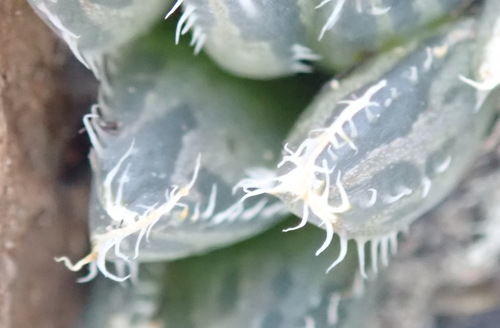
Same Family (c) Nicola van Berkel, some rights reserved (CC BY-SA), uploaded by Nicola van Berkel · cc-by-sa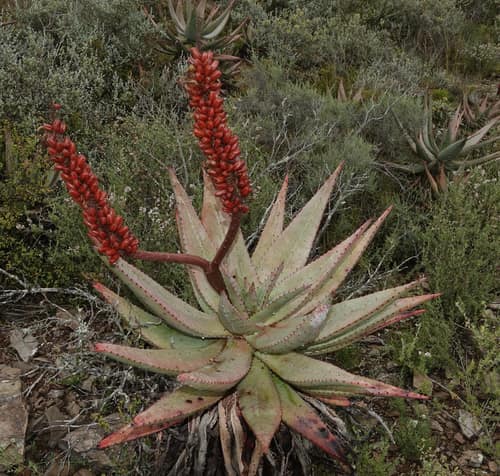
Same Family (c) desertnaturalist, some rights reserved (CC BY), uploaded by desertnaturalist · cc-by
Help improve the field guideSomething wrong?
Checking your Fauna account…Report a name, category, or profile issue for review.