
Plant
Lace Aloe
Aristaloe aristataAlso known as Guinea-fowl Aloe, Torch Plant
Lace aloe forms dense, stemless rosettes of deep green fleshy leaves covered in raised white tubercles and tipped with delicate, thread-like bristles. In early summer, established rosettes produce slender, unbranched flowering stalks crowned with tubular orange-red blossoms tailored for nectar-feeding sunbirds. Adapted to chilly mountain slopes across southern Africa, it readily survives freezing temperatures by clustering tightly into protective colonies along rocky crevices.
SucculentDrought-TolerantAlpine
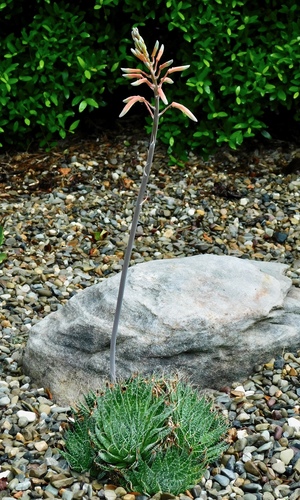
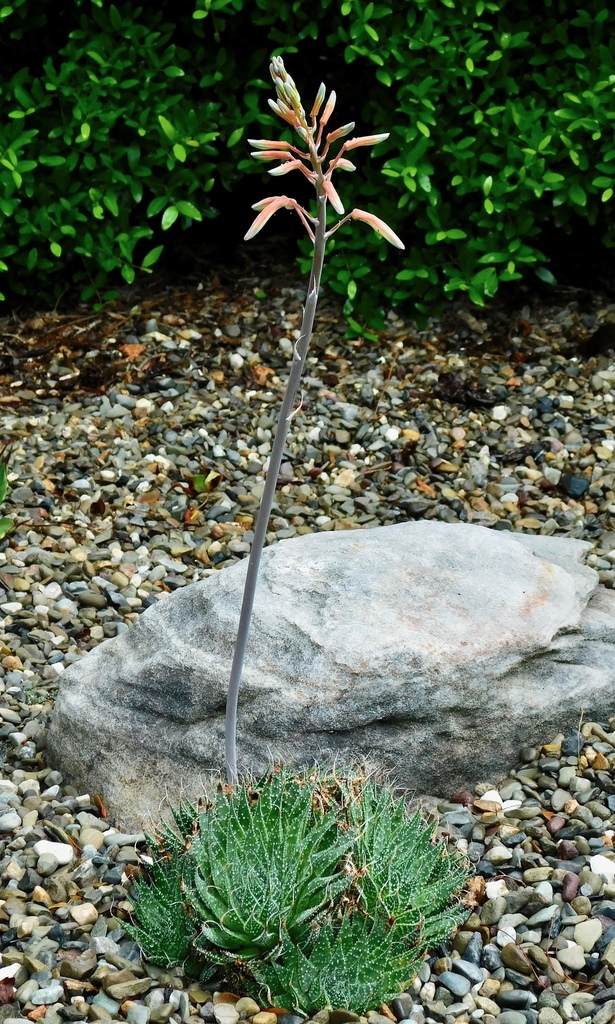
—observations
—countries
—peak records
Least ConcernConservation statusIUCN Red List categoriesLCNTVUENCREWEXLeast ConcernRed List categories, explained →
Diet & preyAutotrophic (Photosynthetic)
Predators
- Snout Beetles
- Porcupines
- Baboons
ThreatsOvergrazing, habitat fragmentation, and local over-harvesting for the succulent trade
HabitatsRocky grasslands, karroid scrub, cliff faces, and high-altitude montane slopes
Life span15–30 years
Classification
- OrderAsparagales
- FamilyAsphodelaceae
- GenusAristaloe
- SpeciesAristaloe aristata
Range data is not available yet.
Interaction riskHigh
- Low
- Moderate
- High
- Very high
- Why interaction risk is high
- Contains bitter anthraquinone compounds toxic to cats and dogs if ingested; keep away from household pets.
- Why it is dangerous
- Plant tissues contain bitter saponins and anthraquinone glycosides that induce vomiting, diarrhea, and lethargy when chewed or swallowed by pets.
- How to recognize a risky encounter
- Recognize by compact, densely incurved rosettes with white bumpy spots and soft translucent bristles on every leaf tip.
- What to do
- Grow out of reach of indoor pets, and wear garden gloves when repotting to avoid sap contact.
Responsible observation
- Sunlight Requirements: Provide bright, filtered sunlight to retain vibrant leaf coloration and compact rosette shape.
- Watering Method: Allow soil to dry completely between waterings to protect the fibrous roots from rot.
- Cold Tolerance: Protect outdoor specimens from prolonged freezes combined with excessive winter moisture.
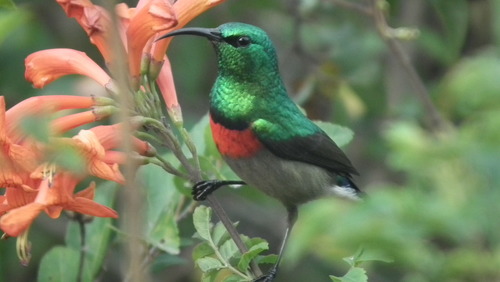
Pollinator (c) Shaun Swanepoel, some rights reserved (CC BY) · cc-by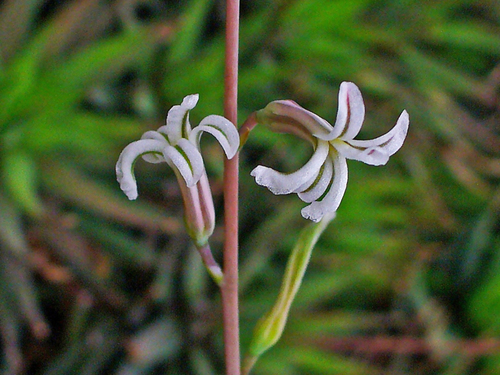
Close Relative (c) H. Zell, some rights reserved (CC BY-SA) · cc-by-sa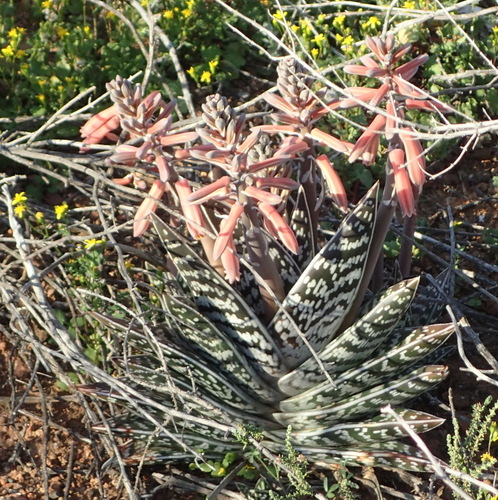
Close Relative (c) Nicola van Berkel, some rights reserved (CC BY-SA), uploaded by Nicola van Berkel · cc-by-sa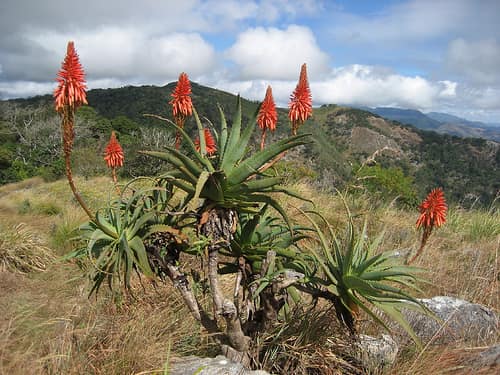
Close Relative (c) Ton Rulkens, some rights reserved (CC BY-SA) · cc-by-sa
Help improve the field guideSomething wrong?
Checking your Fauna account…Report a name, category, or profile issue for review.