Also known as October Glory, Fragrant Faradaya, Potato Vine
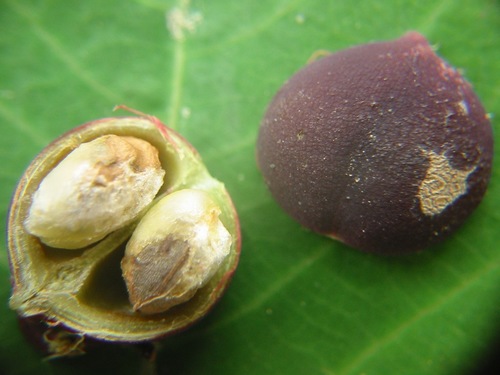
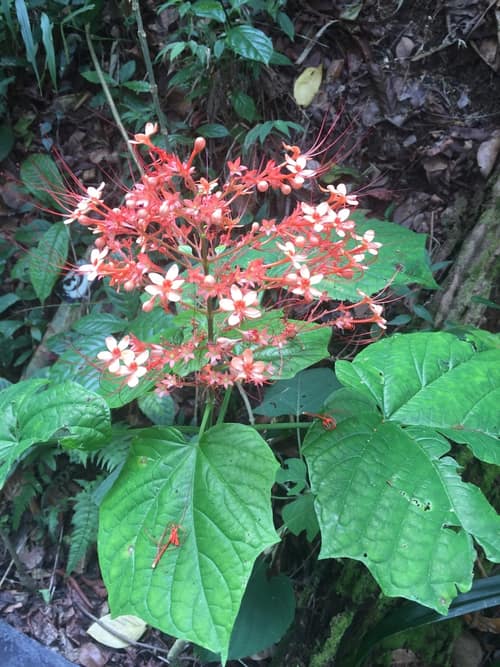
Glory vine is a vigorous tropical liana that scrambles into the upper canopy of wet lowland rainforests, draping tall trees with lush, opposite foliage. In early spring, mature vines erupt into massive hanging trusses of trumpet-shaped, intensely fragrant white blossoms that perfume the forest edge and draw diverse nocturnal and diurnal pollinators. The pollinated flowers give way to conspicuous, smooth white fruit resembling small boiled eggs or potatoes, which drop to the leaf litter when fully ripe.
Not EvaluatedConservation statusIUCN Red List categoriesLCNTVUENCREWEXNot Evaluated — not placed on the risk ladderRed List categories, explained →
Key facts
Diet & preySunlight, Soil nutrients, Water
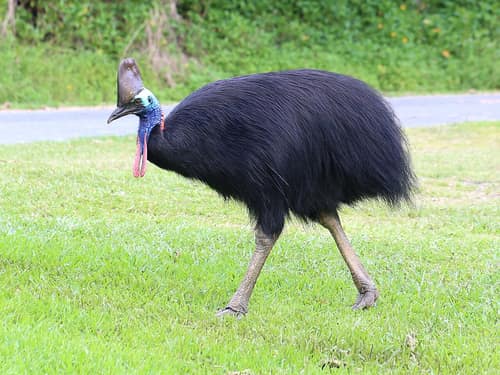
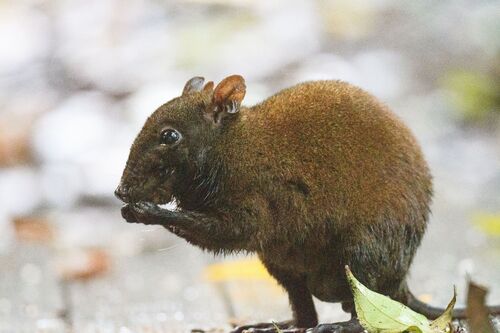
Predators
Southern Cassowary
Musky Rat-kangaroo
Spectacled Flying Fox
ThreatsHabitat clearing, invasive weeds, and storm fragmentation
HabitatsTropical lowland rainforests, gallery forests, and sunny forest margins
Life span20–50+ years
Classification
FamilyLamiaceae
SpeciesOxera splendida
Range & activity
Range data is not available yet.
Safe observation
Interaction riskHigh
Low
Moderate
High
Very high
Why interaction risk is high
Bark contains toxic saponins; wild fruits have toxic look-alikes, so never ingest based on app identification alone.
Why it is dangerous
The bark and roots contain concentrated saponins that cause severe gastrointestinal distress if chewed or swallowed, and were historically used as fish poisons.
How to recognize a risky encounter
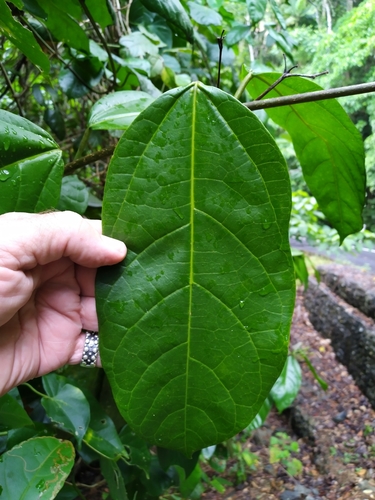
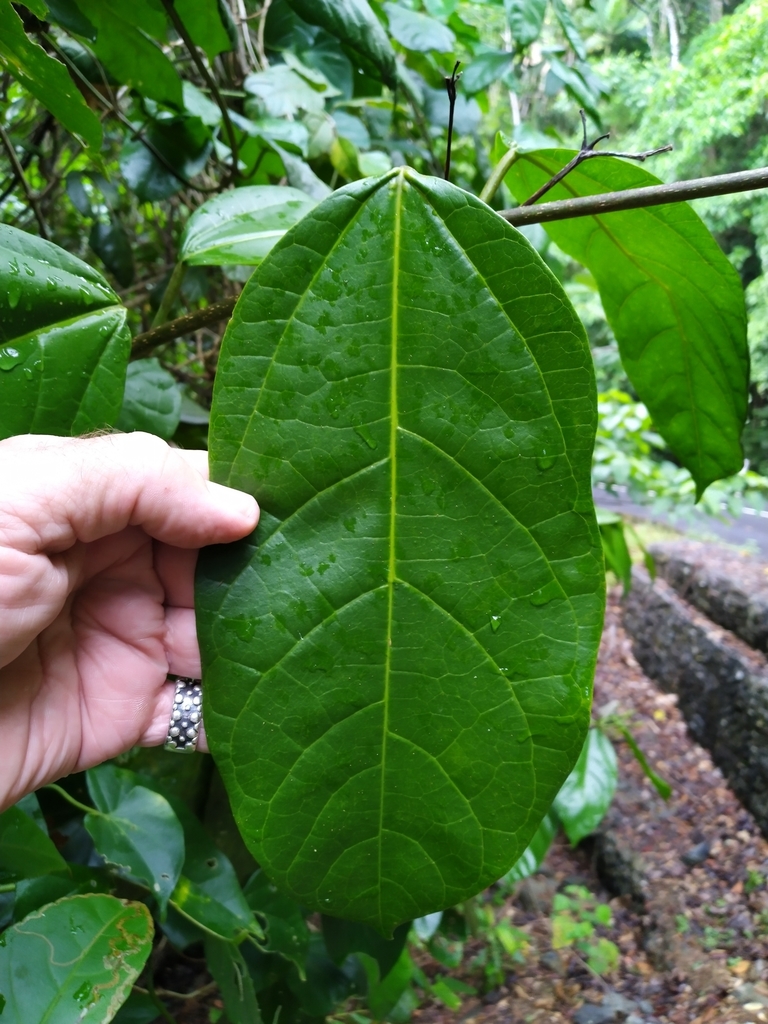
Look for a thick woody liana with large paired glossy leaves, clusters of snow-white flowers, and smooth egg-shaped white fruit.
What to do
Admire flowers and foliage from ground level without chewing on stems, roots, or wild fruit.
Responsible observation
Look Along Edges: Scan sunny logging tracks, road corridors, and riverbanks where canopy light triggers profuse flowering.
Follow the Scent: Detect mature blooming vines in late winter and spring by their strong sweet perfume before spotting them in the canopy.