
Fish · GBIF taxon 9496661
Spotted Handfish
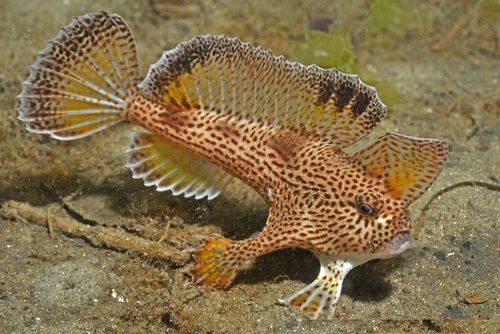
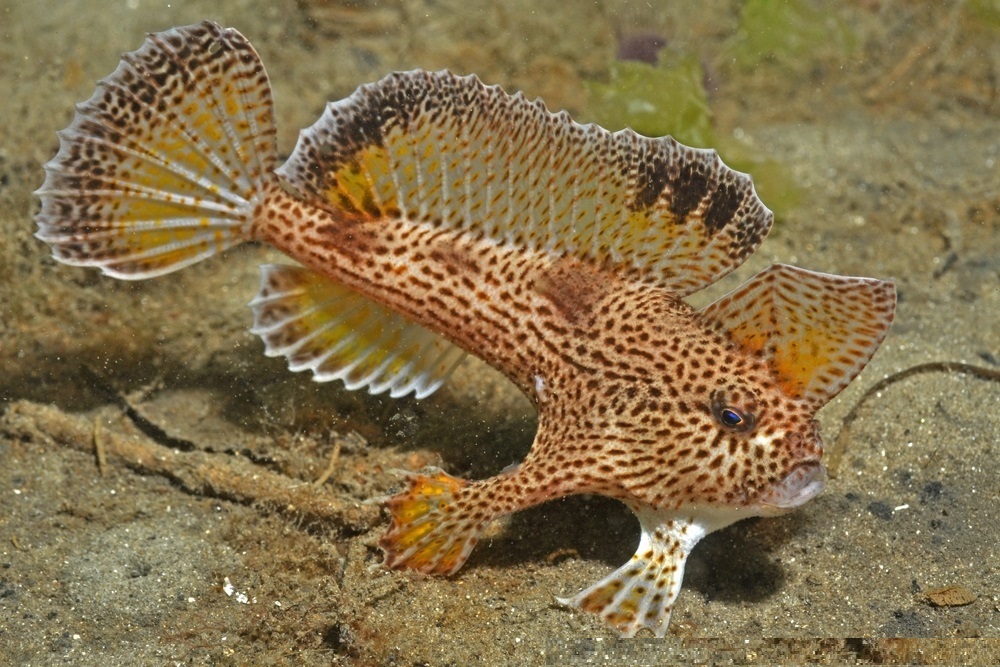
Brachionichthys hirsutusSpotted handfish walk along the sandy substrate of Tasmania's Derwent Estuary using hand-like pectoral fins instead of swimming. Females attach egg masses to vertical structures such as stalked ascidians and guard the clutch until juveniles hatch directly as miniature adults without a planktonic larval stage. Once widespread across southeastern Tasmanian bays, populations have collapsed dramatically due to benthic habitat disturbance and invasive seastars eating their spawning substrate.
BenthicEndemic
—observations
—countries
—peak records
Critically EndangeredConservation statusIUCN Red List categoriesLCNTVUENCREWEXCritically EndangeredRed List categories, explained →
Diet & prey
- Amphipods
- Shrimps
- Polychaete Worms
Predators
- Northern Pacific Seastar
- Flathead
- Octopuses
ThreatsInvasive northern Pacific seastars, siltation, urban runoff, and mooring chain scour
HabitatsSheltered estuarine silt, fine sand, and shell-grit seafloors
Life span7–10 years
Classification
- OrderLophiiformes
- FamilyBrachionichthyidae
- GenusBrachionichthys
- SpeciesBrachionichthys hirsutus
Range data is not available yet.
Interaction riskLow
- Low
- Moderate
- High
- Very high
- Why interaction risk is low
- Safe to observe at a normal distance.
- What to notice
- Look for a hump-backed, cream-to-white body covered in dense brown spots and modified fins that touch the seabed like arms.
- Support conservation
- Keep a respectful distance, never touch or harass an individual, and avoid disturbing benthic structures.
Responsible observation
- Diver Etiquette: Maintain neutral buoyancy well above the silt bed to avoid disturbing eggs or clouding water.
- Report Sightings: Document rare sightings with date and depth data for the Handfish Conservation Project.
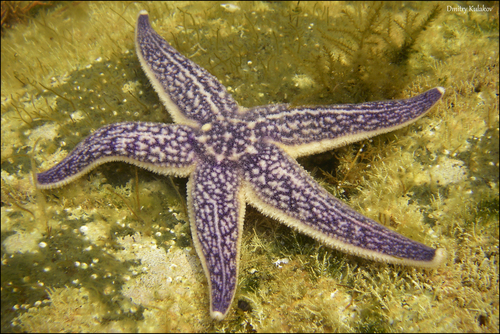
Predator (c) Dmitry Kulakov, some rights reserved (CC BY), uploaded by Dmitry Kulakov · cc-by Image unavailable
Host Plant 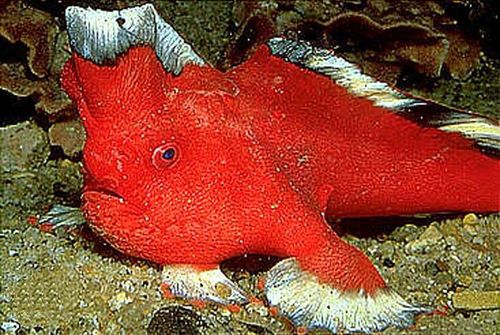
Close Relative (c) R. Kuiter, some rights reserved (CC BY) · cc-byClose Relative
Help improve the field guideSomething wrong?
Checking your Fauna account…Report a name, category, or profile issue for review.