
Reptile · GBIF taxon 9486305
Tamaulipan Rock Rattlesnake
Crotalus morulusAlso known as Tamaulipan Mottled Rattlesnake, Eastern Rock Rattlesnake
Tamaulipan rock rattlesnakes inhabit the damp, high-elevation pine-oak forests and limestone outcrops of northeastern Mexico Sierra Madre Oriental. Their dark, mulberry-like mottled bands provide exceptional camouflage against mossy rocks and leaf litter while they wait in ambush for unsuspecting lizards and small rodents. Though timid and quick to retreat into deep rock crevices, these small pit vipers rely on heat-sensing facial pits to hunt effectively in cool montane environments.
VenomousMontaneReptile
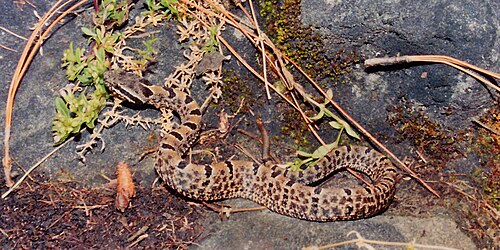
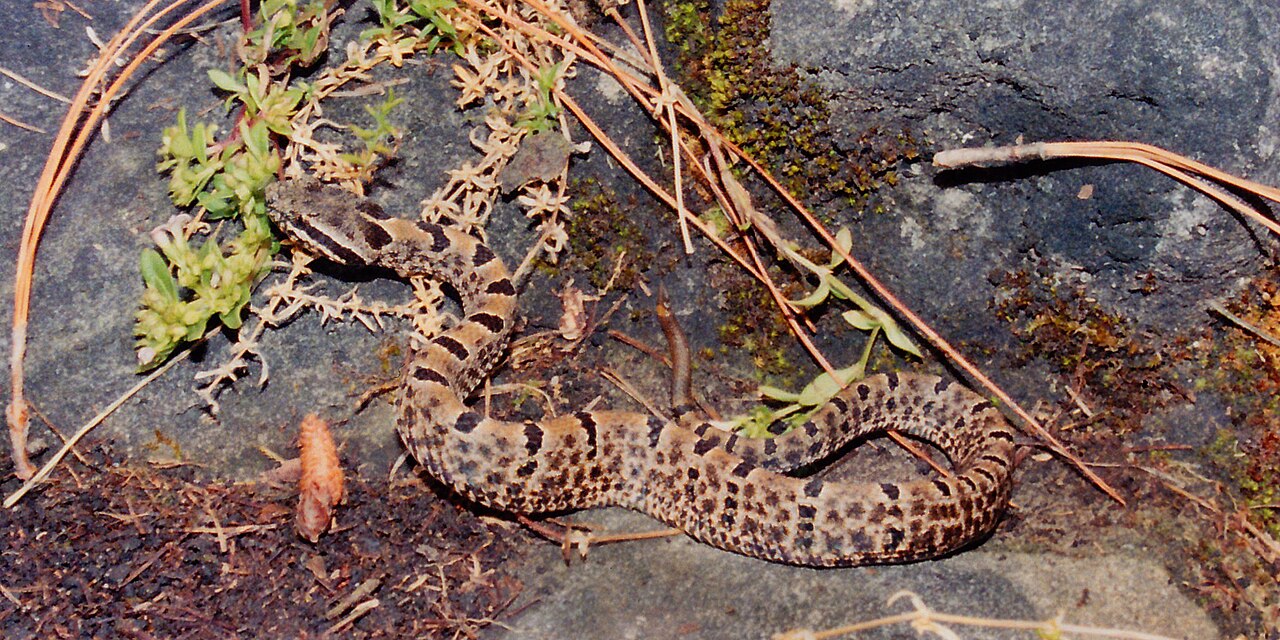
Licensed referenceWilliam L. Farr / CC BY-SA 4.0 · cc-by-sa
—observations
—countries
—peak records
Near ThreatenedConservation statusIUCN Red List categoriesLCNTVUENCREWEXNear ThreatenedRed List categories, explained →
Diet & prey
- Lizards
- Mice
- Frogs
Predators
- Eagles
- Hawks
- Larger snakes
ThreatsHabitat loss, climate warming, illegal collection for the pet trade
HabitatsHigh-elevation pine-oak forests, limestone scree, cloud forests
Life span15–20 years
Size / weightNot available
Classification
- FamilyViperidae
- SpeciesCrotalus morulus
Range data is not available yet.
Interaction riskVery high
- Low
- Moderate
- High
- Very high
- Why interaction risk is very high
- Venomous bite can cause severe local tissue damage; maintain a safe distance of several meters.
- Why it is dangerous
- Possesses cytotoxic and hemotoxic venom that breaks down blood tissues, requiring urgent antivenom treatment.
- How to recognize a risky encounter
- Recognized by slate-grey body with dark, mottled mulberry-like crossbands and a small rattle on the tail tip.
- What to do
- Never corner, handle, or step over rocks without checking first; back away slowly if encountered.
- What to notice
- Small, rock-dwelling rattlesnake unique to cloud forests and limestone habitats of the Sierra Madre Oriental.
- Support conservation
- Avoid publishing precise location data online to protect wild populations from commercial collection.
Responsible observation
- Watch your footing: Scan carefully around limestone outcrops and rock slides where these snakes bask or conceal themselves.
- Listen for warnings: Give a wide berth if you hear a dry, buzzing rattle, as these secretive snakes blend seamlessly into rocks.
- Use a flashlight: Exercise caution during evening hikes when temperatures drop and snakes move across exposed trails.
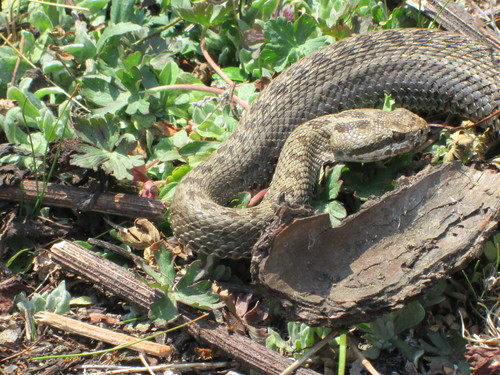
Co-occurring Species (c) Z. Arery G. Muñoz González., some rights reserved (CC BY-SA) · cc-by-sa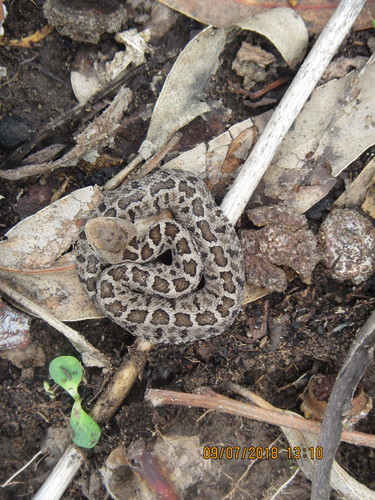
Related Species (c) Jalil R., some rights reserved (CC BY) · cc-by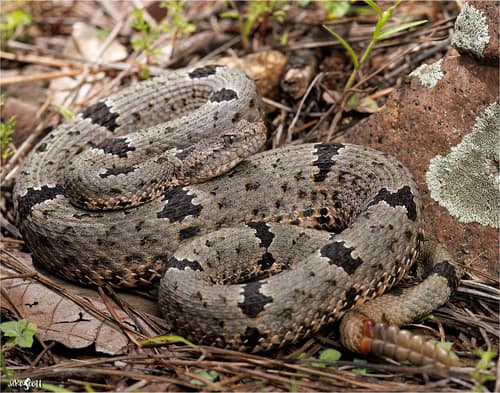
Close Relative Caudatejake / CC BY-SA 4.0 · cc-by-sa
Help improve the field guideSomething wrong?
Checking your Fauna account…Report a name, category, or profile issue for review.