
Flower
Natal Lily
Clivia miniataAlso known as Bush Lily, Fire Lily, St Johns Lily
Thriving in the deep dappled shade of subtropical forest floors, Natal lilies form dense evergreen clumps from thick fleshy roots rather than true bulbs. Brilliant clusters of upright, trumpet-shaped orange-and-yellow blooms emerge in early spring, later maturing into glossy red berries that linger among the strap-like foliage for months. Wild populations have declined across parts of southern Africa due to heavy harvesting for traditional herbal medicine and horticulture.
FloweringShade-TolerantPerennial
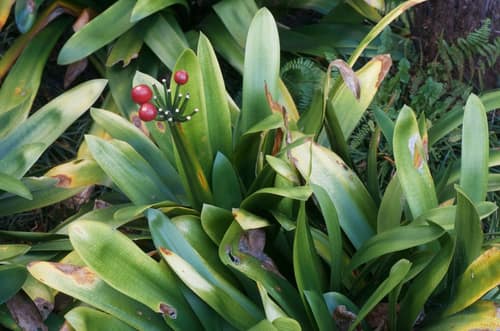
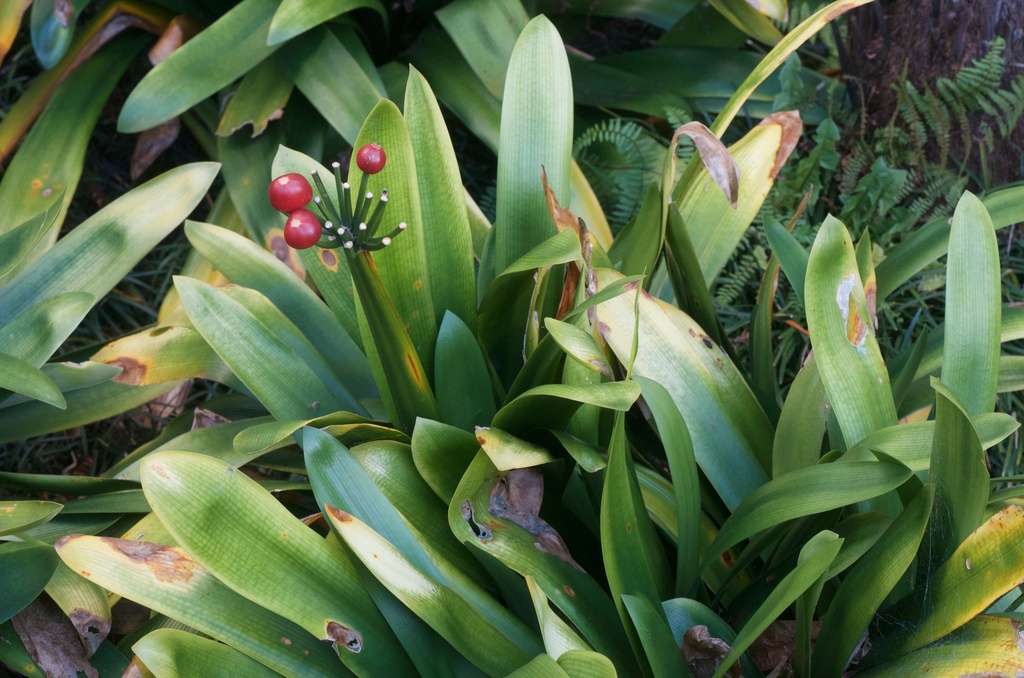
—observations
—countries
—peak records
Not EvaluatedConservation statusIUCN Red List categoriesLCNTVUENCREWEXNot Evaluated — not placed on the risk ladderRed List categories, explained →
Diet & preyPhotosynthesis
Predators
- Amaryllis Borer Caterpillar
- Garden Snail
- Slug
ThreatsOverharvesting for traditional medicine, illegal horticultural collecting, and forest clearing
HabitatsSubtropical coastal forests, damp ravines, and shaded woodland understories
Life span20–50 years
Classification
- OrderAsparagales
- FamilyAmaryllidaceae
- GenusClivia
- SpeciesClivia miniata
Range data is not available yet.
Interaction riskHigh
- Low
- Moderate
- High
- Very high
- Why interaction risk is high
- All parts contain toxic alkaloids, and wild berries have toxic look-alikes; never ingest plant tissue or fruit.
- Why it is dangerous
- Contains lycorine and related alkaloids that provoke severe nausea, vomiting, abdominal pain, diarrhea, and potential collapse in pets and humans.
- How to recognize a risky encounter
- Recognized by broad, glossy, strap-like leaves arranged in a flattened two-ranked fan, topped by umbels of vivid orange trumpets.
- What to do
- Wash hands after cutting sap-filled leaves or stems, and keep plants strictly away from chewing pets or unsupervised children.
- What to notice
- Grows wild in moist coastal and inland cliff-side forest leaf litter, forming expansive dark green clumps with robust fleshy roots.
- Support conservation
- Never dig, purchase, or disturb wild forest specimens; acquire exclusively from certified nursery-propagated stock.
Responsible observation
- Lighting: Provide bright indirect light indoors, or sheltered deep shade when planting outdoors.
- Root Care: Minimize root disturbance during potting, as plants bloom best when moderately root-bound.
- Pet Safety: Place out of reach of domestic dogs and cats that might chew on the foliage.
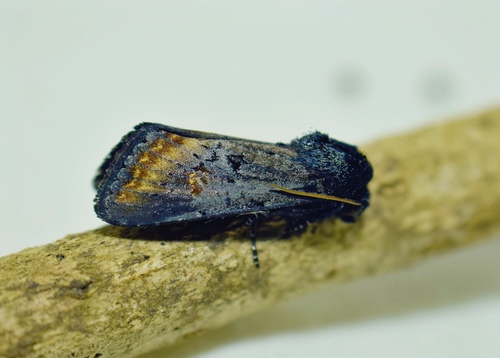
Herbivore (c) Sunčana Bradley, some rights reserved (CC BY), uploaded by Sunčana Bradley · cc-by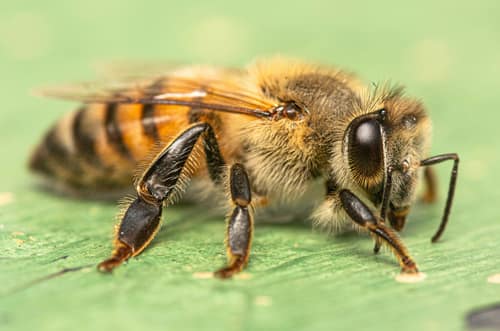
Pollinator (c) Rudolph Steenkamp, some rights reserved (CC BY-SA), uploaded by Rudolph Steenkamp · cc-by-sa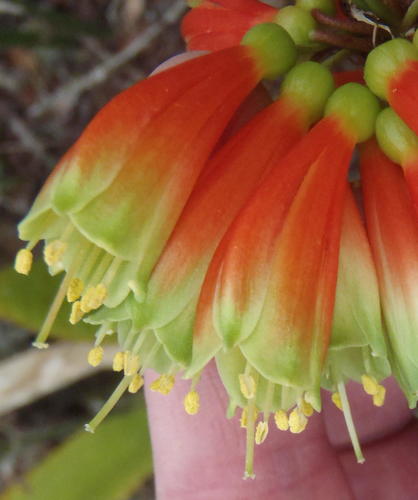
Close Relative (c) Nicola van Berkel, some rights reserved (CC BY-SA) · cc-by-sa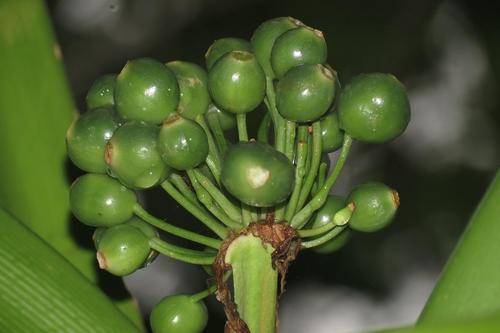
Close Relative (c) Brian du Preez, some rights reserved (CC BY-SA), uploaded by Brian du Preez · cc-by-sa
Help improve the field guideSomething wrong?
Checking your Fauna account…Report a name, category, or profile issue for review.