
Plant · GBIF taxon 9478836
Marsh Hay Cordgrass
Sporobolus pumilusAlso known as Saltmeadow Cordgrass, Salt Hay
Saltmeadow cordgrass carpets upper coastal salt marshes, forming distinctive swirling mats that resemble windblown cowlicks. Its dense stem network traps sediment and builds peat layers that help buffer coastlines against storm surges and sea-level rise. While essential for coastal protection in its native Atlantic range, its aggressive rhizomes allow it to quickly choke out native species where introduced.
CoastalPerennialSalt-Tolerant
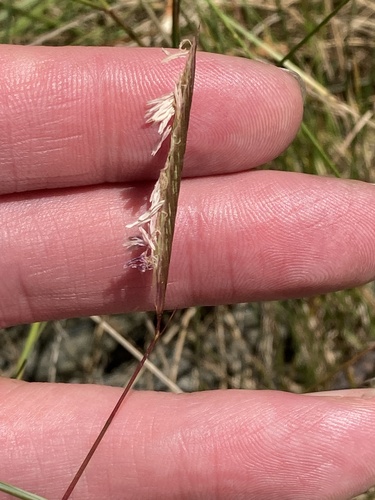
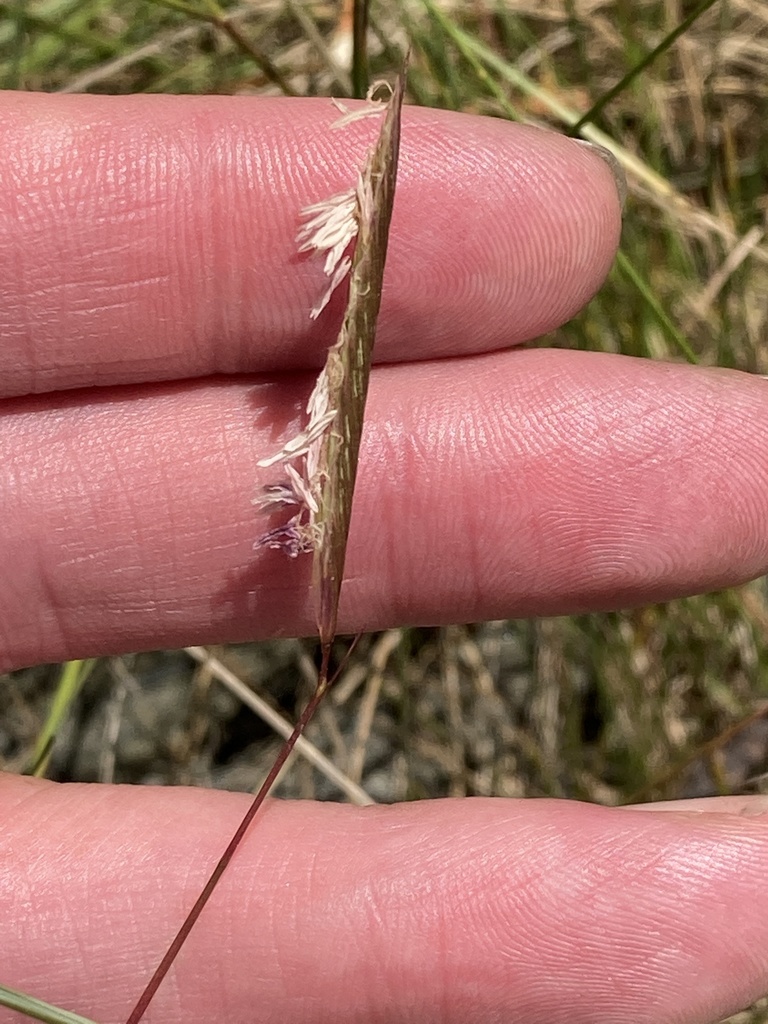
Licensed reference(c) naturalist charlie, some rights reserved (CC BY) · cc-by
—observations
—countries
—peak records
Least ConcernConservation statusIUCN Red List categoriesLCNTVUENCREWEXLeast ConcernRed List categories, explained →
Diet & prey
- Autotrophic (Photosynthesis)
Predators
- Snow Geese
- Muskrats
- Marsh Grasshoppers
ThreatsCoastal development, invasive species control efforts, severe sea-level rise
HabitatsSalt marshes, coastal dunes, brackish meadows, estuaries
Life spanPerennial (indefinite via spreading rhizomes)
Classification
- FamilyPoaceae
- SpeciesSporobolus pumilus
Range data is not available yet.
Interaction riskLow
- Low
- Moderate
- High
- Very high
- Why interaction risk is low
- Safe to observe at a normal distance.
Responsible observation
- Spot the cowlicks: Look for characteristically flattened, swirling mats formed by mature stands in late summer.
- Observe zoning: Notice how this grass stays higher up on the shoreline than smooth cordgrass.
- Use boardwalks: Stick to elevated paths to avoid compacting soft, fragile marsh peat.
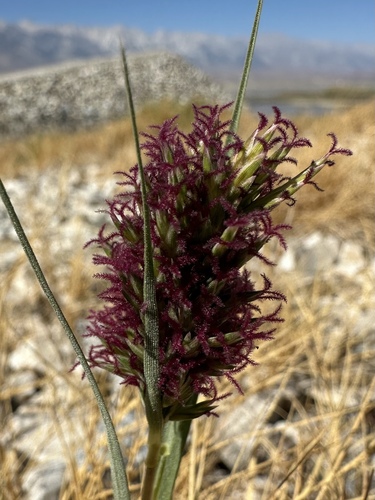
Frequent Companion (c) Roberto Daniel Avila, some rights reserved (CC BY), uploaded by Roberto Daniel Avila · cc-by Image unavailable
Frequent Companion 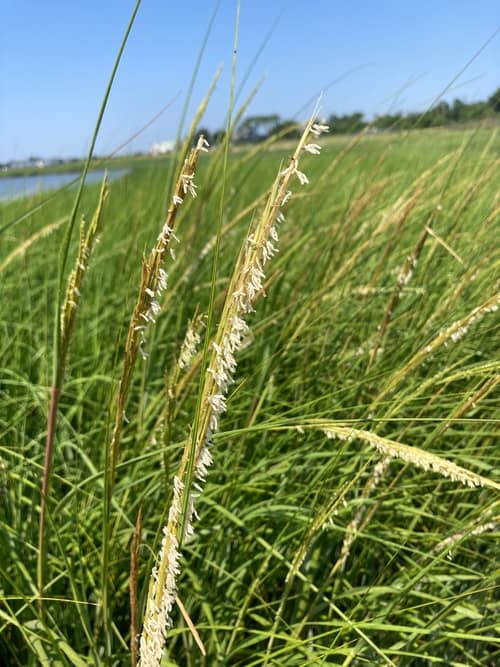
Close Relative (c) er-birds, some rights reserved (CC BY), uploaded by er-birds · cc-by
Help improve the field guideSomething wrong?
Checking your Fauna account…Report a name, category, or profile issue for review.