
Invertebrate · GBIF taxon 9476680
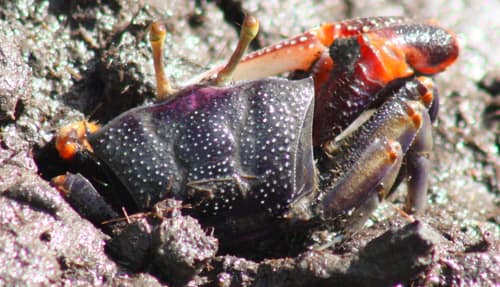
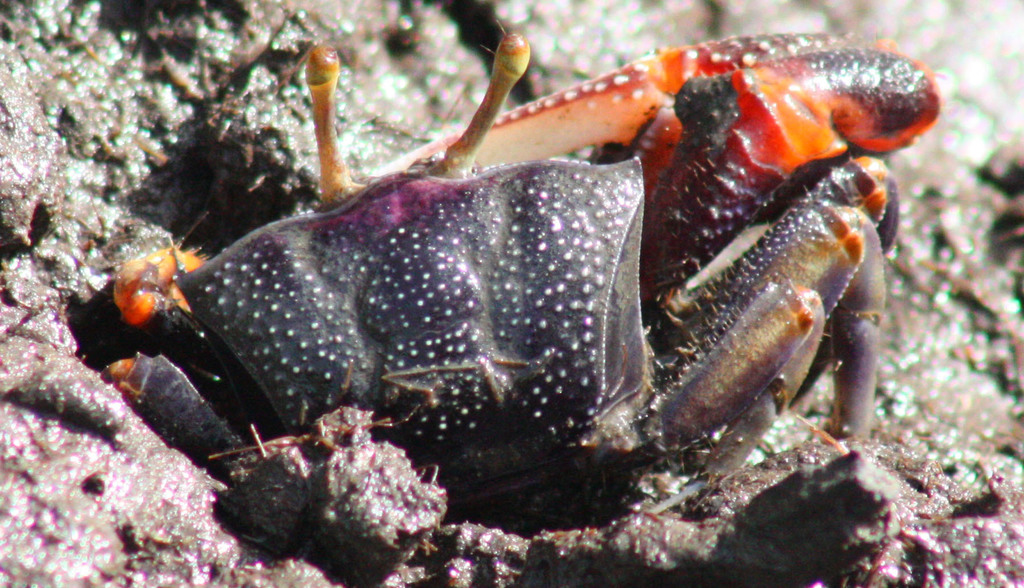
West African Fiddler Crab
Afruca tangeriAlso known as European Fiddler Crab, Tangier Fiddler Crab
West African fiddler crabs populate warm Atlantic mudflats, where males sport an oversized bright claw used in synchronized visual signaling. During low tide, thousands emerge from deep vertical burrows to feed on nutrient-rich microalgae filtered directly from wet sediment. Their dramatic courtship waves and territorial jousting transform intertidal mudflats into bustling, highly animated colonies.
CrustaceanIntertidalBurrowing
—observations
—countries
—peak records
Least ConcernConservation statusIUCN Red List categoriesLCNTVUENCREWEXLeast ConcernRed List categories, explained →
Diet & prey
- Microalgae
- Bacteria
- Organic detritus
Predators
- Western reef heron
- Eurasian curlew
- Blue crab
ThreatsCoastal development, marine pollution, and habitat destruction
HabitatsEstuaries, mudflats, salt marshes, and mangrove borders
Life span3–5 years
Size / weightNot available
Classification
- FamilyOcypodidae
- SpeciesAfruca tangeri
Range data is not available yet.
Interaction riskLow
- Low
- Moderate
- High
- Very high
- Why interaction risk is low
- Safe to observe at a normal distance.
Responsible observation
- Tidal Timing: Visit muddy estuaries during low tide when crabs emerge from burrows.
- Quiet Approach: Walk softly on mudflats, as ground vibrations cause them to retreat underground.
- Observation: Use binoculars or sit quietly nearby to watch males wave their oversized claw.
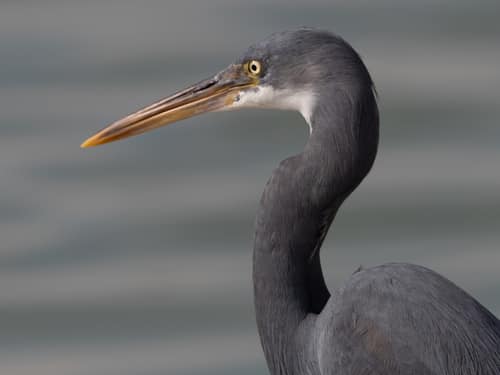
Predator (c) William Stephens, some rights reserved (CC BY), uploaded by William Stephens · cc-by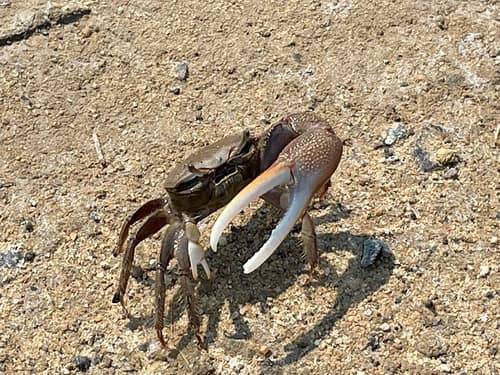
Close Relative "Fiddler Crab at Blackwater National Wildlife Refuge" by U. S. Fish and Wildlife Service - Northeast Region is marked with Public Domain Mark 1.0. To view the terms, visit https://creativecommons.org/publicdomain/mark/1.0/. · cc0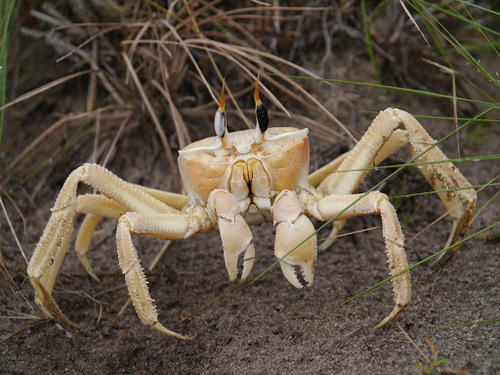
Close Relative (c) 116916927065934112165, some rights reserved (CC BY), uploaded by 116916927065934112165 · cc-by
Help improve the field guideSomething wrong?
Checking your Fauna account…Report a name, category, or profile issue for review.