
Insect · GBIF taxon 9473121
Acorn Moth
Blastobasis glandulellaAcorn moth larvae bore into fallen nuts across temperate woodlands, feeding extensively on the nutrient-rich interior and packing vacated cavities with granular frass. Adults are cryptically patterned micro-moths that blend seamlessly against rough tree bark during the day, taking flight only after dusk. By accelerating the decomposition of hard oak mast, these tiny insects free up nutrients on the forest floor while serving as forage for canopy-dwelling insectivores.
NocturnalWoodlandCryptic
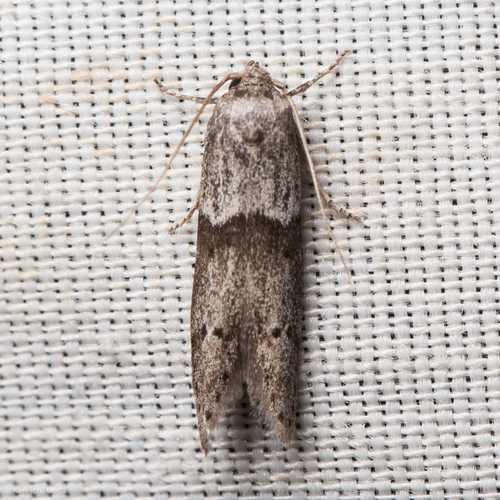
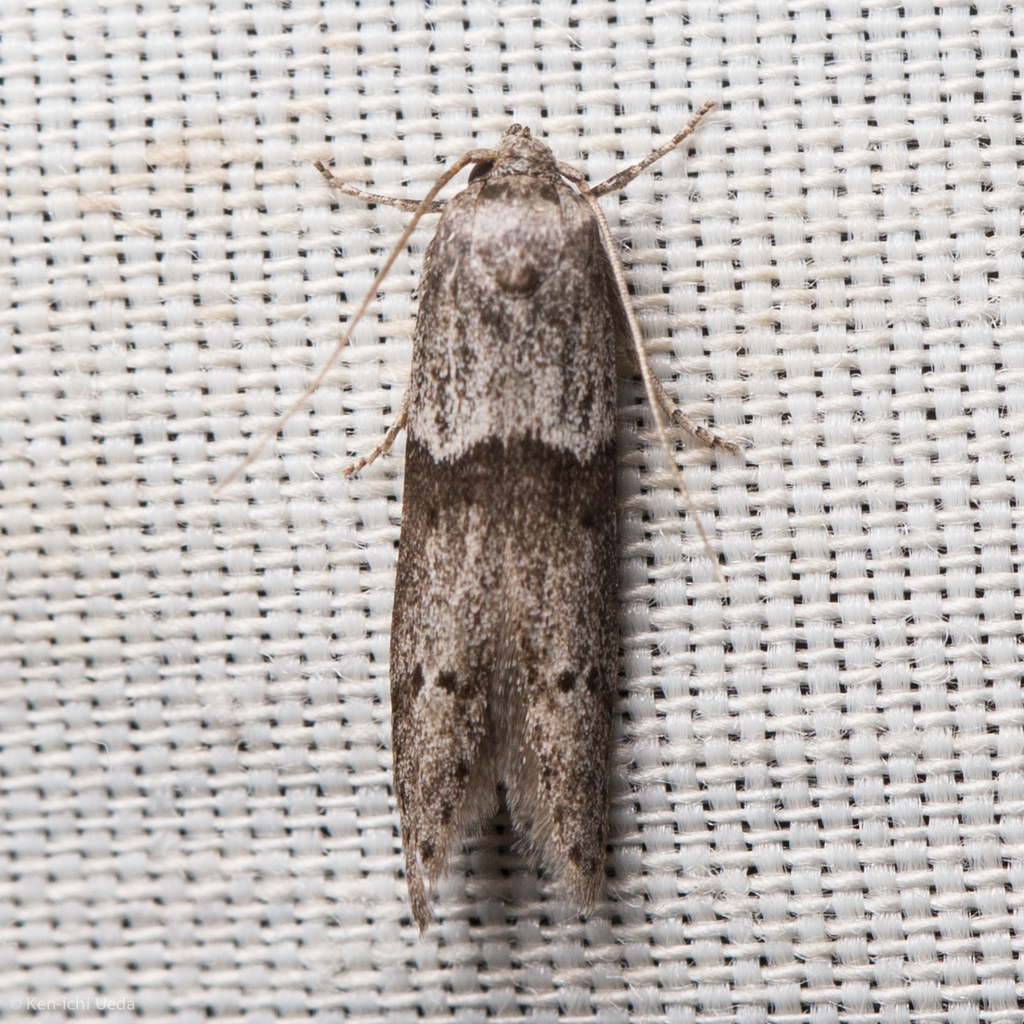 1 / 7
1 / 7—observations
—countries
—peak records
Not EvaluatedConservation statusIUCN Red List categoriesLCNTVUENCREWEXNot Evaluated — not placed on the risk ladderRed List categories, explained →
Diet & prey
- Acorn meat
- Chestnuts
- Walnut meat
Predators
- Insectivorous birds
- Bats
- Spiders
ThreatsBroadcast forest pesticide application and severe canopy loss from deforestation.
HabitatsDeciduous woodlands, mixed oak forests, parks, and suburban woodlots.
Life span1 year total (larval and pupal stages span most of life; adults live 1–2 weeks)
Size / weightNot available
Classification
- FamilyBlastobasidae
- SpeciesBlastobasis glandulella
Range data is not available yet.
Interaction riskLow
- Low
- Moderate
- High
- Very high
- Why interaction risk is low
- Safe to observe at a normal distance.
Responsible observation
- Light Stations: Set up an ultraviolet lamp and white bedsheet on warm summer nights to draw adults for close viewing.
- Check Fallen Nuts: Inspect fallen acorns with small drill holes to locate developing caterpillars inside.
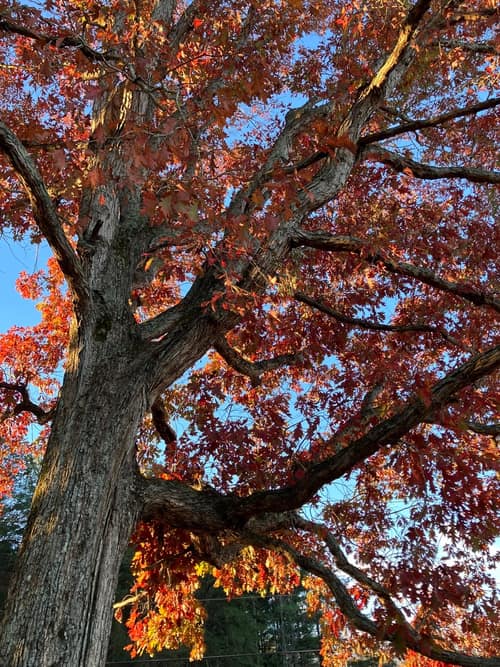
Host Plant (c) Alicia Ballard, some rights reserved (CC BY) · cc-by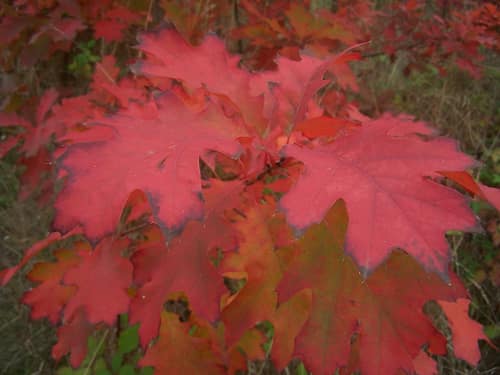
Host Plant no rights reserved · cc0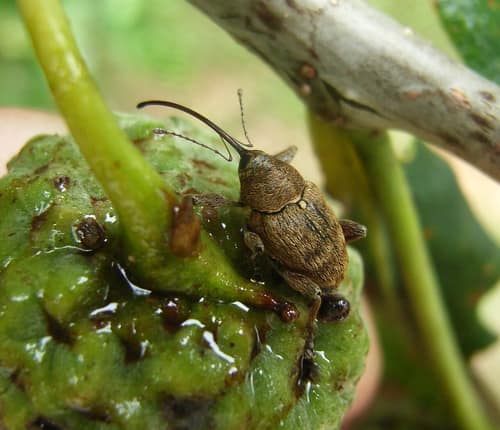
Competitor Elke Freese / CC BY-SA 3.0 · cc-by-sa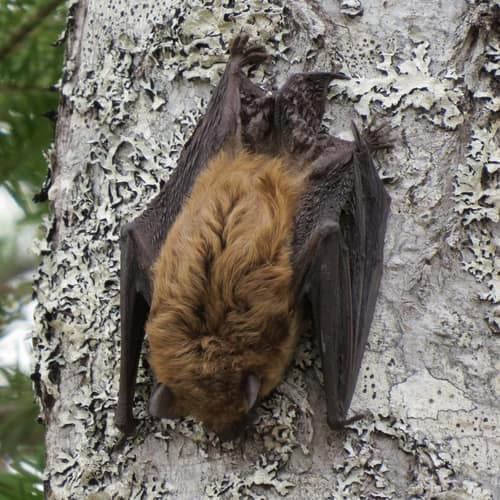
Predator (c) Fyn Kynd, some rights reserved (CC BY) · cc-by
Help improve the field guideSomething wrong?
Checking your Fauna account…Report a name, category, or profile issue for review.