
Bird · GBIF taxon 9457155
Chicken
Gallus gallus domesticusAlso known as Domestic Fowl, Hen, Rooster, Cockerel
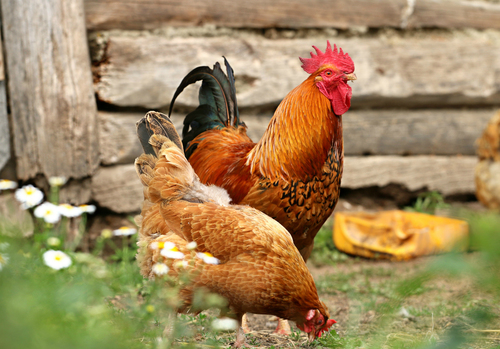
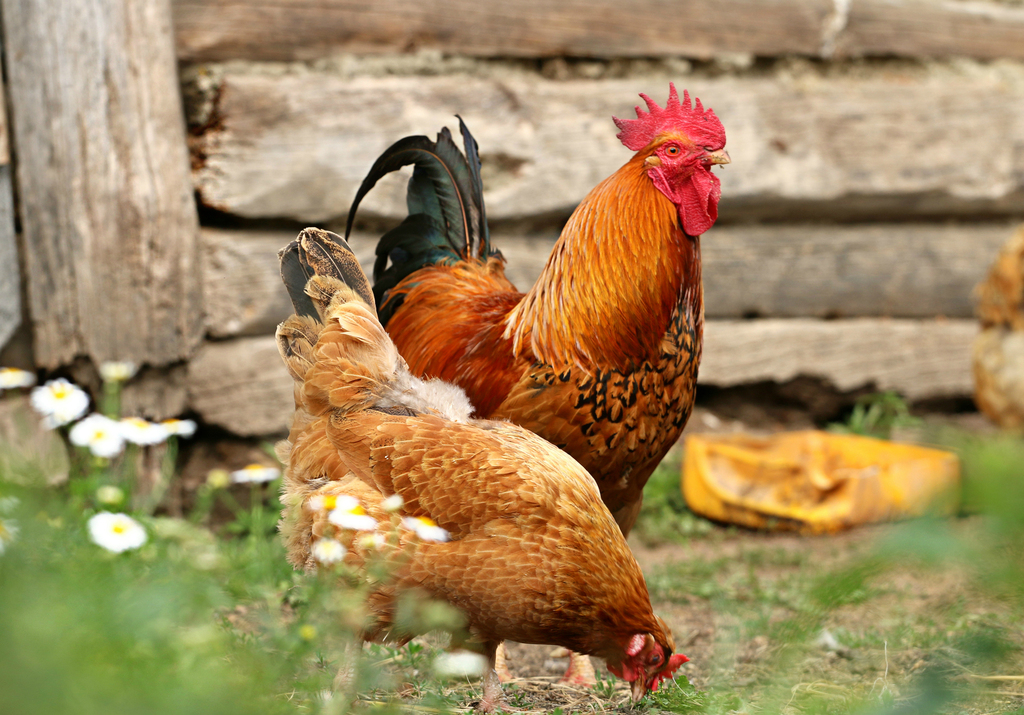
Chickens maintain complex social hierarchies famously known as pecking orders, establishing status through body language, vocal cues, and ritualized posturing. Roosters crow at daybreak and sound distinctive alarm calls to alert hens to aerial raptors or ground predators. Gregarious and inquisitive, they spend their daylight hours scratching soil for grit, seeds, and insects before roosting elevated off the ground at night.
DomesticatedDiurnalOmnivorous
—observations
—countries
—peak records
Not EvaluatedConservation statusIUCN Red List categoriesLCNTVUENCREWEXNot Evaluated — not placed on the risk ladderRed List categories, explained →
Diet & prey
- Insects and Larvae
- Earthworms
- Seeds and Grains
Predators
- Red Fox
- Coyote
- Cooper's Hawk
ThreatsPredation by wild and domestic carnivores, viral outbreaks such as avian influenza, and extreme weather exposure.
HabitatsAgricultural farms, rural homesteads, suburban backyards, and temperate to tropical pastures worldwide.
Life span5–10 years (occasionally up to 15 years in backyard care)
Size / weightNot available
Classification
- OrderGalliformes
- FamilyPhasianidae
- GenusGallus
- SpeciesGallus gallus domesticus
Range data is not available yet.
Interaction riskLow
- Low
- Moderate
- High
- Very high
- Why interaction risk is low
- Roosters and broody hens may peck, wing-flap, or slash with leg spurs if approached too closely.
- Why it is dangerous
- Roosters defend territories and hens aggressively, using sharp calcified leg spurs and strong beaks that can puncture skin and cause bruising.
- How to recognize a risky encounter
- Roosters display taller red combs, elongated wattles, arching sickle tail feathers, and pointed spurs above the hind toe.
- What to do
- Give strutting or crowing roosters plenty of room, avoid turning your back abruptly, and never corner broody hens guarding chicks.
Responsible observation
- Approach Quietly: Move slowly and stay low to avoid triggering flock alarm calls or panicked flight.
- Treat Offerings: Offer handfuls of scratch grains or mealworms flat on an open palm to gain their trust.
- Handling Technique: Support the breast from underneath while gently pinning both wings against the body to prevent thrashing.
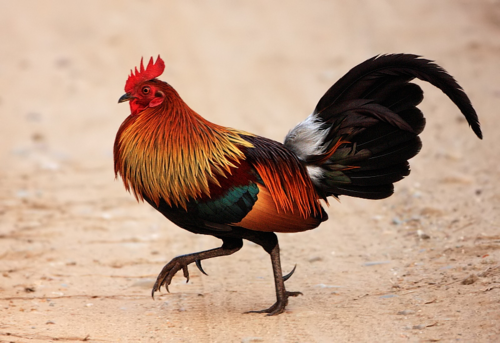
Wild Ancestor Subramanya C K / CC BY-SA 3.0 · cc-by-sa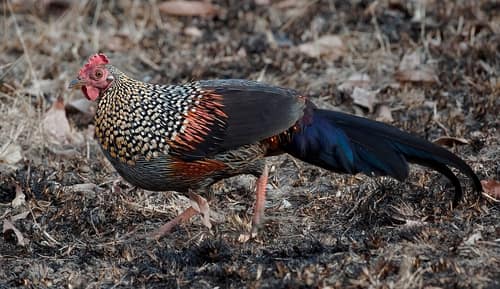
Close Relative Yathin S Krishnappa / CC BY-SA 3.0 · cc-by-sa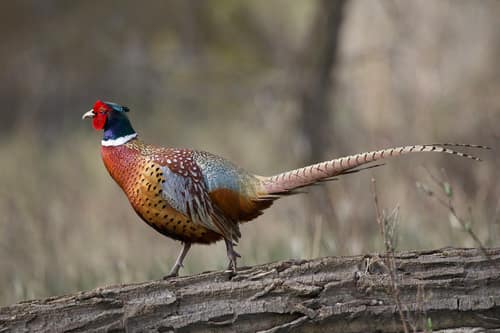
Same Family (c) John Krampl, some rights reserved (CC BY), uploaded by John Krampl · cc-by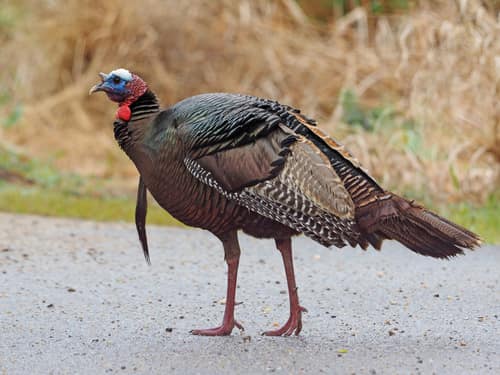
Same Family (c) Judy Gallagher, some rights reserved (CC BY) · cc-by
Help improve the field guideSomething wrong?
Checking your Fauna account…Report a name, category, or profile issue for review.