
Invertebrate · GBIF taxon 9444500
Mud Fiddler Crab
Minuca pugnaxAlso known as Atlantic Mud Fiddler
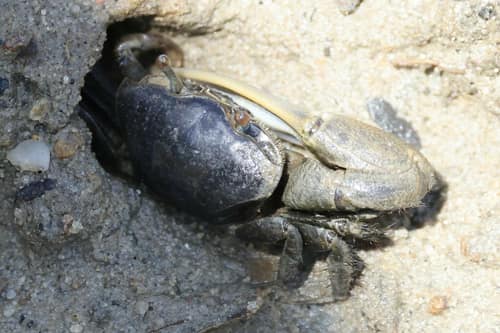
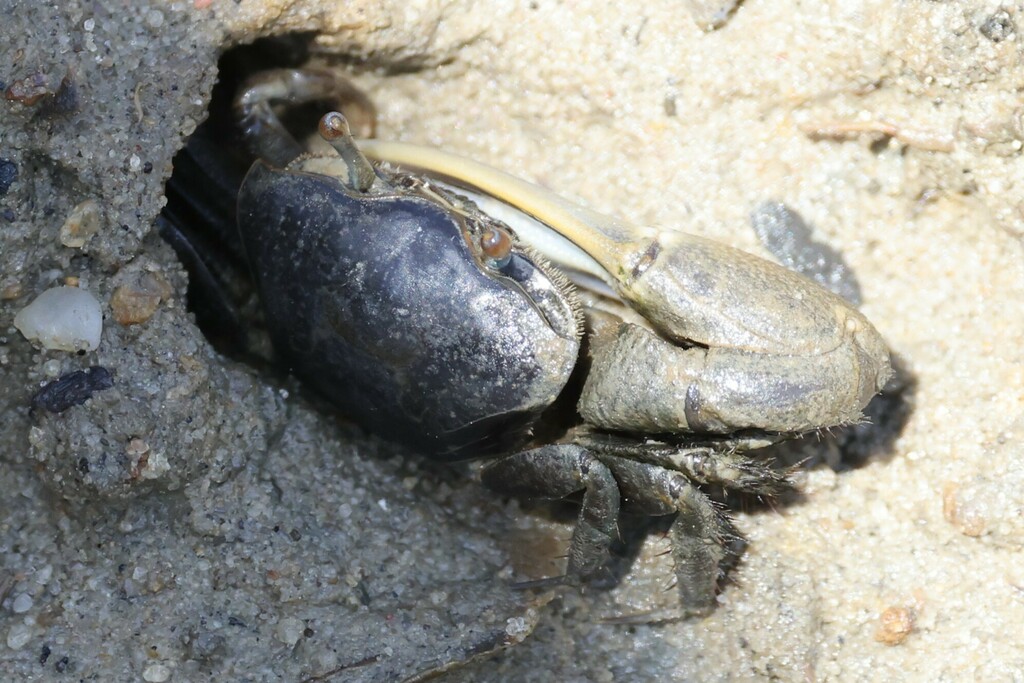
Mud Fiddler Crabs are small intertidal crabs that live in burrows across muddy salt-marsh surfaces. Adult males carry one greatly enlarged claw used in waving displays, while females have two smaller feeding claws.
fiddler crabsalt marshburrower
—observations
—countries
—peak records
Not EvaluatedConservation statusIUCN Red List categoriesLCNTVUENCREWEXNot Evaluated — not placed on the risk ladderRed List categories, explained →
Diet & prey
- benthic algae
- microbes
- organic detritus
Predators
- shorebirds
- fish
- raccoons
ThreatsMarsh conversion, shoreline hardening, polluted sediment, and altered tidal flow
HabitatsMuddy intertidal flats, salt-marsh banks, and sheltered estuarine shores
Life spanTypically one to several years, depending on climate and local conditions
Size / weightNot available
Classification
- OrderDecapoda
- FamilyOcypodidae
- GenusMinuca
- SpeciesMinuca pugnax
Range data is not available yet.
Interaction riskLow
- Low
- Moderate
- High
- Very high
- Why interaction risk is low
- The enlarged claw can pinch if a crab is grabbed or cornered.
- Why it is dangerous
- A handled crab may defend itself with a forceful claw pinch that can break skin.
- How to recognize a risky encounter
- Males show one oversized claw and occupy small round burrows on muddy salt-marsh surfaces.
- What to do
- Do not pick up or trap the crab; rinse and clean any accidental pinch that breaks skin.
Responsible observation
- Watch: Stand still and wait for crabs to reemerge beside their burrows.
- Protect: Avoid trampling burrow fields or digging into soft marsh sediment.
Keep collecting in Fauna
Found in Collections
Species set Pro
Shore Life
Mud Fiddler Crab is found in this collection. Identify it in Fauna to fill this slot and continue your progress.
Unlock to track progress
Help improve the field guideSomething wrong?
Checking your Fauna account…Report a name, category, or profile issue for review.