
Fungus · GBIF taxon 9439058
Bay Polypore
Picipes badiusAlso known as Black-Footed Polypore, Black-Leg
Bay polypores emerge on decaying hardwood logs and stumps, displaying a smooth, chestnut-to-dark-brown cap with a distinct glossy sheen when fresh. Their most striking feature is a short, tough stem that turns velvety black from the base upward as the fruit body matures. As vital decomposers in temperate forests across Eurasia and North America, these bracket fungi break down lignin and cellulose to produce white rot in fallen wood.
FungusWood-DecayerTemperate
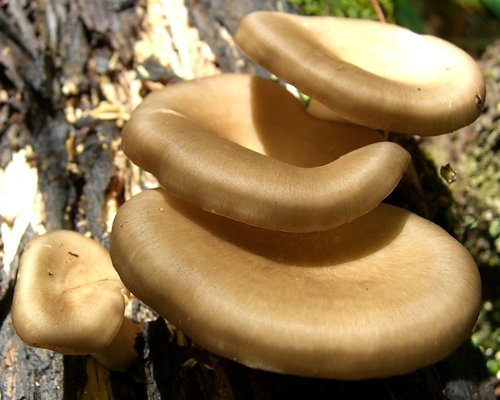
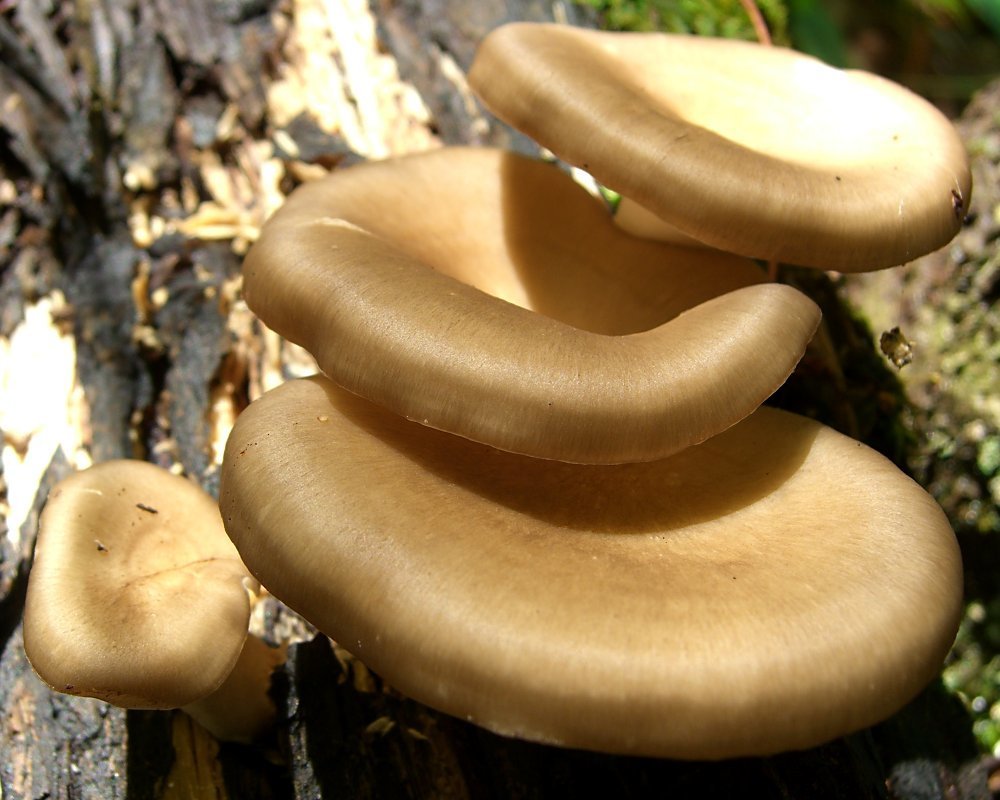
—observations
—countries
—peak records
Not EvaluatedConservation statusIUCN Red List categoriesLCNTVUENCREWEXNot Evaluated — not placed on the risk ladderRed List categories, explained →
Diet & prey
- Decaying hardwood
- Lignin
- Cellulose
Predators
- Fungal-feeding beetles
- Slugs
- Rodents
ThreatsRemoval of fallen deadwood and clearcutting
HabitatsTemperate deciduous and mixed forests
Life spanPerennial mycelium; individual mushrooms last weeks to months
Classification
- FamilyPolyporaceae
- SpeciesPicipes badius
Range data is not available yet.
Interaction riskLow
- Low
- Moderate
- High
- Very high
- Why interaction risk is low
- Many wild fungi have toxic look-alikes; never harvest or consume mushrooms based on app identification alone.
Responsible observation
- Examine the Base: Look closely at the stem to spot the distinctive velvety black base.
- Check the Pore Surface: Flip the cap over to observe tiny, pale cream-colored pores.
- Observe the Host: Note whether the fungus is growing on fallen hardwood or conifer wood.
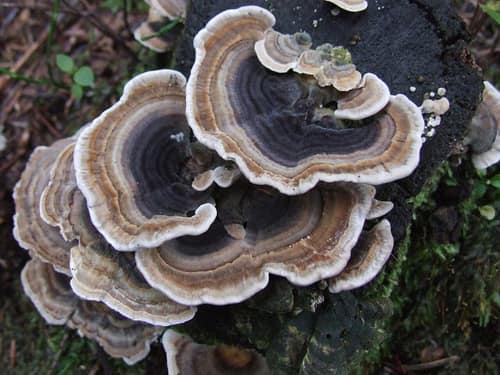
Frequent Companion Jerzy Opioła / CC BY-SA 3.0 · cc-by-sa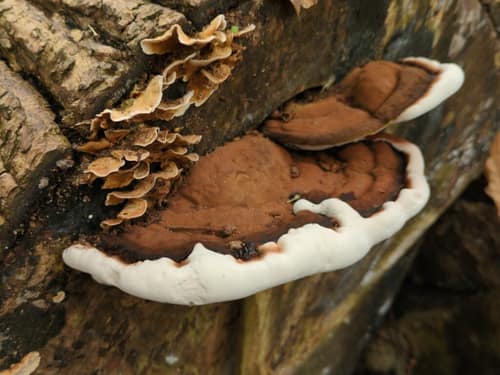
Frequent Companion no rights reserved · cc0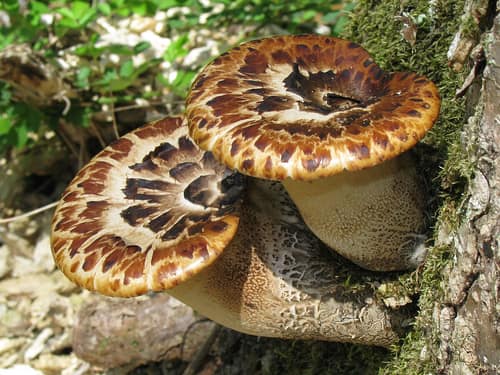
Close Relative Dan Molter / CC BY-SA 3.0 · cc-by-sa
Help improve the field guideSomething wrong?
Checking your Fauna account…Report a name, category, or profile issue for review.