
Insect
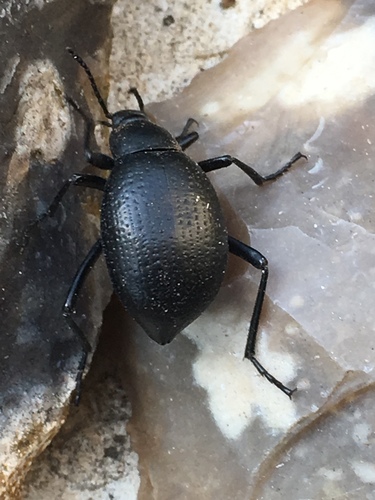
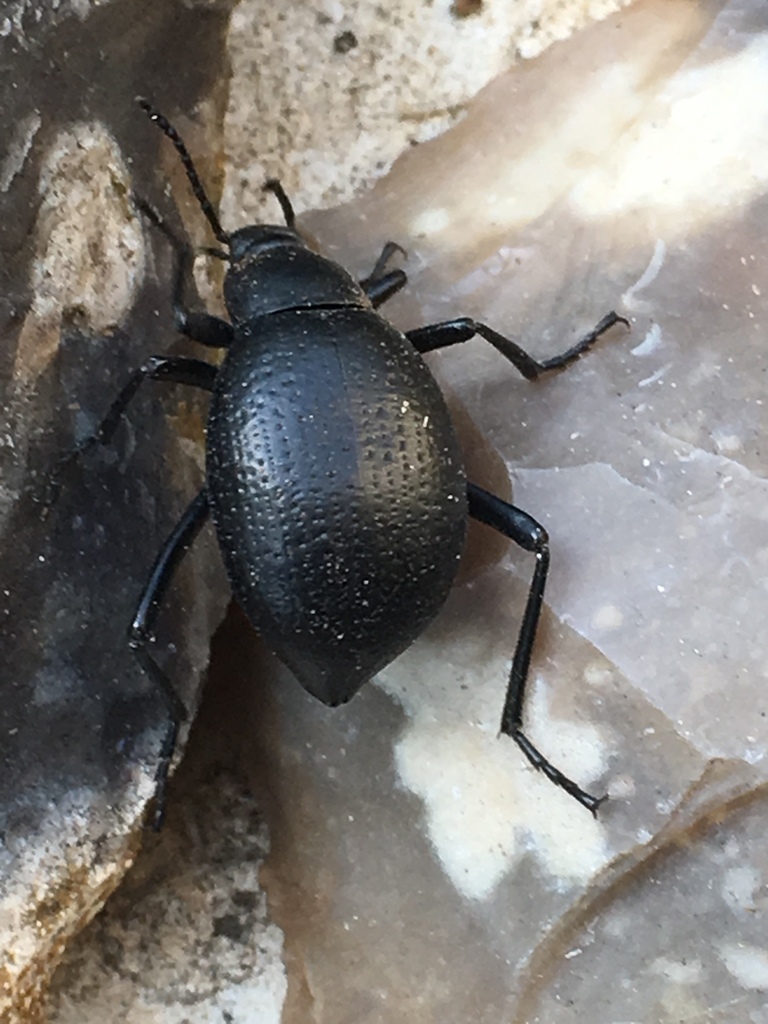
Eleodes goryi
Eleodes goryiAlso known as Gory's Darkling Beetle, Desert Stink Beetle, Circus Beetle
Widely known across arid and semi-arid landscapes of North America, this robust darkling beetle patrols sandy flats and grassy scrublands in search of decaying plant matter. When startled, it points its abdomen high into the air in a comical headstand posture to threaten predators with foul chemical defenses. Its fused, wingless elytra create a sealed internal cavity that dramatically minimizes moisture loss under harsh sun.
NocturnalArid HabitatDetritivore
—observations
—countries
—peak records
Not EvaluatedConservation statusIUCN Red List categoriesLCNTVUENCREWEXNot Evaluated — not placed on the risk ladderRed List categories, explained →
Diet & preyDecaying plant material, seeds, dried animal matter, and fungi
Predators
- Grasshopper Mouse
- Burrowing Owl
- Western Whiptail
ThreatsHabitat fragmentation, agricultural conversion, and heavy pesticide use
HabitatsArid scrublands, shortgrass prairies, sandy desert margins, and rocky washes
Life span1–3 years
Classification
- OrderColeoptera
- FamilyTenebrionidae
- GenusEleodes
- SpeciesEleodes goryi
Range data is not available yet.
Interaction riskLow
- Low
- Moderate
- High
- Very high
- Why interaction risk is low
- Emits a foul quinone spray if handled roughly; safe to observe from a close distance.
Responsible observation
- Observation Posture: Look for beetles wandering trails around dusk or early morning when temperatures cool.
- Gentle Watching: Avoid picking up beetles, as chemical secretions leave lingering dark stains on fingers.
- Shelter Searches: Check underneath flat stones and fallen weathered logs where adults rest during midday heat.
 Image unavailable
Neighbor 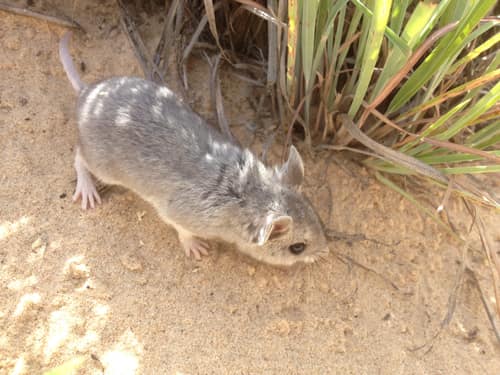
Predator (c) Logan Ediger, some rights reserved (CC BY), uploaded by Logan Ediger · cc-by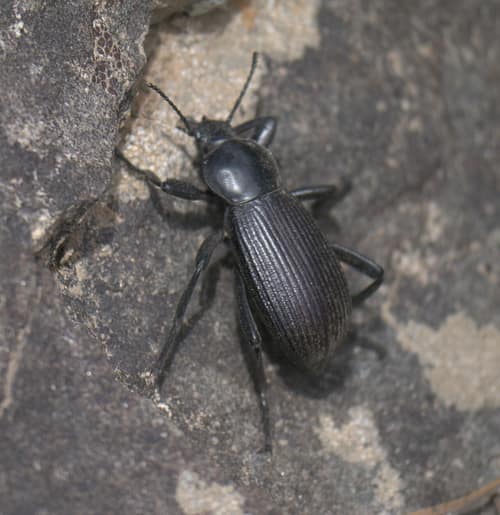
Close Relative xpda / CC BY-SA 4.0 · cc-by-sa
Help improve the field guideSomething wrong?
Checking your Fauna account…Report a name, category, or profile issue for review.