
Species
Dimetrodon navajovicus
Dimetrodon navajovicusAlso known as Navajo Ophiacodont
Ophiacodon navajovicus prowled low-lying swamplands and river margins during the Early Permian, using its elongated jaws and needle-like teeth to snatch aquatic prey. Unlike later synapsids that developed prominent dorsal sails, it possessed a relatively low neural ridge and a heavily built, streamlined skull adapted for wetland hunting. Its skeletal proportions suggest an amphibious ambush lifestyle, filling an ecological niche comparable to modern semiaquatic reptiles.
CarnivorousPrehistoricSynapsid
—observations
—countries
—peak records
ExtinctConservation statusIUCN Red List categoriesLCNTVUENCREWEXExtinctRed List categories, explained →
Diet & preyPalaeoniscoid fish, Amphibians, Small freshwater invertebrates
Predators
- Sphenacodontids
- Dimetrodon limbatus
- Xenacanth sharks
ThreatsGradual climate aridification and environmental shifts during the Early Permian
HabitatsPermian floodplains, riparian swamps, and shallow lakes
Life span15–25 years (estimated)
Classification
- FamilyOphiacodontidae
- SpeciesDimetrodon navajovicus
Range data is not available yet.
Interaction riskLow
- Low
- Moderate
- High
- Very high
- Why interaction risk is low
- Extinct fossil species; safe to observe in museum and research collections.
Responsible observation
- Museum Viewing: Examine fossilized skulls in natural history collections to view the specialized fish-catching dentition.
- Fossil Etiquette: Never remove suspected vertebrate fossil material from federal or protected public lands without permits.
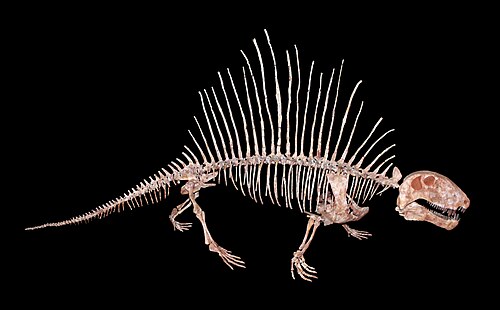
Competitor H. Zell / CC BY-SA 3.0 · cc-by-sa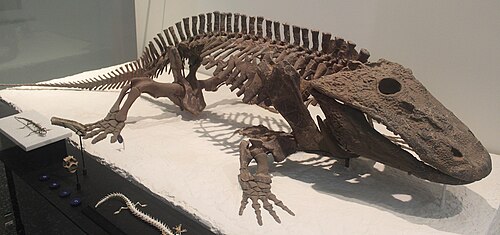
Neighbor jonathan Chen / CC BY-SA 4.0 · cc-by-sa Image unavailable
Prey 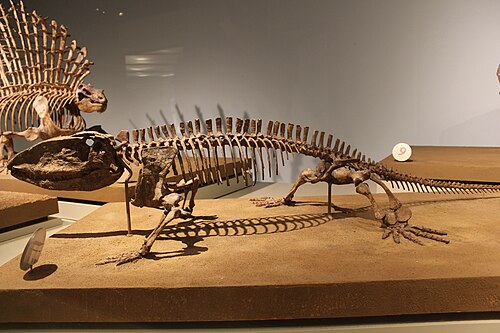
Close Relative Jonathan Chen / CC BY-SA 4.0 · cc-by-sa
Help improve the field guideSomething wrong?
Checking your Fauna account…Report a name, category, or profile issue for review.