
Reptile
Anteosaurus magnificus
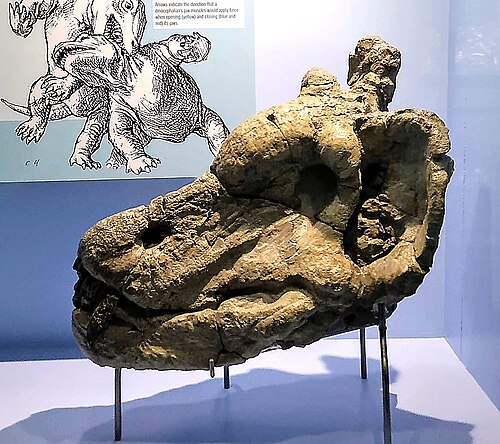
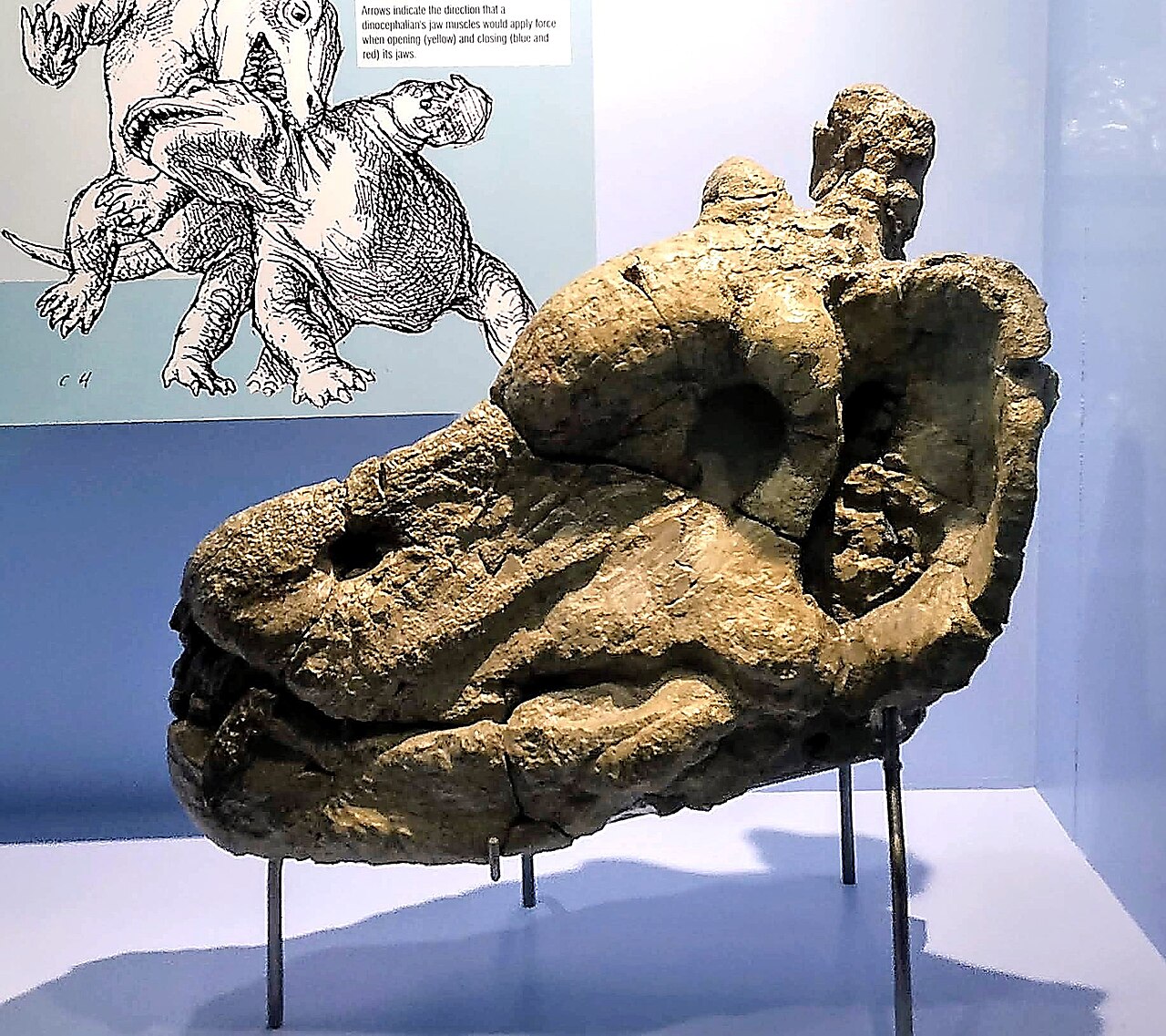
Anteosaurus magnificusAnteosaurus magnificus dominated Middle Permian floodplains as an agile apex predator equipped with thickened cranial bones likely used for head-pushing or grappling. Neurosensory reconstructions reveal well-developed inner ears and coordination centers, indicating it was an active hunter capable of tracking and ambushing massive prey. As the largest carnivorous non-mammalian synapsid known, it sat at the pinnacle of ancient terrestrial food webs before vanishing during the end-Guadalupian extinction event.
CarnivorePrehistoricApex Predator
—observations
—countries
—peak records
ExtinctConservation statusIUCN Red List categoriesLCNTVUENCREWEXExtinctRed List categories, explained →
Diet & preyMoschops capensis, Bradysaurus baini, Tapinocephalus atherstonei
ThreatsVolcanic climate disruption and ecological turnover during the end-Guadalupian extinction
HabitatsPermian semi-arid floodplains and river basins
Life span20–40 years (estimated)
Classification
- FamilyAnteosauridae
- GenusAnteosaurus
- SpeciesAnteosaurus magnificus
Range data is not available yet.
Interaction riskHigh
- Low
- Moderate
- High
- Very high
- Why interaction risk is high
- Extinct species known only from fossil remains; safe to observe in museum collections.
Responsible observation
- Museum Study: Examine skull casts in paleontological exhibits to observe the reinforced bone over the eyes and snout.
- Fossil Ethics: Leave exposed vertebrate remains in situ within protected formations like the Karoo Basin and report them to authorities.
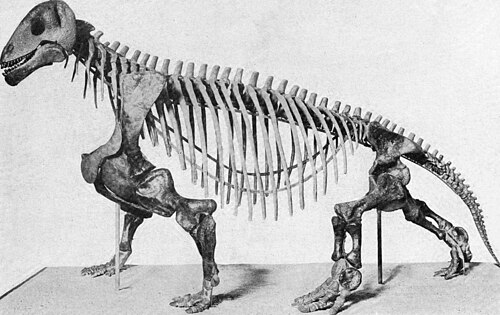
Prey William King Gregory, American Museum of Natural History / Public domain · cc0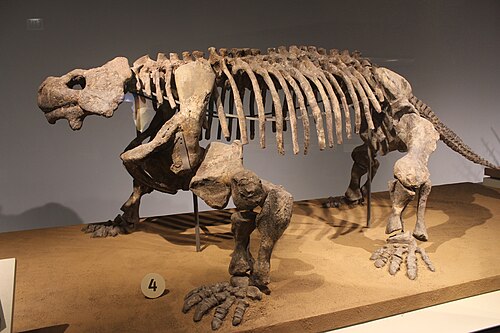
Prey Jonathan Chen / CC BY-SA 4.0 · cc-by-sa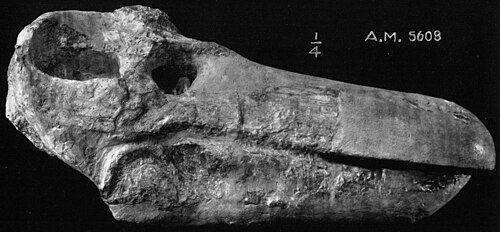
Competitor Boonstra, Lieuwe Dirk. Broom, Robert, 1866-1951. / Public domain · cc0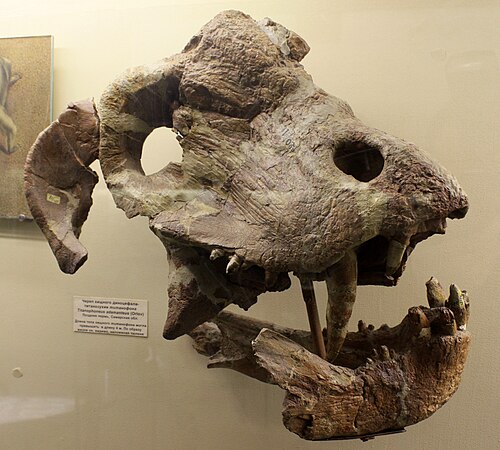
Close Relative Pavel Bochkov from Moscow, Russia / CC BY-SA 2.0 · cc-by-sa
Help improve the field guideSomething wrong?
Checking your Fauna account…Report a name, category, or profile issue for review.