
Plant · GBIF taxon 9396703
Big Sagebrush
Artemisia tridentataAlso known as Great Basin Sagebrush, Common Sagebrush, Basin Big Sagebrush
Dominating the vast intermountain basins of western North America, big sagebrush shapes entire arid ecosystems with its pungent, evergreen foliage and deep taproot system. Its wedge-shaped leaves feature three characteristic blunt lobes at the tip and release a sharp, camphoraceous scent when crushed. During harsh winters, these tough shrubs provide crucial shelter and year-round nutrition for specialized desert wildlife.
AromaticShrubArid Ecosystems
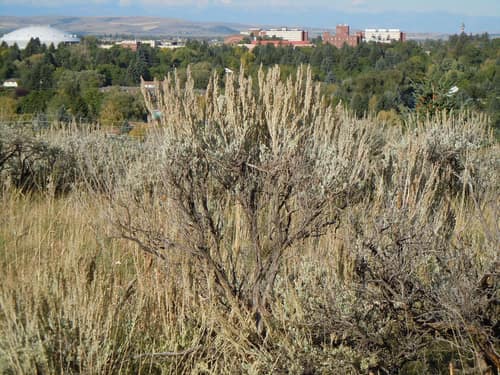
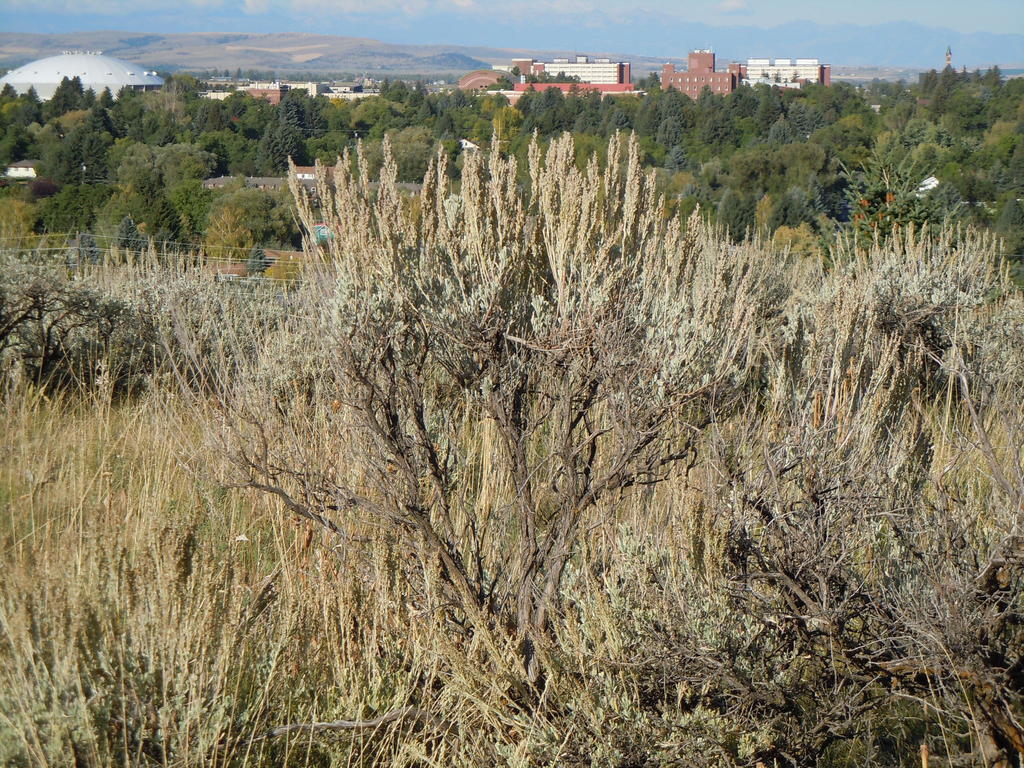
—observations
—countries
—peak records
Least ConcernConservation statusIUCN Red List categoriesLCNTVUENCREWEXLeast ConcernRed List categories, explained →
Diet & prey
- Autotrophic (Photosynthesis)
Predators
- Greater Sage-Grouse
- Mule Deer
- Pronghorn
ThreatsSevere wildfires, invasive cheatgrass, land clearing, overgrazing
HabitatsArid steppe, dry shrublands, deserts, mountain slopes
Life span40–100+ years
Size / weightNot available
Classification
- OrderAsterales
- FamilyAsteraceae
- GenusArtemisia
- SpeciesArtemisia tridentata
Range data is not available yet.
Interaction riskLow
- Low
- Moderate
- High
- Very high
- Why interaction risk is low
- Safe to observe at a normal distance.
- What to notice
- Recognized by silvery gray foliage with three-lobed leaf tips and gnarled, woody trunks.
- Support conservation
- Avoid trampling young plants and stay on established trails in fragile sagebrush steppe.
Responsible observation
- Scent Identification: Gently crush a leaf between fingers to release its sharp, camphor-like scent.
- Foliage Inspection: Look closely at the leaf tips for the three distinct wedge-like lobes.
- Seasonal Observation: Watch for tiny, yellow flower heads blooming in late summer through autumn.
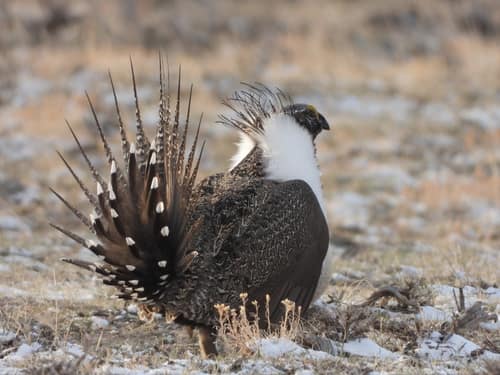
Obligate Symbiont (c) Jared Shorma, some rights reserved (CC BY), uploaded by Jared Shorma · cc-by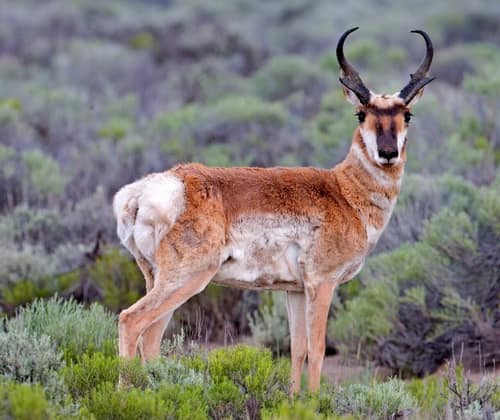
Herbivore www.naturespicsonline.com / CC BY-SA 3.0 · cc-by-sa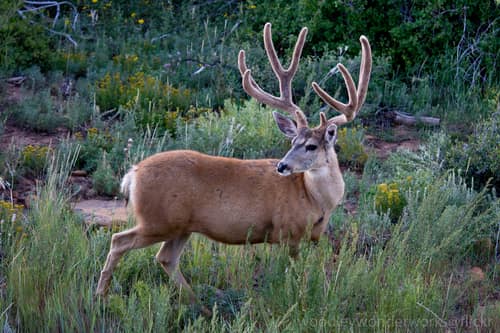
Herbivore "ten point mule deer buck" by woodleywonderworks is licensed under CC BY 2.0. To view a copy of this license, visit https://creativecommons.org/licenses/by/2.0/. · cc-by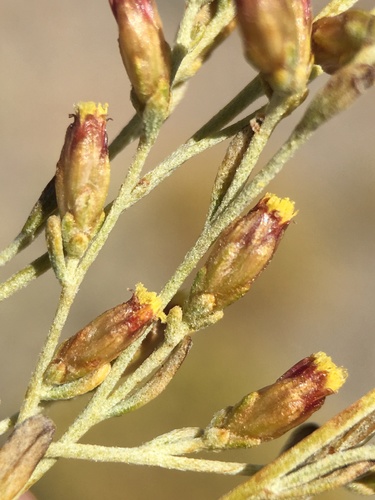
Close Relative (c) Matt Berger, some rights reserved (CC BY), uploaded by Matt Berger · cc-by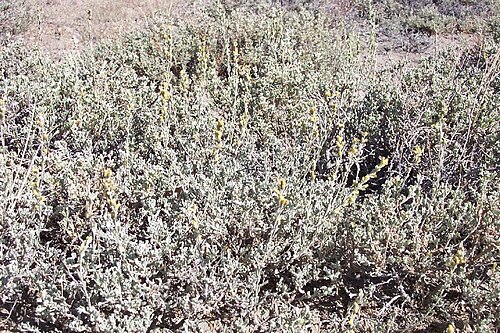
Close Relative Unknown authorUnknown author / Public domain · cc0
Help improve the field guideSomething wrong?
Checking your Fauna account…Report a name, category, or profile issue for review.