
Invertebrate
Colorful Cherry Millipede
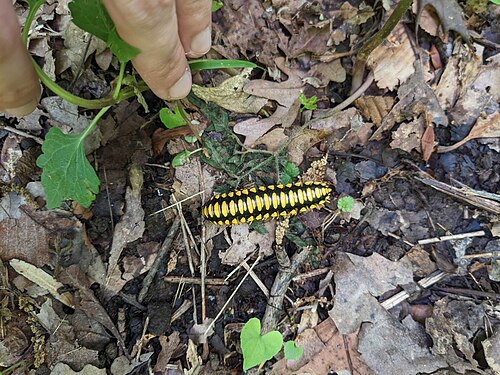
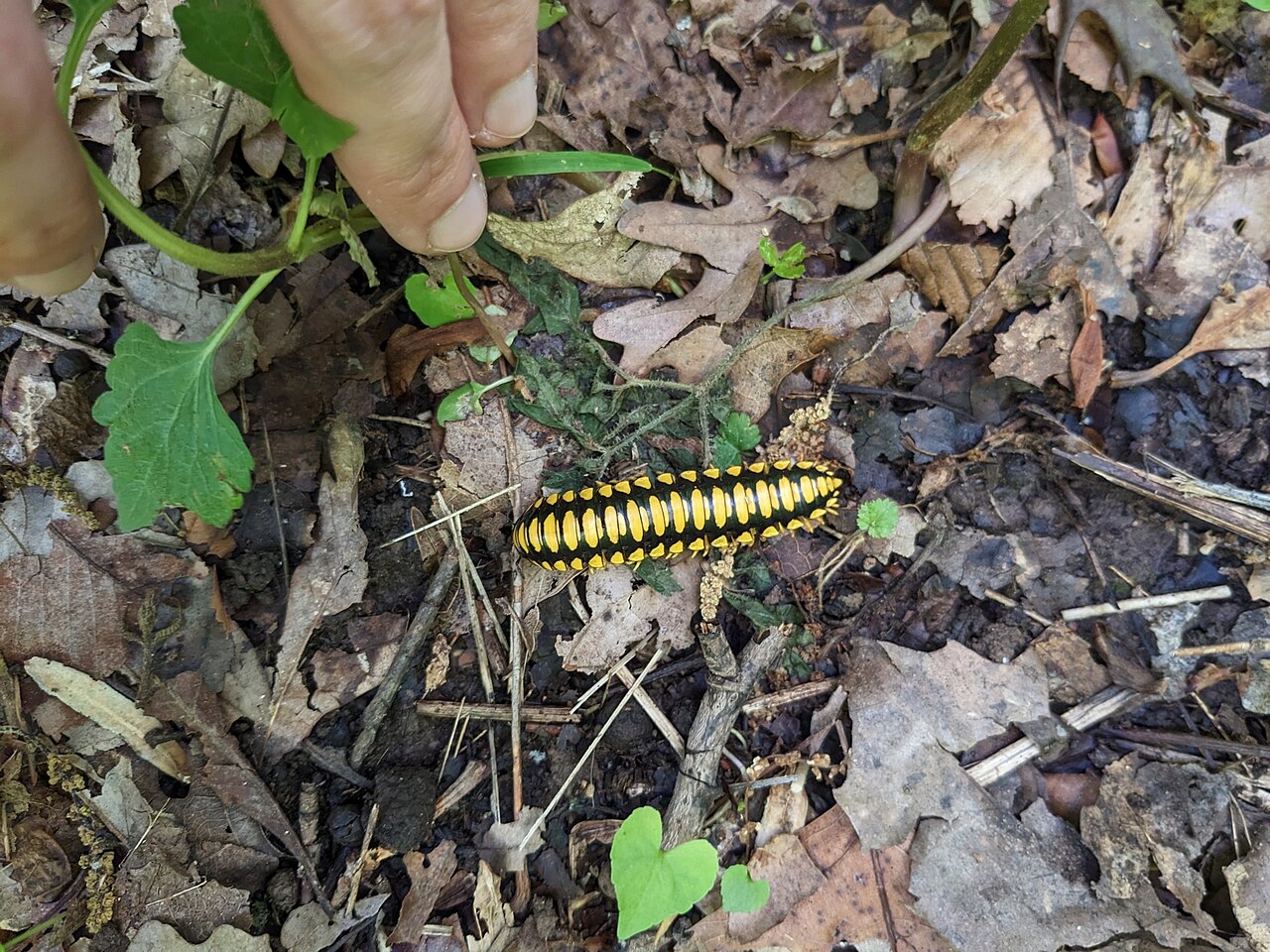
Apheloria polychromaThese striking invertebrates patrol damp Appalachian forest floors, recycling fallen foliage into nutrient-rich humus. Across their range, populations exhibit an astonishing diversity of contrasting color morphs that advertise chemical defenses to curious forest birds and small mammals. When alarmed, defensive glands emit benzaldehyde and hydrogen cyanide, producing a distinctive almond or maraschino cherry aroma.
AposematicForest DwellerDecomposer
—observations
—countries
—peak records
Not EvaluatedConservation statusIUCN Red List categoriesLCNTVUENCREWEXNot Evaluated — not placed on the risk ladderRed List categories, explained →
Diet & preyDecaying Leaves, Rotting Wood, Fungi
Predators
- Glowworm Beetle Larvae
- Ground Beetles
- Shrews
ThreatsHabitat fragmentation, deforestation, and soil drying
HabitatsMoist deciduous forests, ravines, and leaf litter
Life span2–3 years
Classification
- FamilyXystodesmidae
- SpeciesApheloria polychroma
Range data is not available yet.
Interaction riskHigh
- Low
- Moderate
- High
- Very high
- Why interaction risk is high
- Secretes defensive hydrogen cyanide compounds that irritate skin and eyes; observe without touching.
- Why it is dangerous
- Defensive ozopores release hydrogen cyanide and benzaldehyde, which cause localized dermatitis, burning, and severe eye irritation.
- How to recognize a risky encounter
- Look for a flattened, segmented body bordered with vivid red, orange, or bright yellow warning patches.
- What to do
- Observe without direct contact, and wash skin thoroughly with soap and water if exposed to secretions.
Responsible observation
- Searching: Look beneath decaying hardwood logs and damp leaf litter after warm summer rains.
- Safety: Avoid picking up these millipedes, as their chemical secretions can cause skin blisters and eye irritation.
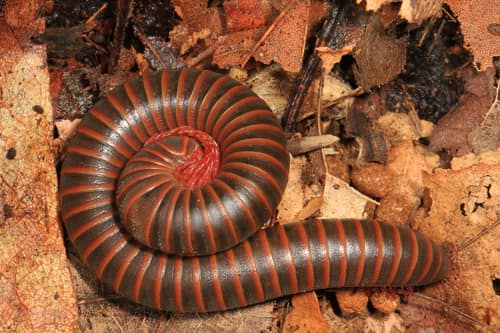
Neighbor (c) Judy Gallagher, some rights reserved (CC BY) · cc-by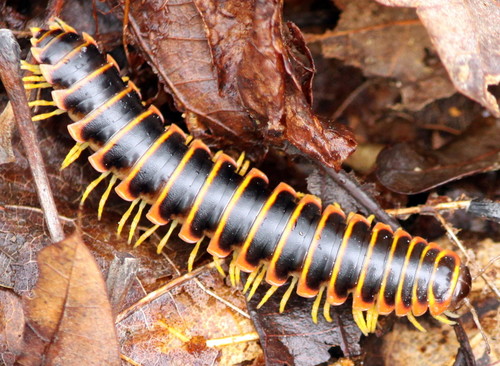
Close Relative (c) Kathy Richardson, some rights reserved (CC BY), uploaded by Kathy Richardson · cc-by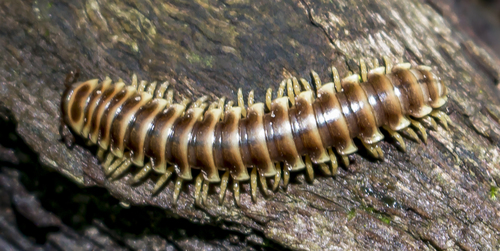
Same Family (c) aarongunnar, some rights reserved (CC BY), uploaded by aarongunnar · cc-by
Help improve the field guideSomething wrong?
Checking your Fauna account…Report a name, category, or profile issue for review.